We are ready to assist you at any time.
- +8615303823193
- [email protected]
- LONKIA Industrial Park, Zhucheng, Shandong, China

Retort machines are essential equipment for commercial food sterilization, ensuring long shelf life and product safety. Whether you are looking for price insights, maintenance tips, or the latest innovations, our curated articles provide practical knowledge to help food manufacturers choose and operate the right sterilization solution.

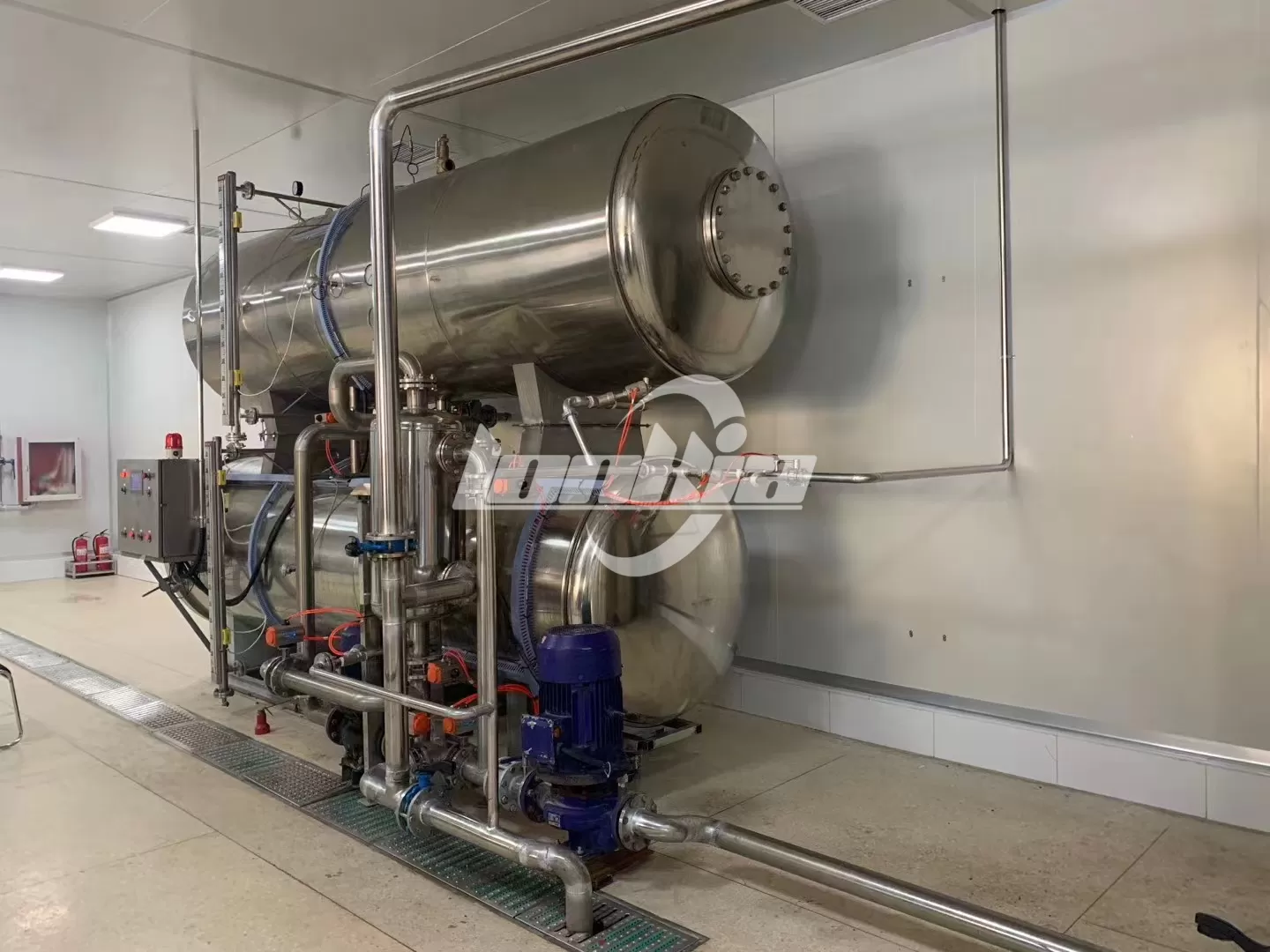
In the complex world of modern food manufacturing, ensuring product safety while maintaining nutritional value and flavor is the ultimate balancing act. If you are exploring how shelf-stable foods—such as canned vegetables, ready-to-eat meals in pouches, and bottled beverages—can sit safely on supermarket shelves for years without refrigeration, the answer lies in one critical piece of thermal processing equipment.But what is an autoclave precisely, and how does it function within the strict parameters of…
Learn More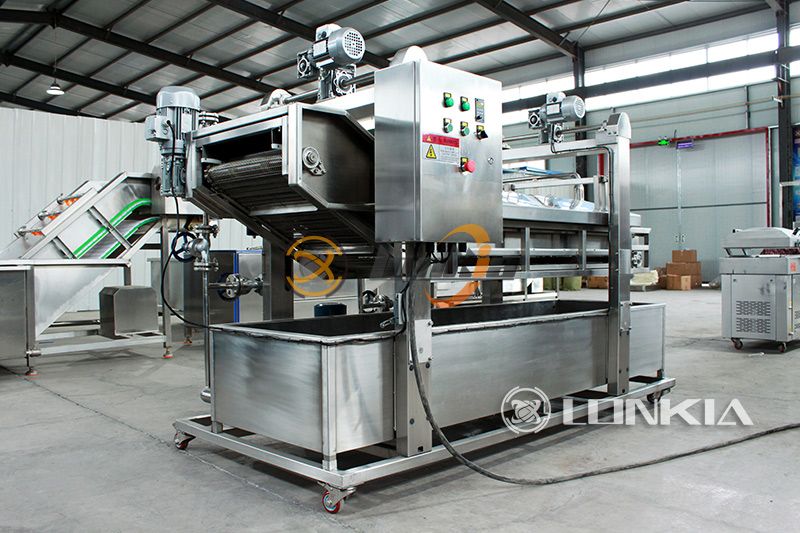
Food sterilization is one of the most essential processes in modern food production, ensuring safety, extending shelf life, and maintaining quality. As consumer expectations evolve and global food logistics become more complex, the technologies behind food sterilization are advancing rapidly. In 2026, the industry continues to lean toward methods that are faster, more energy-efficient, and better at preserving nutrients and taste.This article explores the top 5 food sterilization technologies making the…
Learn More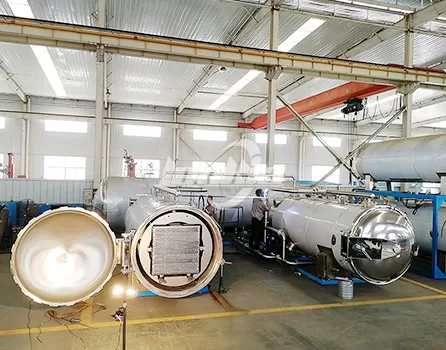
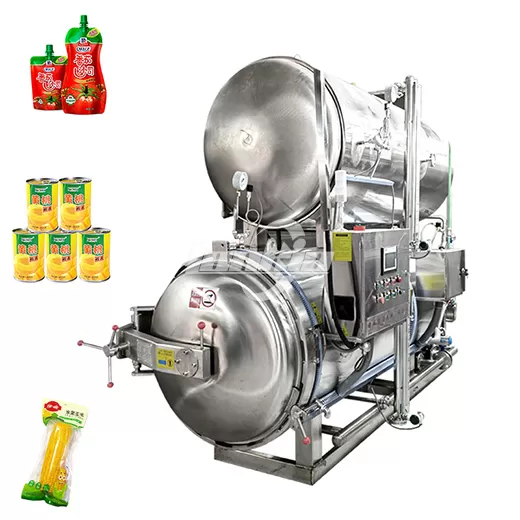
A commercial autoclave is an industrial-grade pressure vessel designed to sterilize food products that are sealed in containers—such as cans, pouches, glass jars, or plastic trays—through controlled exposure to pressurized steam or hot water. Unlike laboratory autoclaves, which are typically small units for sterilizing instruments, commercial versions handle large-scale production loads and operate under precisely regulated temperature and pressure conditions. Their main objective is to destroy all…
Learn More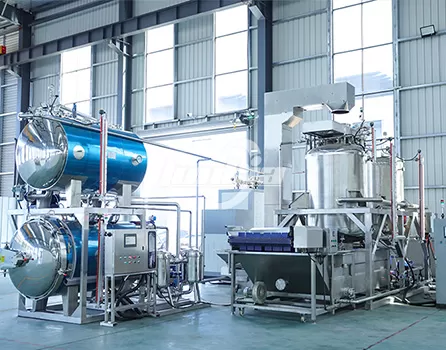
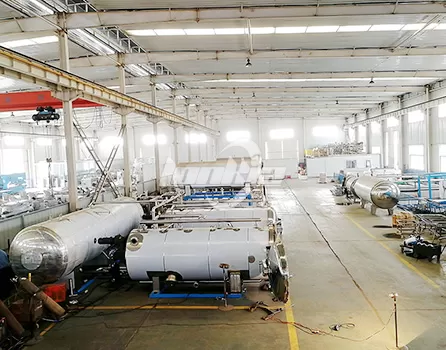
In modern food processing, the retort machine—also known as a food sterilizer or autoclave—plays a critical role in ensuring product safety, consistency, and long shelf life. However, when it comes to purchasing one, choosing the right retort manufacturer can be the difference between a reliable, efficient production line and a costly, unpredictable operation.Many factories focus only on equipment price or delivery time when sourcing retorts, but neglect to assess key aspects such as heat distribution…
Learn More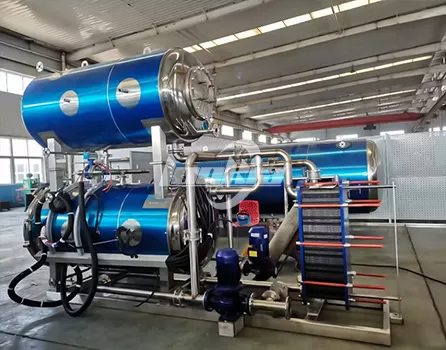
In the food industry, retort machines are the backbone of commercial sterilization, ensuring products remain safe, shelf-stable, and high in quality. Whether processing canned vegetables, ready-to-eat meals, or dairy-based products, consistent sterilization is critical. However, achieving this reliability depends on more than just buying the right machine—it requires a proactive maintenance strategy.Neglecting routine care can lead to costly downtime, reduced product safety, and even compliance risks. On…
Learn More
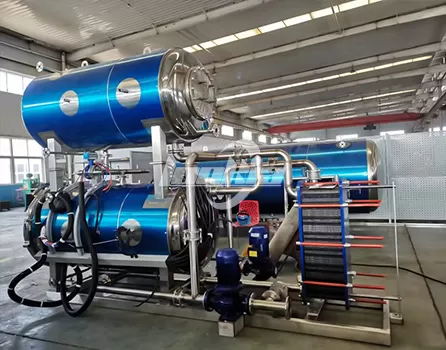
In today’s highly competitive food industry, ensuring product safety and extended shelf life is no longer optional—it is a necessity. Consumers demand convenient, ready-to-eat, and packaged foods that are not only tasty but also safe to consume over a longer period. At the same time, food manufacturers face strict international regulations, rising distribution distances, and an urgent need to minimize food waste.This is where commercial sterilization comes into play. As a core technology in modern food…
Learn More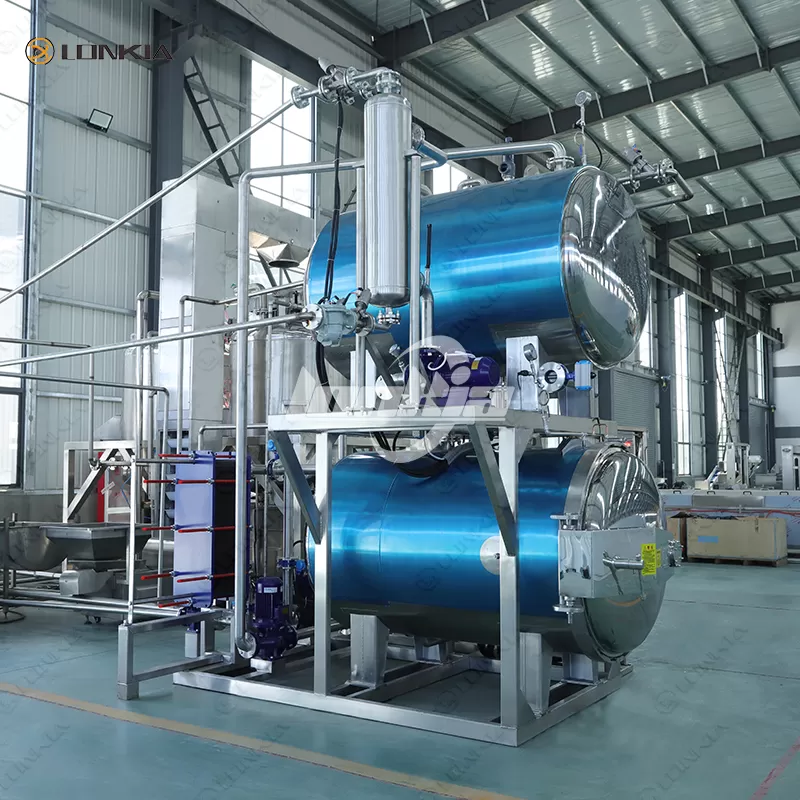
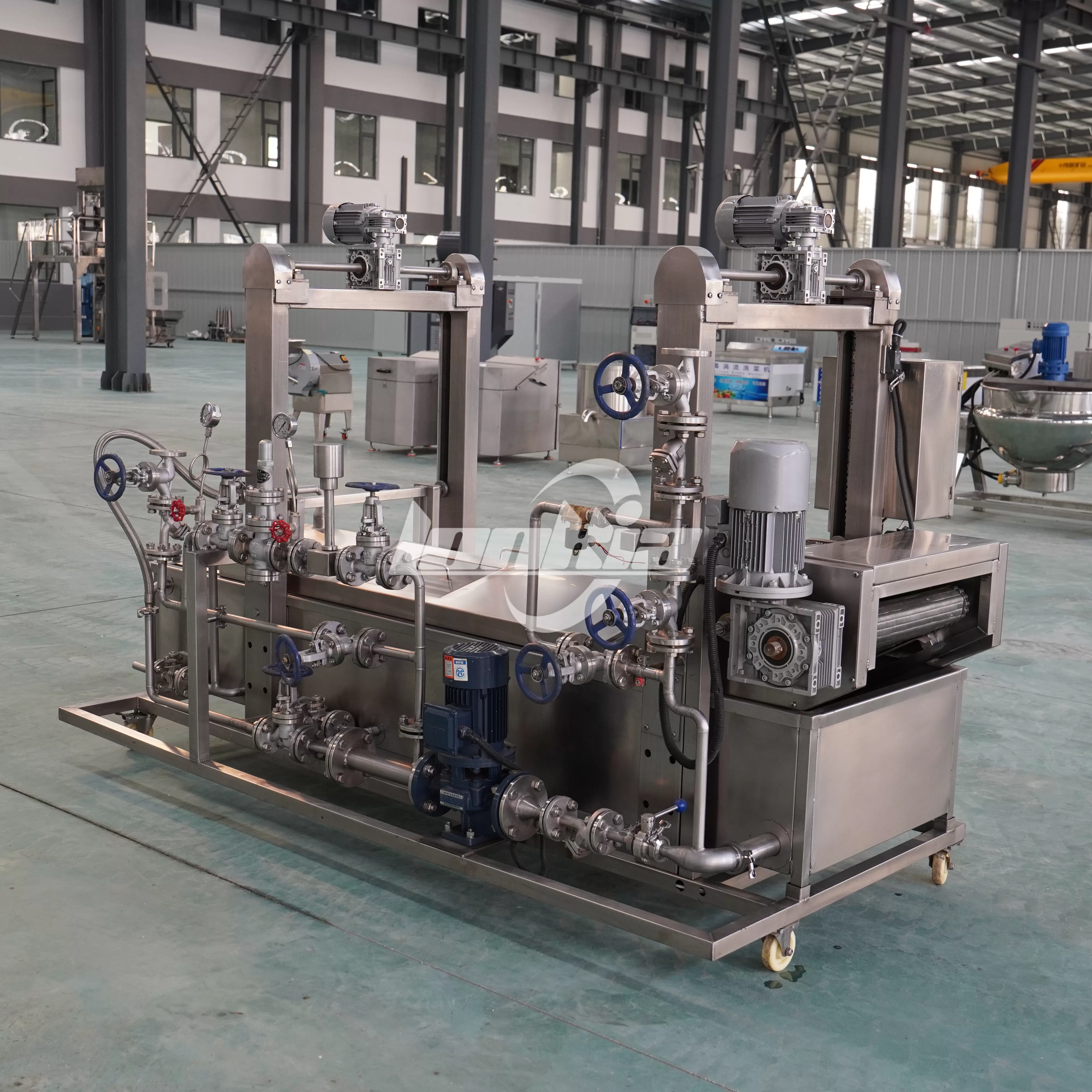
What sets retort apart is its ability to sterilize sealed food packages using high heat and pressure, destroying even the most heat-resistant pathogens like Clostridium botulinum. Unlike refrigeration or freezing, it doesn’t require a cold chain, making it ideal for export, disaster relief, military rations, and consumer convenience.
Learn More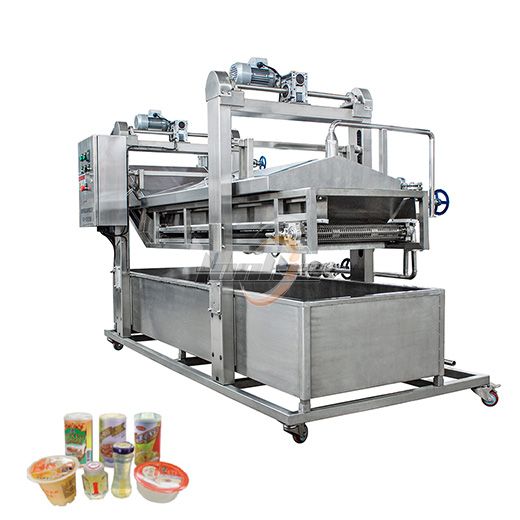
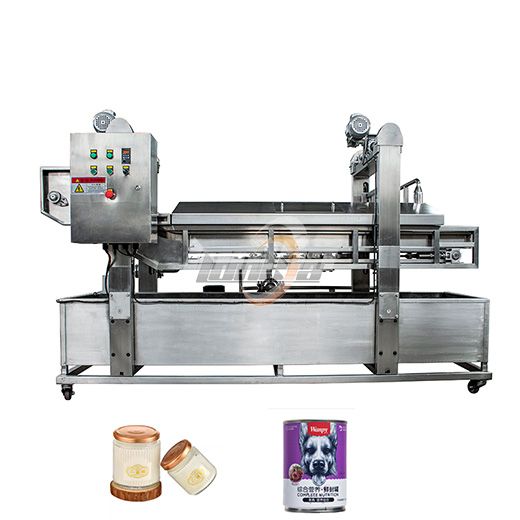
In the world of food and beverage processing, safety, efficiency, and product quality are non-negotiable. Among the many technologies that ensure these standards, the HTST pasteurizer stands out as one of the most reliable and widely used solutions. HTST stands for High-Temperature Short-Time pasteurization—a process designed to kill pathogens quickly without compromising the taste, texture, or nutritional value of the product.What Is an HTST Pasteurizer?An HTST pasteurizer is a continuous processing…
Learn More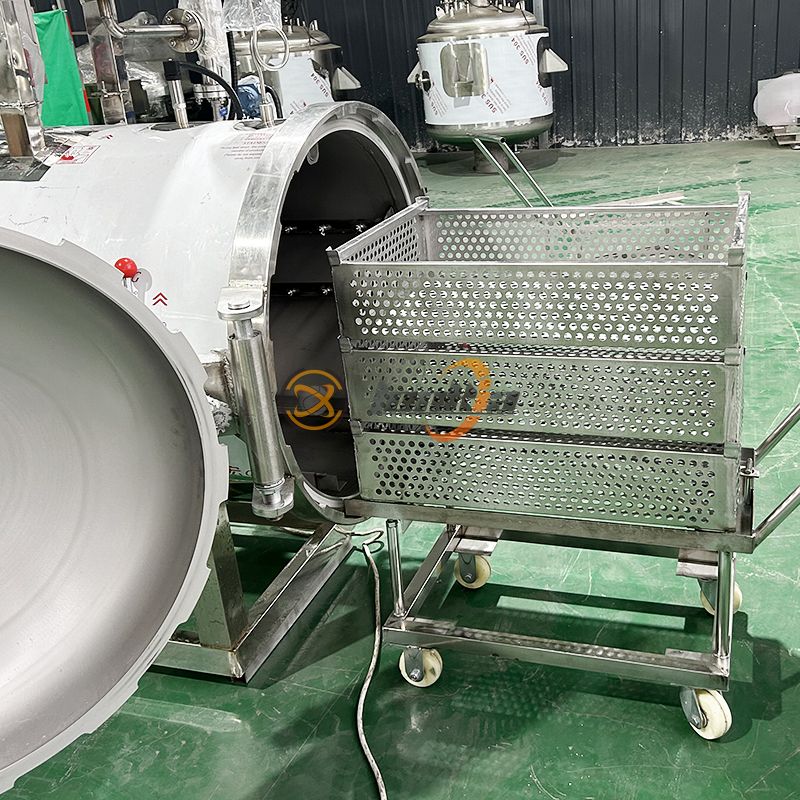
If you work in food processing, pharmaceuticals, or packaging, you’ve likely heard both terms: retort machine and food autoclave. While these devices are often discussed separately, their functions overlap so closely that many professionals use the names interchangeably. Let’s break down their similarities, subtle differences, and why choosing the right terminology matters for your operations.1. Definitions: Retort Machine vs. Food AutoclaveRetort Machine: A pressurized vessel that uses steam and high…
Learn More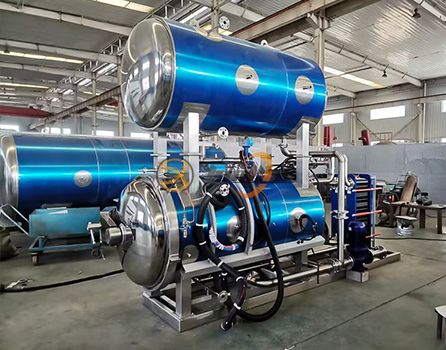
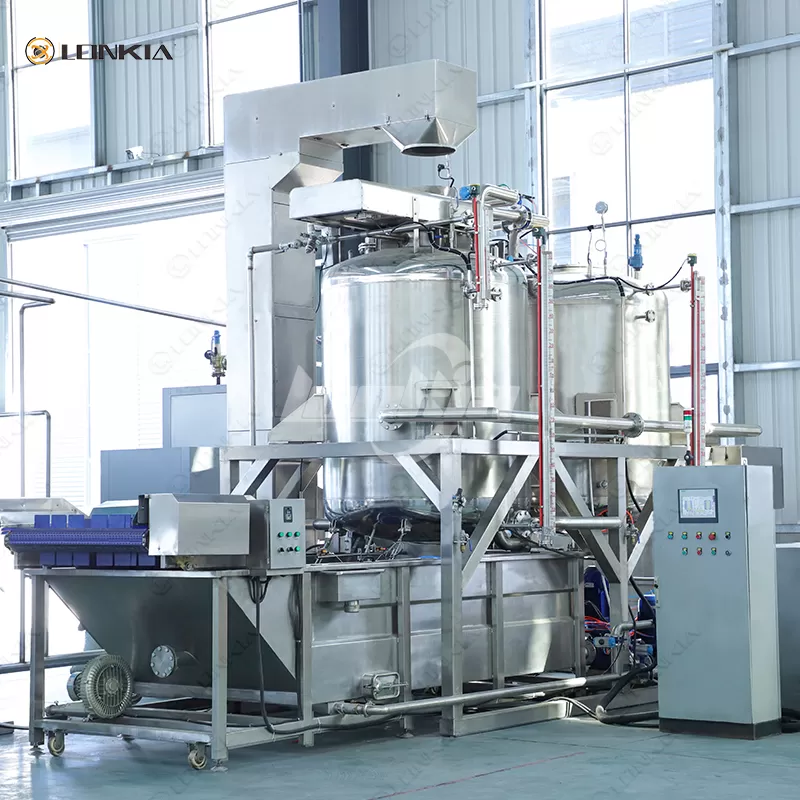
When it comes to ensuring food safety and extending shelf life without compromising quality, the retort machine has proven to be a true game-changer. Whether you're a food manufacturer scaling up production or a startup looking to enter the ready-to-eat market, understanding how a retort machine works—and why it matters—can help you make smarter business decisions.What Is a Retort Machine?At its core, a retort machine is a thermal processing system used to sterilize food products after they’ve been…
Learn More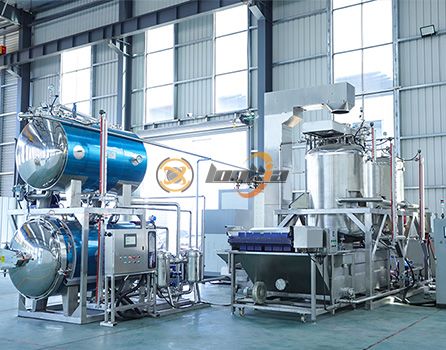
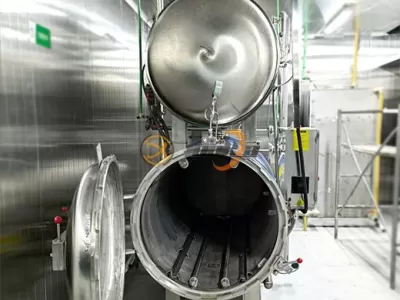
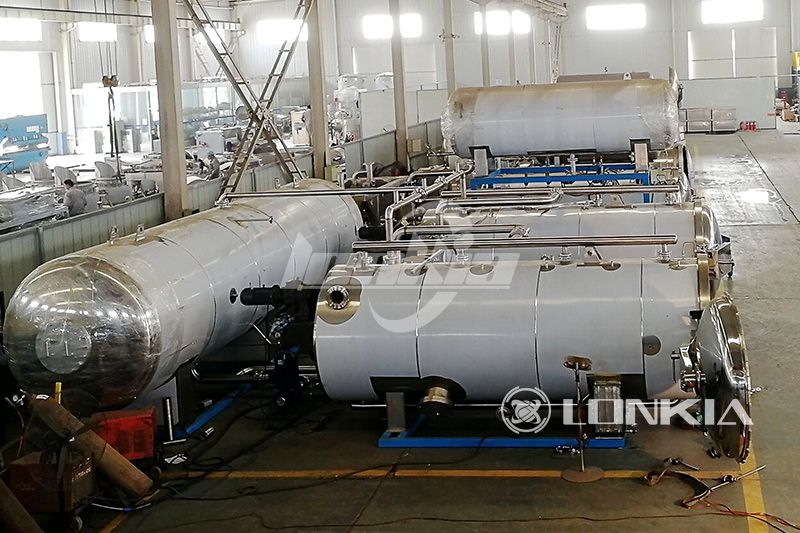
In a world that demands both convenience and safety in food production, retort food technology stands as one of the most impactful innovations in the industry. From military rations to ready-to-eat supermarket meals, this thermal processing method is used globally to extend shelf life, preserve flavor, and ensure food safety—all without relying on refrigeration. Whether you’re a food manufacturer, supply chain expert, or simply a curious consumer, understanding how retort food technology works provides…
Learn More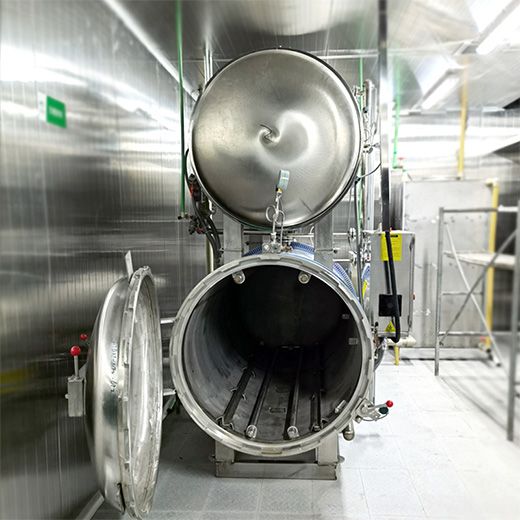
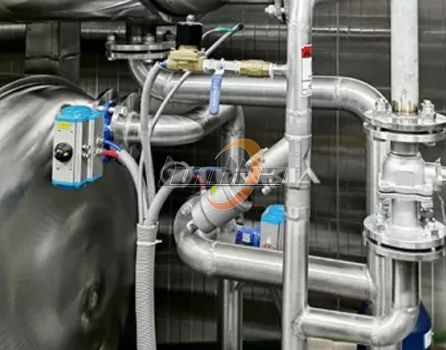
When it comes to food safety, shelf-life extension, and large-scale production, few technologies are as vital as the process retort. Used in both industrial and commercial food processing, a process retort is a pressure vessel designed to sterilize food products after they have been sealed in containers—whether those containers are metal cans, glass jars, or retort pouches. This method is also known as thermal processing or retort sterilization and is essential in ensuring that ready-to-eat foods remain…
Learn More
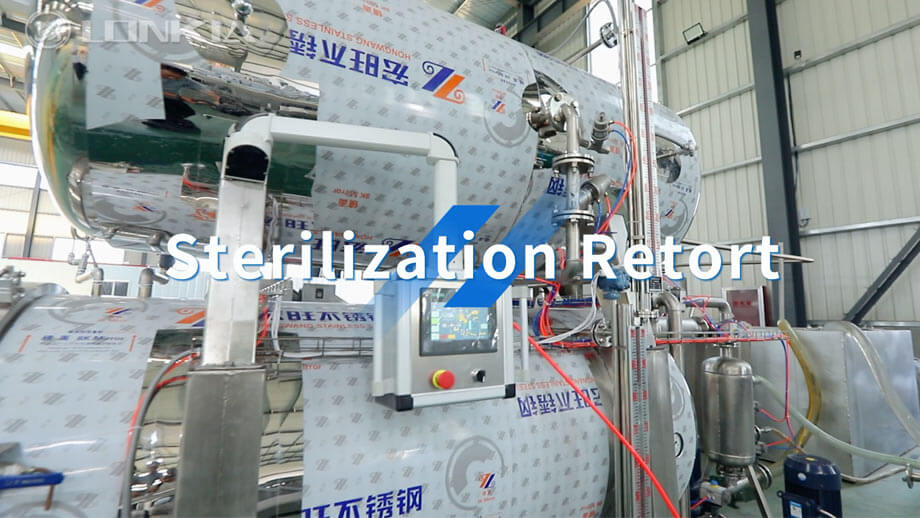
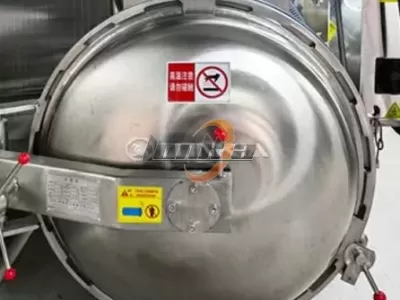
Steam retort machimery adopts steam sterilization process and uses a membrane valve to control the injection of steam from the bottom to exhaust the air in the retort, so that there is no sterilization cold spot in the retort, and the temperature and pressure in the retort are precisely controlled.Suitable for tinplate canned products, luncheon meat cans, pet cans, aluminum foil bags, tin cans, aluminum cans, aluminum bottles, plastic bottles, cups, boxes, trays, soft packaging bags, ligature sleeve…
Learn More