
In the snack food aisle, few products evoke as much loyalty and love as kettle-cooked chips. These golden, crispy, and flavor-packed snacks have carved a distinct niche in the hearts (and stomachs) of consumers across the globe. But why? What exactly makes kettle chips so popular?
While their signature crunch is an obvious factor, the answer goes beyond taste. It involves craft production, clever marketing, evolving consumer preferences, and advanced Potato chips production line food processing technologies.
What Are Kettle Chips? How Are They Different?
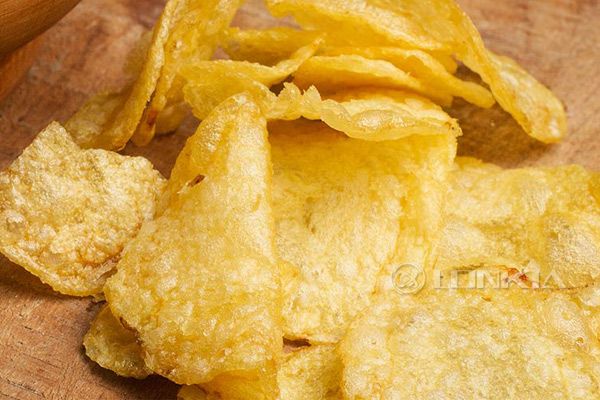
Kettle chips are a type of potato chip known for their thicker texture and extra crunch. Unlike traditional potato chips, which are made using a continuous frying process, kettle chips are produced using a batch frying method. In this process, smaller batches of sliced potatoes are fried in hot oil, typically for longer durations and at varying temperatures.
Key Differences:
Texture: Kettle chips are crunchier and denser.
Appearance: They often have a more rustic look with curled edges.
Taste: Kettle chips retain more potato flavor due to their thickness and cooking method.
Production method: Kettle cooking uses a non-continuous fryer, which affects the chip’s oil absorption and crispiness.
This production method harkens back to a time before fully automated production lines, and many brands play into this artisanal association as a selling point.
The Cooking Method Behind the Crunch
The signature crunch of kettle chips isn’t just a happy accident—it’s the result of a carefully controlled cooking process rooted in both tradition and science. At the heart of this process is batch frying, a method that contrasts sharply with the high-speed, continuous frying used for standard chips.
1.Understanding Batch Frying
In batch frying, a set quantity of sliced potatoes is submerged in hot oil and cooked for a longer, monitored duration. This method creates uneven thermal gradients, meaning the chips don’t all cook at exactly the same rate. The result? A distinctive texture where some chips are slightly browner or more curled than others—qualities consumers associate with authenticity and hand-crafted care.
This technique encourages:
Lower moisture retention: Chips become drier and crisper.
Non-uniformity in texture and color: Perceived by many as artisanal.
Layered crunch: From surface to center, each bite offers complexity.
2.Scientific Mechanisms at Play
Two key phenomena occur during the batch frying process:
Maillard Reaction
As the potato slices are heated, sugars and amino acids react to create complex flavor compounds and the golden-brown color typical of kettle chips. This process is intensified by the slightly longer cooking time.Gradual Moisture Evaporation
Unlike flash-frying in continuous systems, moisture leaves the potato more slowly in batch fryers. This slow dehydration builds a thicker crust and deeper crunch, while also reducing the chip’s oil uptake in some cases.
3.Controlled Inconsistency = Market Advantage
Interestingly, what might be seen as a flaw in a conventional mass-production system—slight variation between individual chips—is exactly what makes kettle chips appealing. The textural diversity enhances the sensory experience and gives consumers a break from the monotony of uniform snacks. This is particularly important in premium markets, where buyers are seeking uniqueness and a "real food" feel.
Moreover, the batch process allows for better control of oil degradation, since smaller quantities mean easier filtering and management. Many modern operations implement real-time oil quality monitoring and heat recovery systems to optimize the process while maintaining flavor integrity.
4.Is It Scalable?
Absolutely. While batch frying might sound small-scale, modern food processing lines are equipped with automated batch fryers that can manage multiple loads simultaneously with programmable temperature and timing settings. This brings the best of both worlds: artisanal quality at industrial scale.
Consumer Preferences and Perceived Quality
Today’s consumers aren’t just buying snacks—they’re buying experiences. Kettle chips appeal to the premium snack category, which continues to grow thanks to changing dietary preferences, ingredient awareness, and increased snacking occasions.
The Appeal of Kettle Chips
Authenticity: Rustic, small-batch feel
Healthier image: Fewer additives, thicker slices, often cooked in sunflower or avocado oil
Premium branding: Packaging and storytelling emphasize quality
Bolder flavors: Gourmet options like sea salt & vinegar, black truffle, jalapeño cheddar, and rosemary garlic
Even if kettle chips aren’t objectively healthier, the perception of authenticity and naturalness drives repeat purchases. Market data suggests that customers are willing to pay more for snacks that feel less industrial and more personalized.
How Kettle Chips Are Made in Modern Food Processing Plants
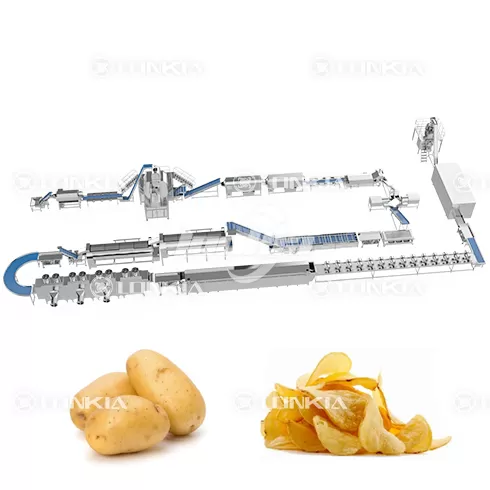
While kettle chips may seem artisanal, their production at scale requires precision, consistency, and hygiene. Modern facilities use industrial-grade equipment to replicate small-batch cooking with speed and accuracy.
Essential Machines:
Batch Fryers: For controlled cooking and signature crunch
Oil Filtration Systems: To maintain oil quality and reduce waste
De-oiling Machines: For removing excess oil, improving shelf life and taste
Flavoring Drums: To evenly coat chips with spices or natural flavorings
Conveying Systems: For efficient product transfer while minimizing breakage
Automation and control systems ensure every batch meets safety and quality standards. Data loggers and sensors are now embedded in newer models to track frying temperature and duration, helping improve yield and consistency.
The Global Popularity of Kettle Chips
Kettle chips aren’t just an American phenomenon—they’re now globally recognized, thanks to international branding and consumer education. According to market research firm Grand View Research, the global potato chips market is expected to surpass USD 50 billion by 2030, with kettle chips representing a growing share of that market.
Growth Drivers:
Increased health awareness leading to preference for thicker, less processed snacks
Innovation in regional flavors and clean-label ingredients
Better shelf presentation and premium packaging
Successful brands localize their product offerings: wasabi kettle chips in Japan, masala-flavored chips in India, or sea salt and balsamic vinegar in the UK.
Expert Tips for a Smooth Expansion
If you're looking to enter or expand in the kettle chip market, here are some industry-backed tips:
1. Know Your Potato
Not all potatoes are created equal. Choose varieties with lower sugar and higher starch content for better frying results.
2. Oil Management Is Crucial
Poor oil quality leads to off-flavors and shortens shelf life. Regular oil filtering and monitoring is essential for consistent product taste.
3. Flavor Matters
Consumers are looking for bold, clean, and innovative flavors. Invest in seasoning equipment that ensures even coverage without overwhelming the base chip flavor.
4. Plan for Flexibility
Demand fluctuates. Design your production line with modularity so you can scale up or switch SKUs with minimal downtime.
Kettle chips aren’t just a fad—they’re the result of culinary tradition fused with modern engineering. Their popularity reflects today’s consumer desire for bold textures, authentic production, and snack innovation. Behind every crunch is a carefully controlled process—and the right equipment makes all the difference.
Manufacturers that combine traditional methods with cutting-edge equipment will continue to win in the premium snack category.
FAQs
Q: Are kettle chips healthier than regular chips?
A: Not necessarily. While they’re often perceived as healthier, kettle chips still contain oil and salt. However, their thicker cut may absorb slightly less oil and contain fewer surface additives.
Q: What kind of equipment is used to make kettle chips?
A: Key machines include batch fryers, de-oiling systems, flavoring drums, and oil filtration systems. Lonkia offers complete turnkey solutions.
Q: Can kettle chip production be automated?
A: Yes. While the method is traditionally batch-based, automation helps standardize output and maintain consistent quality at scale. Lonkia’s systems include automation-friendly designs.
Q: What’s the ROI of investing in high-end fryer systems?
A: While initial costs are higher, benefits include reduced waste, higher output, better oil usage, and consistent product quality—all contributing to a faster return on investment.
Q: Can I produce multiple chip flavors on the same line?
A: Yes. Modular flavoring and packaging systems allow for efficient SKU changes without long changeover times.
Interested in starting or scaling your kettle chip production? Explore our fryer solutions here or speak with a product specialist today.