
In the complex ecosystem of modern food processing, pharmaceutical logistics, and industrial manufacturing, the automated pallet washing machine is often the unsung hero. It operates relentlessly in the background, ensuring that the lifeblood of your supply chain—the plastic pallet—is sanitized and ready for continuous circulation.
However, because these robust machines are designed to handle heavy debris, fats, and harsh chemicals day in and day out, they are frequently subjected to a dangerous "install it and forget it" mentality. When a pallet washer inevitably fails due to neglected maintenance, it creates an immediate and catastrophic bottleneck. Dirty pallets pile up, production lines are forced to halt, and shipping schedules are destroyed.
To maximize the lifespan of your equipment and protect your facility's bottom line, you must shift from reactive repairs to proactive care. Here are 7 highly technical, preventative maintenance (PM) tips to keep your industrial pallet washing machine running flawlessly and entirely eliminate unplanned downtime.
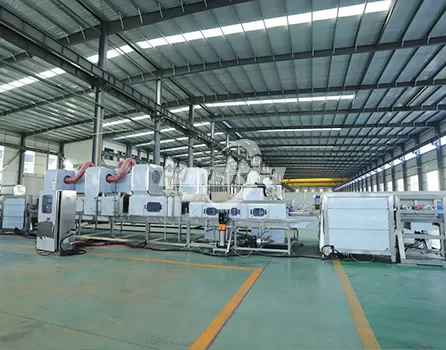
Tip 1: Daily Inspection and Cleaning of Filtration Screens
The most common cause of catastrophic failure in any industrial washing system is poor filtration management. The machine's primary job is to strip physical debris—wood splinters, plastic wrap remnants, label adhesives, and food solids—off the pallets. If the filtration system fails, that debris enters the delicate internal plumbing.
Preventing Pump Cavitation (The Ultimate Pump Killer)
When the main filter screens become blinded (clogged) with debris, water cannot flow freely back into the main holding tank. As the high-pressure wash pump continues to draw water, it creates a severe vacuum. This sudden drop in pressure causes the water inside the pump housing to vaporize into microscopic bubbles at room temperature—a phenomenon known as cavitation.
When these vapor bubbles are subjected to high pressure on the discharge side of the pump, they violently implode against the stainless steel pump impeller. Over a short period, cavitation will literally chew holes through solid metal, destroying a highly expensive pump motor.
Rotary Drum vs. Static Screens Maintenance
Static Drawer Screens: These must be physically pulled out and hosed down with a high-pressure wand at the end of every single shift. Never bang them against the floor to dislodge dirt, as warping the stainless steel frame will allow debris to bypass the filter entirely.
Automated Rotary Drum Filters: While self-cleaning, they still require human oversight. Maintenance techs must daily inspect the tension of the scraper blade against the drum. If the blade wears down, the microscopic mesh will permanently blind, leading to the cavitation risks mentioned above.
Tip 2: Unclogging and Aligning High-Pressure Nozzles
The chemical detergent and hot water in your wash tank are useless if they cannot be properly delivered to the surface of the pallet. The spray nozzles dictate the mechanical scrubbing action of the machine.
Identifying "Blind Spots" in the Wash Tunnel
Industrial pallets have incredibly complex geometries—deep honeycomb ribbing, tight corners, and interlocking runners. The nozzles inside the wash tunnel are mathematically aligned at specific angles to penetrate these hard-to-reach areas.
If just one nozzle is clogged with a piece of scale or a stray piece of plastic wrap, it creates a continuous "blind spot" throughout the entire tunnel. Every single pallet that passes through will have a specific stripe of unwashed, contaminated surface, virtually guaranteeing a failed hygiene audit. Furthermore, high-pressure water hitting an misaligned nozzle can slowly twist the spray bar out of position over time.
The Safe Way to Unclog Stainless Steel Nozzles
When a technician spots a clogged nozzle, the natural instinct is to shove a piece of hard steel wire or a drill bit into the orifice to clear it. Never do this. Industrial flat-fan or full-cone nozzles are precision-machined. Scratching the internal orifice with hardened steel will permanently distort the spray angle and ruin the water droplet size, rendering the nozzle useless.
The Correct Method: Completely unscrew the nozzle from the spray bar. Soak it in a mild acidic descaler or an ultrasonic heated bath to dissolve the blockage. If manual clearing is necessary, use only a soft brass probe or compressed air. Always verify the spray angle alignment (often indicated by a machined notch on the nozzle body) when reinstalling.
Tip 3: Descaling the Heating Elements and Heat Exchangers
Most pallet washing machines require water temperatures between 60°C and 80°C to activate alkaline detergents and achieve thermal sanitization. Achieving these temperatures requires immense energy, which is delivered via electric immersion heaters or steam heat exchangers.
The Impact of Scale on Thermal Efficiency
Depending on your municipality, the water feeding your facility likely contains dissolved calcium and magnesium (hard water). When hard water is heated, these minerals precipitate out of the liquid and bond to the hottest surfaces in the tank—specifically, the heating elements.
This white, chalky scale buildup acts as an incredible thermal insulator. If your electric heating elements are coated in just 3 millimeters of scale, they must work 25% to 30% harder to transfer the same amount of heat into the water. This not only causes your electricity or gas bills to skyrocket, but the insulated heating element will eventually overheat internally, causing the outer sheath to rupture and short-circuit the entire machine.
Implementing an Acidic Descaling Routine
To prevent this massive energy waste and hardware failure, you must implement a strict descaling protocol.
Once a month (or bi-weekly in extremely hard water areas), the machine should be drained of its standard alkaline detergent. The tanks must be refilled with clean water and a specialized, food-safe acidic descaling agent (typically phosphoric or nitric acid-based). The machine is then run empty for 30 to 60 minutes, allowing the heated acid to circulate through the pumps, piping, spray nozzles, and over the heating elements, dissolving all mineral deposits. Ensure the machine is thoroughly flushed with fresh water afterward to neutralize the pH before resuming normal operations.
Tip 4: Calibrating the Chemical Dosing System
Industrial pallet washers rely on a precise mixture of hot water and chemical detergents (usually heavy alkaline solutions) to break down fats and proteins. This mixture is controlled by an automated dosing system equipped with conductivity sensors (probes) submerged in the wash tank.
Cleaning the Conductivity Probes
As dirty pallets are washed, grease, proteins, and scale inevitably coat the stainless steel prongs of the conductivity probe. This coating acts as an insulator. When the probe is fouled, it incorrectly reads the chemical concentration in the water as being too low.
The system responds by commanding the dosing pump to continuously inject more expensive detergent into the tank. This not only wastes thousands of dollars in chemical costs over a month but also leads to excessive foaming, pump cavitation, and dangerous chemical residues left on the "clean" pallets.
The Fix: Maintenance personnel must wipe down the conductivity probes with a soft cloth and a mild acid solution daily to ensure accurate readings and recalibrate the dosing system quarterly.
Tip 5: Lubricating Conveyor Chains and Drive Motors
The pallets do not move through the machine by themselves; they are pulled by heavy-duty stainless steel conveyor chains driven by powerful electric gear motors. Because these chains operate in a highly corrosive environment (constant exposure to water, heat, and harsh chemicals), they are highly susceptible to friction wear and seizing.
Utilizing H1 Food-Grade Lubricants
If a dry chain snaps or a drive motor burns out from excessive friction, the entire machine stops dead. However, you cannot simply spray standard industrial grease onto the chains. If your facility processes food, beverages, or pharmaceuticals, strict regulations apply.
You must explicitly use H1 Food-Grade Lubricants. These synthetic greases are specifically engineered to withstand high-temperature washdowns while being completely safe for incidental food contact. Using standard lithium grease risks contaminating the pallets and failing a safety audit.
Checking Chain Tension and Wear
As chains operate under heavy loads, the metal links physically stretch over time. If the conveyor chain becomes too loose, it can skip teeth on the drive sprockets, causing pallets to collide and jam (jamming) violently inside the wash tunnel. Mechanics must manually check and adjust the chain tensioners monthly, and measure the chains for elongation, replacing them before a catastrophic snap occurs.
Tip 6: Flushing the Water Recycling System (If Equipped)
Modern high-efficiency pallet washers are often equipped with cascade water recycling modules to drastically reduce utility bills. However, holding warm, nutrient-rich water in a tank makes it a prime breeding ground for bacteria.
Preventing Biofilm in the Cascade System
If you shut down the machine for the weekend and leave the recycled water sitting in the holding tanks, bacteria will form a highly resilient, slimy matrix known as biofilm on the stainless steel walls and inside the internal piping. Biofilm is incredibly difficult to eradicate and will continually re-contaminate your fresh water supply when the machine is turned back on.
To prevent this, the tanks must be completely drained, and the internal cascade plumbing must be flushed with a high-dose sanitizing cycle (often utilizing chlorine or peracetic acid) at the end of the final production shift of the week.
(SEO Internal Link Strategy: If your facility is struggling with high utility bills and you want to reduce water and heating costs, consider upgrading your equipment. Read our comprehensive guide on [Pallet Washing Machines with Water Recycling Systems Explained] to understand the ROI of this technology.)
Tip 7: Creating a Standardized Preventive Maintenance (PM) Checklist
The difference between a facility that constantly battles machine breakdowns and one that runs smoothly is documentation. You cannot rely on an operator's memory to perform these highly technical tasks. You must integrate a standardized PM checklist into your facility's CMMS (Computerized Maintenance Management System).
Daily, Weekly, and Monthly Schedules
Daily (Operator Level): Empty and hose down coarse filter trays; inspect rotary drum scraper blades; wipe down chemical conductivity probes; visually check for clogged nozzles before startup.
Weekly (Maintenance Tech Level): Drain all tanks and run a high-temp sanitation flush; manually grease all external bearings and conveyor chains with H1 lubricants; inspect the condition of the rubber curtains at the entrance/exit.
Monthly/Quarterly (Engineering Level): Run an acidic descaling cycle to clean the heating elements; check the amp draw on the main wash pumps to detect early signs of motor wear; adjust conveyor chain tension; recalibrate temperature and chemical sensors.
Frequently Asked Questions (FAQs)
Q: Why is my pallet washing machine losing water pressure?
A: A sudden drop in pressure at the nozzles is typically caused by one of three issues: 1) The main filter screens are blinded, starving the pump of water. 2) The pump impeller has been damaged by cavitation or abrasive debris. 3) The water level in the main tank is too low, causing the pump to draw in air.
Q: How often should I drain the water from my pallet washer?
A: This depends heavily on your "soil load." In a bakery or meat processing plant where pallets are covered in heavy fats and dough, the tanks must be drained and cleaned at the end of every daily shift. In clean-room logistics or pharmaceutical warehousing, the water might only need to be fully changed every two to three days.
Q: What is the best detergent for an industrial pallet washer?
A: You must use a non-foaming alkaline detergent. Standard domestic or light-commercial soaps generate massive amounts of foam when subjected to high-pressure jets. This foam will overflow the machine, blind the sensors, and cause the pumps to cavitate. Always consult your chemical supplier for an industrial-grade, low-foam formula matched to your specific soil type.