
In potato processing, peeling is a critical step that directly affects product quality, yield, and overall production efficiency. Two of the most commonly used methods are steam peeling machines and abrasive peelers. Each has its own advantages, limitations, and ideal applications.
So, which one is better for your potato processing line? In this article, we compare steam peeling machines vs abrasive peelers to help you make the right decision.
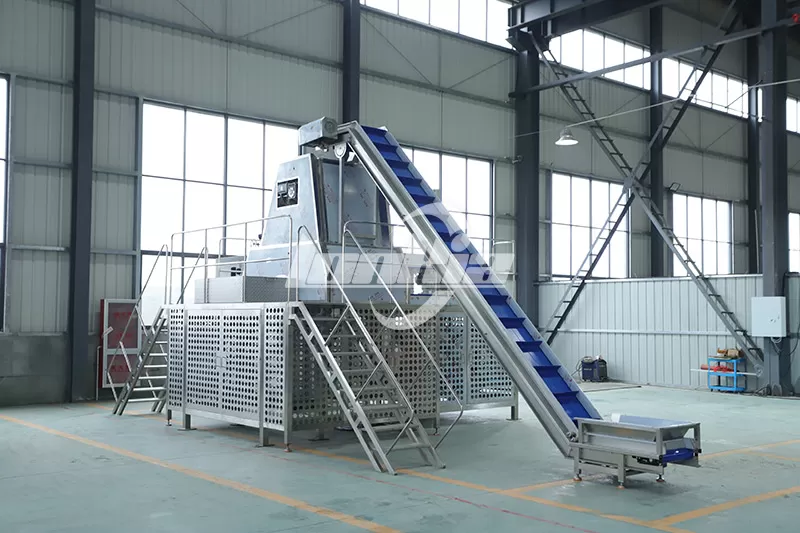
What Is a Steam Peeling Machine?
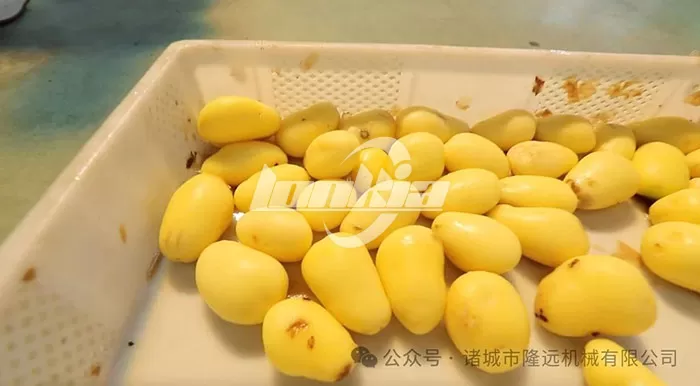
A steam peeling machine uses high-pressure steam to loosen potato skins. The potatoes are placed in a sealed pressure vessel, where they are exposed to steam for a short period. When the pressure is rapidly released, the skins crack and separate from the surface.
After that, brushes or water sprays remove the loosened skins.
Key Characteristics:
Uses high-pressure steam (typically 6–12 bar)
Short processing time (10–30 seconds)
Minimal mechanical damage to the potato
What Is an Abrasive Peeler?
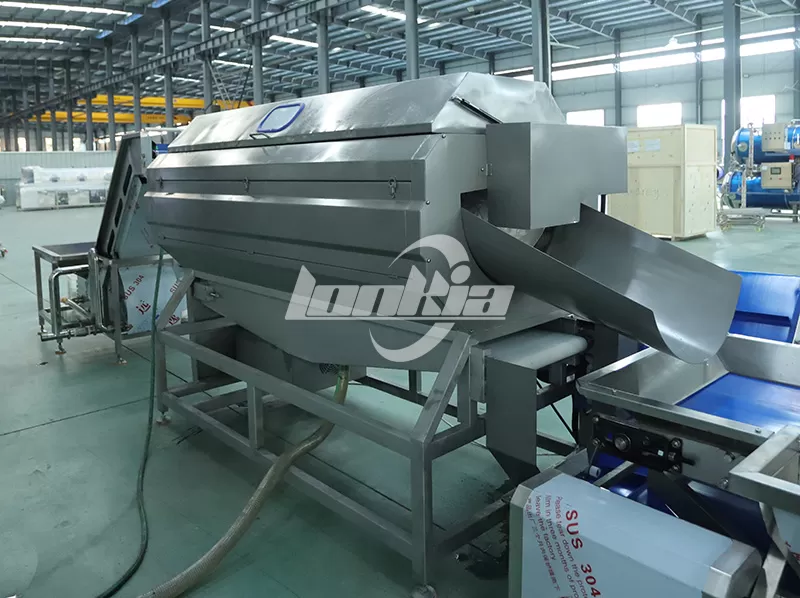
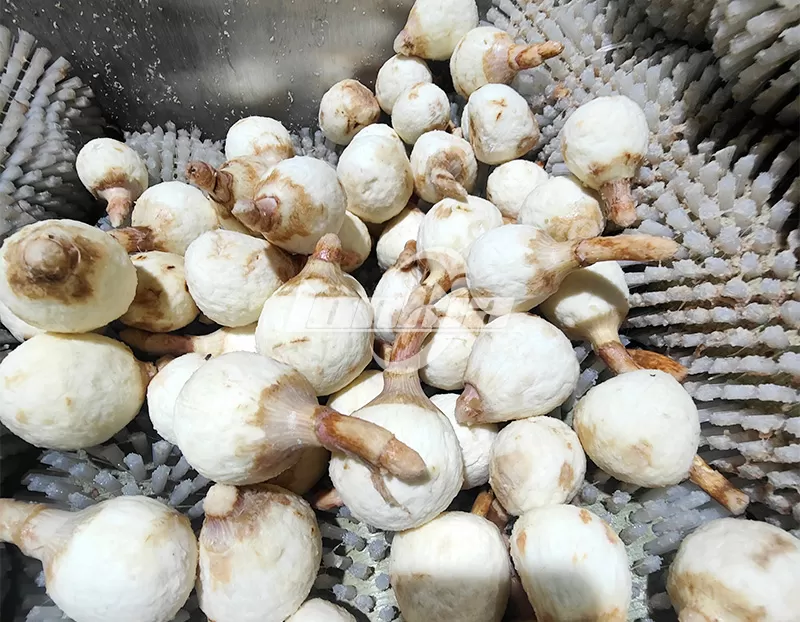
An abrasive peeler removes potato skin through friction. Potatoes are rotated inside a drum lined with abrasive materials (such as carborundum), which physically grind off the skin.
Key Characteristics:
Mechanical peeling method
Continuous rotation and friction
Simple structure and easy operation
Steam Peeling vs Abrasive Peeling: Key Differences
1. Peeling Efficiency
Steam Peeling Machine:
Achieves high peeling efficiency (often above 95%) with uniform results.Abrasive Peeler:
Efficiency depends on operation time and raw material condition. May result in uneven peeling.
👉 Winner: Steam Peeling Machine
2. Product Yield (Material Loss)
Steam Peeling Machine:
Low material loss (typically 8–10%), preserving more usable product.Abrasive Peeler:
Higher loss (10–20%) due to continuous grinding.
👉 Winner: Steam Peeling Machine
3. Surface Quality
Steam Peeling Machine:
Produces smooth surfaces, ideal for further processing like cutting or frying.Abrasive Peeler:
Surface may be rough and inconsistent.
👉 Winner: Steam Peeling Machine
4. Processing Capacity
Steam Peeling Machine:
Suitable for large-scale, high-capacity production lines.Abrasive Peeler:
Better suited for small to medium-scale operations.
👉 Winner: Depends on production scale
5. Equipment Cost
Steam Peeling Machine:
Higher initial investment due to pressure vessels and steam systems.Abrasive Peeler:
Lower purchase cost and simpler installation.
👉 Winner: Abrasive Peeler (lower upfront cost)
6. Operating Cost
Steam Peeling Machine:
Requires steam generation but reduces waste and labor costs.Abrasive Peeler:
Lower energy requirements but higher product loss increases long-term cost.
👉 Winner: Steam Peeling Machine (long-term efficiency)
7. Maintenance and Operation
Steam Peeling Machine:
Requires boiler maintenance and trained operators.Abrasive Peeler:
Easy to operate, but abrasive surfaces wear out and need replacement.
👉 Winner: Depends on technical capability
Comparison Table
| Feature | Steam Peeling Machine | Abrasive Peeler |
|---|---|---|
| Peeling Efficiency | High | Medium |
| Material Loss | Low | High |
| Surface Quality | Smooth | Rough |
| Initial Cost | High | Low |
| Operating Cost | Moderate | Moderate–High |
| Capacity | Large scale | Small–medium scale |
| Automation | High | Low–medium |
Which One Should You Choose?
Choose a Steam Peeling Machine If:
You run a large-scale potato processing plant
You need high yield and minimal waste
Product quality is a top priority
You plan to integrate into an automated production line
Choose an Abrasive Peeler If:
You operate a small or medium-sized business
You have a limited budget
You need a simple and low-cost solution
High precision is not critical
Industry Applications
Steam Peeling Machines Are Commonly Used In:
French fries production lines
Potato chip factories
Frozen food processing plants
Large-scale vegetable processing
Abrasive Peelers Are Commonly Used In:
Small food processing workshops
Catering kitchens
Local agricultural processing
Conclusion
Both steam peeling machines and abrasive peelers play important roles in potato processing. However, the best choice depends on your production scale, budget, and product quality requirements.
For high efficiency, better yield, and premium product quality, steam peeling machines are the superior option.
For lower upfront investment and simpler operation, abrasive peelers remain a practical choice.
In the long run, many growing businesses transition from abrasive peeling to steam peeling as they scale production and focus on efficiency.