
In industries such as food processing, logistics, warehousing, and agriculture, maintaining clean pallets is essential for hygiene, safety, and operational efficiency. A commercial vertical pallet washing machine offers a space-saving and highly efficient solution for cleaning large volumes of pallets.
However, choosing the right machine is not just about price—it requires careful evaluation of performance, design, and long-term value. In this guide, we’ll explore the key factors to consider before buying a commercial vertical pallet washer.
What Is a Commercial Vertical Pallet Washing Machine?
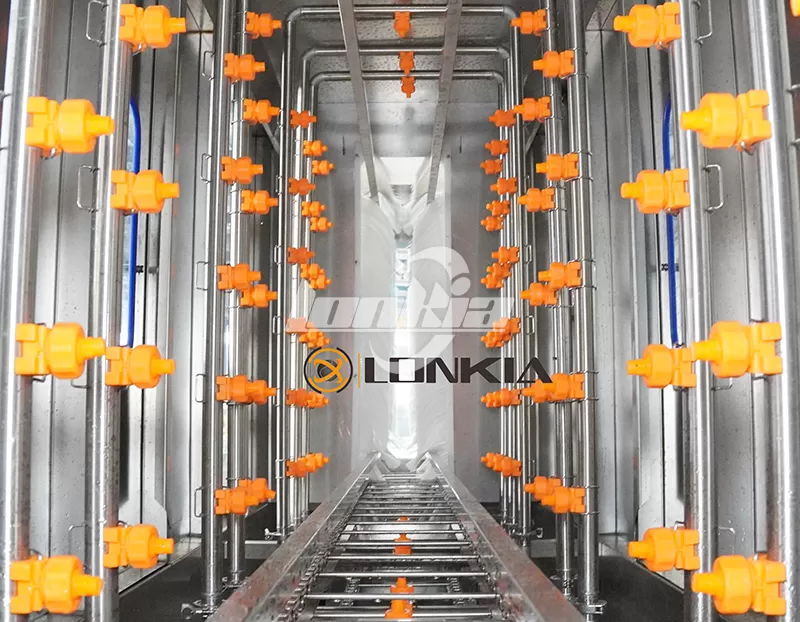
A vertical pallet washing machine is designed to clean pallets in an upright position using high-pressure water spray systems. Unlike horizontal washers, vertical systems optimize space and are ideal for facilities with limited floor area.
These machines are commonly used in:
food and beverage factories
dairy processing plants
logistics and distribution centers
agricultural processing facilities
Why Choose a Vertical Pallet Washer?
Before diving into buying factors, it’s important to understand why many businesses prefer vertical designs.
Space Efficiency
Vertical machines require less floor space, making them ideal for compact production environments.
High Cleaning Efficiency
The vertical spray system ensures better water coverage and consistent cleaning results.
Easy Integration
They can be integrated into automated production lines with conveyors and handling systems.
Key Factors to Consider Before Buying
1. Cleaning Capacity
The first thing to evaluate is how many pallets you need to clean per hour.
Typical ranges include:
30–80 pallets/hour (small operations)
80–150 pallets/hour (medium scale)
150–300+ pallets/hour (large-scale production)
Choosing the right capacity ensures smooth workflow and avoids production bottlenecks.
2. Pallet Type and Size Compatibility
Different industries use different pallet types:
plastic pallets
wooden pallets
metal pallets
Make sure the machine is designed to handle your specific pallet dimensions and materials.
3. Washing System Configuration
The effectiveness of cleaning depends on the washing system design.
Look for machines with:
high-pressure spray nozzles
multi-stage washing (pre-wash, main wash, rinse)
adjustable water pressure
Advanced systems provide better cleaning but may increase cost.
4. Heating and Sanitization
For food-related industries, sanitation is critical.
Consider machines with:
hot water washing (60–85°C)
steam heating options
chemical dosing systems for disinfection
These features ensure compliance with hygiene standards.
5. Automation Level
Automation improves efficiency and reduces labor costs.
Options include:
semi-automatic (manual loading/unloading)
fully automatic (conveyors, sensors, PLC control)
Fully automated systems are ideal for high-volume operations.
6. Water and Energy Efficiency
Efficient machines reduce long-term operating costs.
Look for features such as:
water recycling systems
filtration units
energy-efficient pumps and heaters
These not only save costs but also support sustainability goals.
7. Drying System
In some applications, pallets must be dry before reuse.
Optional drying systems include:
air knife drying
hot air drying
This is especially important in food and beverage industries.
8. Material and Build Quality
Durability is key for long-term operation.
Ensure the machine is made from:
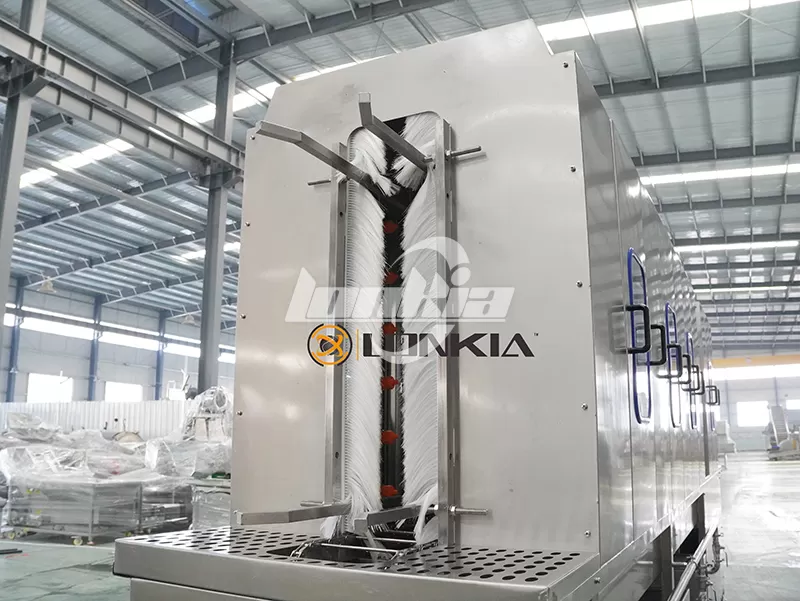
food-grade stainless steel (304/316)
corrosion-resistant components
High-quality materials extend equipment lifespan and maintain hygiene.
9. Integration with Production Line
A commercial pallet washer should fit seamlessly into your workflow.
Check compatibility with:
conveyor systems
pallet handling equipment
upstream and downstream processes
Proper integration improves efficiency and reduces downtime.
10. Supplier Reliability and Support
Choosing the right supplier is just as important as choosing the machine.
A good manufacturer should provide:
installation support
operator training
spare parts availability
after-sales service
Reliable support ensures long-term performance.
Price Overview
The cost of a commercial vertical pallet washing machine varies depending on configuration.
| Machine Type | Capacity | Price Range |
|---|---|---|
| Small Commercial | 30–80 pallets/hour | $10,000 – $30,000 |
| Medium Industrial | 80–150 pallets/hour | $30,000 – $90,000 |
| Large Automated System | 150–300+ pallets/hour | $90,000 – $200,000+ |
Customized systems with full automation and drying modules may exceed this range.
Common Mistakes to Avoid
When purchasing a pallet washing machine, avoid these pitfalls:
choosing based on price alone
underestimating required capacity
ignoring long-term operating costs
overlooking automation needs
selecting suppliers without support services
Conclusion
A commercial vertical pallet washing machine is a valuable investment for businesses that require efficient, hygienic, and high-volume pallet cleaning. By carefully evaluating factors such as capacity, automation, washing performance, and supplier reliability, you can choose the right machine for your needs.
While the initial investment may vary, the long-term benefits—improved efficiency, reduced labor, and better hygiene—make it a smart decision for modern industrial operations.