
As industries continue to focus on automation, hygiene, and operational efficiency, the demand for vertical pallet washers is growing rapidly in 2026. From food processing plants to logistics centers, businesses are investing in advanced pallet cleaning systems that save space, reduce labor, and improve sanitation standards.
But with so many options available, how do you choose the best vertical pallet washer for your business? In this guide, we’ll explore the top features to look for and provide practical buying tips to help you make the right investment.
What Is a Vertical Pallet Washer?
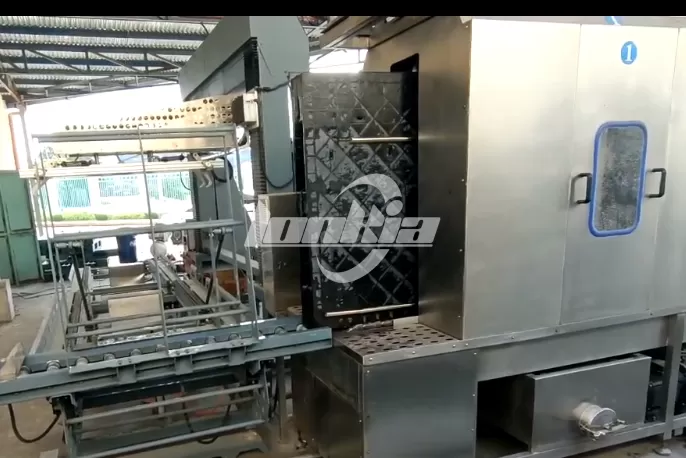
A vertical pallet washer is an industrial cleaning machine designed to wash pallets in an upright position using high-pressure spray systems. Compared with traditional horizontal washers, vertical systems are more compact and often easier to integrate into automated production lines.
These machines are commonly used for cleaning:
plastic pallets
food-grade pallets
logistics pallets
reusable industrial pallets
Why Vertical Pallet Washers Are Popular in 2026
Modern industries require faster and more hygienic cleaning solutions. Vertical pallet washers have become increasingly popular because they offer:
compact design for limited factory space
high cleaning efficiency
reduced labor requirements
compatibility with automated systems
lower water consumption in advanced models
As sustainability and automation become more important, vertical systems are now preferred by many high-volume facilities.
Top Features to Look for in the Best Vertical Pallet Washer
When comparing machines, certain features make a major difference in performance and long-term value.
1. High Cleaning Capacity
One of the first things to evaluate is throughput.
Modern vertical pallet washers in 2026 commonly offer:
50–100 pallets/hour for medium operations
100–300+ pallets/hour for industrial facilities
Choose a capacity that matches both your current and future production needs.
2. Multi-Stage Washing System
The best machines include multiple cleaning stages for improved sanitation.
Typical stages include:
Pre-wash
High-pressure wash
Rinse
Sanitizing/disinfection stage
This is especially important in food and beverage industries.
3. Smart Automation and PLC Controls
Advanced automation is now a standard feature in high-end pallet washers.
Look for systems with:
PLC touchscreen control
programmable cleaning cycles
automatic fault detection
conveyor synchronization
Smart controls improve efficiency and reduce operator workload.
4. Water Recycling Technology
Sustainability is a major focus in 2026. Many manufacturers now offer:
water filtration systems
recycling tanks
sediment separation modules
These features reduce water usage and lower operating costs.
5. Energy-Efficient Heating Systems
For industries requiring sanitation, heated washing is essential.
Common heating options include:
electric heating
steam heating
hybrid energy-saving systems
Energy-efficient heating reduces utility costs over time.
6. Durable Stainless Steel Construction
High-quality vertical pallet washers are made from:
stainless steel 304
stainless steel 316 (for high-corrosion environments)
This ensures:
long service life
corrosion resistance
compliance with hygiene standards
7. Integrated Drying Systems
Many modern machines now include drying modules such as:
air knife drying
hot air drying
Dry pallets improve operational efficiency and reduce contamination risk.
8. Compact and Modular Design
Factories increasingly prefer machines with:
compact footprint
modular expansion capability
easy maintenance access
This allows future upgrades without replacing the entire system.
Industries Using Vertical Pallet Washers
Vertical pallet washers are widely used in:
food processing plants
dairy factories
beverage production facilities
meat and poultry processing
logistics and warehouse operations
pharmaceutical industries
Each industry may require different cleaning and sanitization levels.
Vertical Pallet Washer Price Range in 2026
Prices vary depending on features, automation, and capacity.
| Machine Type | Capacity | Estimated Price |
|---|---|---|
| Small Commercial Washer | 30–80 pallets/hour | $12,000 – $35,000 |
| Medium Industrial Washer | 80–150 pallets/hour | $35,000 – $100,000 |
| Large Fully Automated System | 150–300+ pallets/hour | $100,000 – $250,000+ |
Customized systems with conveyor integration and drying modules may cost more.
Buying Guide: How to Choose the Right Vertical Pallet Washer
Before purchasing, consider the following key factors.
Evaluate Your Production Volume
Estimate:
pallets cleaned per hour
number of production shifts
future expansion plans
Buying the right capacity prevents costly upgrades later.
Check Hygiene Requirements
Food and pharmaceutical industries may require:
high-temperature sanitation
chemical dosing systems
advanced disinfection stages
Analyze Operating Costs
Don’t focus only on purchase price. Consider:
water consumption
energy usage
maintenance costs
labor savings
A more efficient machine may save money long-term.
Choose a Reliable Manufacturer
Work with suppliers that provide:
installation support
operator training
spare parts availability
technical assistance
Strong after-sales service is essential for industrial equipment.
Common Mistakes to Avoid
Avoid these common buying mistakes:
choosing the cheapest machine without considering quality
underestimating required capacity
ignoring automation compatibility
overlooking maintenance accessibility
selecting suppliers with weak support services
Conclusion
The best vertical pallet washer in 2026 combines high cleaning efficiency, smart automation, water-saving technology, and durable construction. Whether you operate a food factory, beverage plant, or logistics center, investing in the right pallet washing system can improve hygiene, reduce labor costs, and increase operational efficiency.
By focusing on features such as capacity, automation, heating systems, and supplier reliability, you can choose a vertical pallet washer that delivers long-term value and supports future business growth.