
Why Maintenance Matters for a French Fry Making Machine
The global demand for French fries continues to grow year after year, driven by fast-food chains, frozen food suppliers, and ready-to-eat snack markets. At the heart of this booming industry lies the french fry making machine—a complex system of cutting, blanching, frying, de-oiling, and freezing equipment designed to produce high volumes of consistent, golden fries.
But even the most advanced machine will lose efficiency and reliability if not maintained properly. Regular maintenance is not just about fixing breakdowns; it is about preventing problems before they start. A neglected system can lead to costly downtime, food safety issues, oil wastage, and inconsistent product quality—all of which directly impact profitability and brand reputation.
For operators, plant engineers, and factory owners, the real challenge is ensuring that these machines deliver reliable performance over years of heavy use. Proper care allows manufacturers to:
Maximize uptime and throughput
Reduce oil and energy consumption
Extend the lifespan of costly parts and components
Maintain food safety and compliance standards
Protect return on investment (ROI)
We’ll break down the essential strategies for keeping a french fry making machine running at peak condition. From daily checklists to preventive schedules and troubleshooting, you’ll get actionable advice you can implement immediately—whether you’re running a small-scale facility or a large industrial production line.
Key Sub-Systems of a French Fry Making Machine
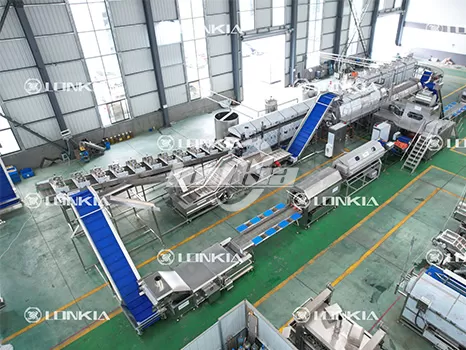
To maintain a french fry making machine effectively, it’s essential to understand its core components. While the design can vary depending on scale and automation level, most production lines include the following sub-systems:
1. Potato Cutting Units
Function: Transform washed, peeled potatoes into uniform sticks.
Maintenance Focus: Blades must remain sharp and aligned. Dull or misaligned blades cause irregular cuts, leading to uneven frying and product waste.
2. Blanching System
Function: Briefly immerses potato sticks in hot water or steam to remove excess sugars and improve texture.
Maintenance Focus: Regular descaling of heating elements, cleaning of water tanks, and verification of residence time to prevent under- or over-blanching.
3. Frying Equipment
Function: Produces the golden, crispy texture that defines French fries.
Maintenance Focus: Oil quality monitoring, burner/element inspection, insulation checks, and thermostat calibration. Poor maintenance here can cause flavor defects and safety hazards.
4. Oil Filtration and De-Oiling Units
Function: Extend oil life and improve product quality by removing crumbs and excess oil.
Maintenance Focus: Filter replacement or cleaning, pump maintenance, and oil quality analysis (checking total polar compounds, free fatty acids).
5. Conveyors and Transfer Systems
Function: Move potatoes through each processing stage with minimal damage.
Maintenance Focus: Chain lubrication, belt tension adjustment, alignment checks, and inspection for wear or cracking.
6. Freezing and Packaging (if integrated)
Function: Preserve product quality for long-term storage and transport.
Maintenance Focus: Freezer coil cleaning, airflow calibration, and sealing system inspection for packaging machines.
Understanding these subsystems helps technicians anticipate where problems are most likely to occur. For example, cutters and fryers face the highest mechanical and thermal stress, while conveyors and pumps often experience wear from continuous operation. A maintenance strategy should therefore prioritize the most critical and failure-prone components.
Daily & Shift-Level Maintenance: Fast Checks That Prevent Most Problems
One of the biggest mistakes factories make is waiting until a failure occurs before addressing machine care. In reality, most major breakdowns start with small, preventable issues. That’s why daily and shift-level maintenance routines are essential—they keep equipment in check and prevent minor wear from becoming major damage.
Operator Daily Checklist (Example)
A simple checklist performed at the beginning and end of each shift can extend machine life significantly:
Visual Inspection
Check for oil leaks, unusual residue, or water pooling around the machine.
Inspect belts, chains, and visible moving parts for signs of wear.
Lubrication Points
Apply grease/oil to designated fittings as per OEM recommendations.
Confirm lubrication systems are functioning (automatic greasers, if installed).
Cutting Blades
Inspect for chips, cracks, or dull edges. Replace or sharpen as needed.
Confirm potato stick size consistency.
Oil Quality
Check color, smell, and foam levels. Dark or rancid oil signals contamination.
Record oil temperature and compare with setpoint accuracy.
Nozzles, Filters, and Strainers
Rinse and clean strainers at the end of each shift.
Backflush water spray nozzles in blanchers and washers.
Safety Devices
Verify guards, interlocks, and emergency stops are functional.
Confirm oil level and pressure gauges are accurate.
Start-of-Shift Routine (10–15 minutes)
Ensure all tanks (water, oil) are filled to the correct levels.
Calibrate control panels and check sensor readings.
Run a dry test cycle before introducing raw potatoes.
End-of-Shift Routine (20–30 minutes)
Drain and clean debris collectors, filters, and crumb trays.
Rinse blanchers and conveyors with warm water to prevent starch buildup.
Log operational data: oil usage, yield, machine downtime, incidents.
Why It Matters
Implementing these daily practices may seem minor, but they account for 70–80% of common failures. For example:
Neglected filters lead to clogged pumps.
Dull blades increase energy consumption and reduce yield.
Skipped lubrication causes bearings to seize prematurely.
By catching these issues early, factories save thousands of dollars per year in avoided downtime and repairs.
Planned Preventive Maintenance: Weekly, Monthly, and Quarterly Tasks
While daily checks keep the system running smoothly, preventive maintenance (PM) ensures long-term performance and reduces the risk of sudden breakdowns. A structured schedule allows factories to plan downtime strategically, avoiding unexpected stoppages during peak production hours.
Weekly Maintenance
Deep Cleaning: Use food-grade cleaning agents to remove starch buildup from blanchers, conveyors, and frying zones.
Filter Maintenance: Replace or thoroughly clean oil and water filters.
Temperature & Pressure Calibration: Verify fryer thermostats, blancher steam gauges, and oil pump pressures.
Lubrication Audit: Ensure all lubrication points are receiving proper amounts. Re-grease where needed.
Monthly Maintenance
Blade & Cutter Overhaul: Inspect alignment and sharpness; replace blades that are chipped or dulled.
Pump & Motor Checks: Assess amperage draw, vibration, and noise levels. Unusual readings may indicate early-stage wear.
Conveyor Chain/Belt Review: Tighten chains, check for elongation, and inspect for fraying or cracks in belts.
Safety Systems: Test emergency shut-offs, fire suppression devices, and oil-level alarms.
Quarterly Maintenance
Oil Tank Drain & Cleaning: Fully drain fryer oil tanks and scrub for carbonized residue.
Heat Exchanger/Boiler Descaling: Remove scale buildup to improve energy efficiency.
Gearbox & Bearing Replacement: Replace worn seals, bearings, or gaskets before they fail.
Control System Calibration: Check PLC logic, sensor sensitivity, and interface accuracy.
Tip: Maintain a maintenance logbook or digital CMMS (Computerized Maintenance Management System). Documenting actions, replacements, and calibration data improves accountability and makes audits easier.
Critical Component Care: Extending Service Life Where It Matters Most
Certain components in a french fry making machine are more prone to stress, wear, and failure. Prioritizing their care not only improves uptime but also directly impacts food quality.
1. Cutting Blades
Keep blades sharp using regular honing tools or replacement.
Avoid overloading cutters with oversized or unpeeled potatoes.
Store spare blades in a dry, rust-free environment.
2. Fryer Oil System
Use automated oil quality sensors if possible.
Rotate oil batches regularly, discarding when free fatty acids or polar compounds exceed thresholds.
Clean heating elements to prevent uneven heating and scorching.
3. Pumps & Motors
Listen for unusual humming, knocking, or vibration.
Check seals for leaks, especially on oil pumps.
Replace worn bearings promptly to avoid shaft damage.
4. Conveyor Belts
Monitor belt tension to avoid slippage or excessive pull.
Use food-safe lubricants to reduce friction.
Replace damaged links or frayed edges immediately.
5. Sensors & Automation
Clean optical and temperature sensors weekly.
Calibrate load cells, flow meters, and thermocouples quarterly.
Keep spare sensors in inventory—automation failures can halt entire lines.
Troubleshooting Common Problems in French Fry Making Machines
Even with the best maintenance, problems may still arise. Knowing how to diagnose and resolve issues quickly can prevent costly downtime.
Problem 1: Uneven French Fry Size
Possible Cause: Dull or misaligned cutting blades.
Solution: Replace blades, verify alignment, and avoid overloading cutters.
Problem 2: Greasy or Dark-Colored Fries
Possible Cause: Poor oil quality, insufficient filtration, or wrong frying temperature.
Solution: Replace or filter oil, clean tanks, calibrate thermostat.
Problem 3: Excessive Downtime from Clogging
Possible Cause: Filters or crumb trays not cleaned daily.
Solution: Increase cleaning frequency; consider automated filtration.
Problem 4: Conveyor Slippage
Possible Cause: Loose belts, improper tension, or worn rollers.
Solution: Adjust tension, lubricate rollers, replace worn parts.
Problem 5: Blancher Producing Off-Flavors
Possible Cause: Scaling in heating coils or bacterial buildup.
Solution: Descale regularly, sanitize tanks, adjust water flow.
Having a root-cause analysis mindset helps. Instead of treating symptoms, trace back to mechanical, thermal, or chemical origins.
Spare Parts Strategy and Predictive Maintenance (PdM)
Unplanned downtime is often extended because spare parts are not available on-site. Building a spare parts strategy ensures quicker recovery:
Critical Spares to Stock: Cutter blades, fryer filters, conveyor links, seals, sensors, heating elements.
Supplier Partnerships: Keep strong ties with OEMs or certified vendors for rapid shipping.
Inventory Management: Balance cost with readiness—don’t overstock rarely used items.
Predictive Maintenance Tools
Factories can go beyond scheduled PM by using predictive maintenance (PdM) technologies:
Vibration Monitoring: Detect motor or pump issues early.
Infrared Thermography: Spot overheating bearings, belts, or electrical panels.
Oil Analysis: Track contamination, wear particles, and oxidation.
These tools minimize surprises, cut costs, and align with Industry 4.0 smart factory trends.
Documentation, Training, and Continuous Improvement
Maintenance is not only about machines—it’s about people and processes.
Operator Training: Ensure staff know how to recognize early warning signs.
Standard Operating Procedures (SOPs): Post checklists visibly near each subsystem.
Audit & Review: Conduct quarterly performance audits comparing downtime hours, yield, and maintenance costs.
Continuous Feedback Loop: Adjust schedules and procedures based on historical data.
When workers are empowered and informed, machines perform better, and unexpected failures decrease significantly.
A french fry making machine represents a major capital investment for any food processing facility. To ensure long-term performance, consistent product quality, and high ROI, maintenance cannot be an afterthought.
By combining daily checks, preventive schedules, critical component care, and predictive tools, operators can extend machine life by years, reduce costs, and deliver superior French fries to customers worldwide.
Ultimately, maintenance is not just about protecting machines—it’s about safeguarding productivity, profitability, and brand reputation.
Frequently Asked Questions (FAQ)
1. How often should fryer oil be changed in a french fry making machine?
It depends on production volume and filtration systems. On average, oil should be replaced every 3–7 days, but with good filtration and monitoring, it can last longer. Always follow oil quality indicators.
2. What’s the most common failure point in french fry making machines?
Cutting blades and fryer oil systems are the most common sources of problems. Blades wear quickly, and oil degrades without proper care.
3. How can I reduce downtime during maintenance?
Plan maintenance during off-peak hours, keep critical spares in stock, and train staff for quick troubleshooting.
4. Do I need professional technicians, or can operators handle maintenance?
Operators can handle daily and weekly checks. Monthly and quarterly tasks, especially electrical or boiler work, should be handled by trained technicians.
5. What’s the average lifespan of a french fry making machine?
With good care, an industrial system can last 10–15 years or more, though critical components like motors, blades, and conveyors require periodic replacement.