
1. Introduction: Why Retort Machine Maintenance Matters
In the food processing industry, reliability and safety are non-negotiable. A retort machine is one of the most critical pieces of equipment for ensuring product safety through sterilization. Whether you are processing canned vegetables, ready-to-eat meals, or protein-based products, the retort system guarantees microbial stability and shelf life.
However, like any industrial machine exposed to high pressure, heat, and moisture, a retort system is subject to gradual wear and tear. Small leaks, scaling inside pipes, and failing sensors may seem minor at first, but over time, these issues can compromise food safety, increase downtime, and raise operating costs. Preventive maintenance is therefore not only about extending service life but also about protecting your production efficiency and regulatory compliance.
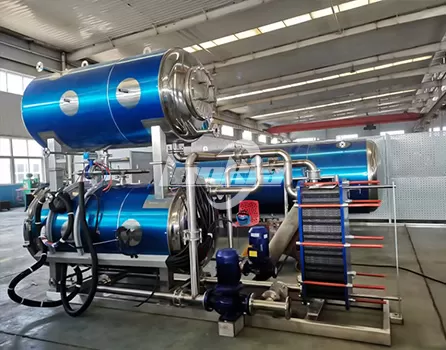
2. What Impacts the Maintenance Needs of a Retort Machine
Not all retort machines age or wear at the same rate. Several operational and environmental factors directly influence how often they need to be serviced:
- Operating frequency: Machines that run multiple cycles per day accumulate wear faster than those used intermittently. High utilization demands shorter maintenance intervals.
- Product type: Different foods affect machines differently. For example, acidic products can accelerate corrosion, while starchy or fatty foods may leave residues that clog pipelines.
- Water and steam quality: Poor-quality steam with impurities or untreated water can lead to scaling, rust, and efficiency loss in heat exchangers and piping.
- Automation level: Older manual systems often require more frequent physical inspection, whereas modern PLC-controlled systems may flag problems early but still rely on timely calibration.
- Environmental conditions: High humidity or temperature fluctuations in the factory setting can affect electrical components, seals, and overall system stability.
Understanding these influencing factors helps managers create a maintenance schedule tailored to their operation instead of following a one-size-fits-all plan.
3. Daily and Weekly Maintenance Checklist
The simplest way to prevent costly failures is to integrate daily and weekly maintenance routines into production. These checks do not take long but pay off significantly in machine longevity and process stability.
Daily Maintenance
- Visual inspection – Check for leaks in gaskets, unusual noises, or steam escaping around doors.
- Cleaning residues – Remove food particles or oil from trays, baskets, and seals to avoid contamination.
- Check gauges and sensors – Ensure temperature, pressure, and time readings match expected values. Deviations may indicate calibration issues.
- Lubrication of moving parts – Apply food-grade lubricants to hinges, valves, and seals where required.
- Drain condensation – Prevent water accumulation in pipelines, which can reduce heating efficiency.
Weekly Maintenance
- Door seal check – Examine rubber or silicone gaskets for cracks, hardening, or flattening. Replace if necessary.
- Pressure relief valves – Test functionality to ensure safety compliance.
- Filter cleaning – Clean water and steam filters to prevent buildup of scale or debris.
- Control panel inspection – Look for loose connections, overheating signs, or error codes in the control system.
- Test cycle run – Conduct a short trial cycle with no product to confirm all systems operate correctly.
4. Key Components That Require Special Attention
Certain parts of a retort machine are more prone to wear and failure than others. Focusing on these “high-risk” areas reduces the chance of unexpected shutdowns:
- Seals and gaskets: Constant exposure to pressure and temperature causes them to degrade faster than metal parts. Regular replacement is critical.
- Valves and piping: Scaling, corrosion, and clogging can restrict flow, leading to uneven sterilization. Inspection and descaling are essential.
- Sensors and probes: Inaccurate temperature or pressure readings compromise both product safety and energy efficiency. Calibration must be consistent.
- Heat exchangers: Fouling reduces heat transfer efficiency, increasing cycle times and energy use. Cleaning intervals depend on water quality and product type.
- Control systems: Electrical failures are less visible but equally disruptive. Surge protection, ventilation, and periodic system checks are necessary.
By prioritizing these areas, operators can address problems before they escalate into expensive downtime or safety violations.
5. Monthly and Quarterly Maintenance Practices
While daily and weekly checks prevent immediate issues, monthly and quarterly maintenance targets deeper problems that develop slowly over time.
Monthly Maintenance
- Full gasket inspection – Replace any weakened or hardened gaskets to maintain airtight sealing.
- Valve function testing – Check opening and closing speed under pressure.
- Lubrication schedule – Refresh lubrication on bearings and joints to avoid wear.
- Calibration of sensors – Compare probe readings with external thermometers or gauges for accuracy.
- Safety audit – Verify that all emergency stop systems and interlocks work properly.
Quarterly Maintenance
- Scaling and descaling procedures – Perform chemical cleaning of heat exchangers, pipes, and tanks to remove mineral deposits.
- Comprehensive electrical inspection – Tighten connections, check relays, and review PLC logs for unusual data patterns.
- Structural check – Inspect doors, hinges, and support frames for stress or fatigue.
- Cycle validation test – Conduct a validation run with product load to ensure sterilization standards are consistently achieved.
- Documentation review – Ensure all maintenance records are updated and ready for regulatory inspections.
6. Long-Term Maintenance and Annual Overhaul
Beyond daily, weekly, and quarterly routines, retort machines require long-term maintenance strategies to ensure continuous safe operation over many years. Annual overhauls are particularly important for catching issues that develop too slowly to appear during shorter inspections.
Annual Overhaul Checklist
- Complete dismantling of seals and gaskets – Replace all major sealing components regardless of visual condition to prevent sudden failure during production.
- Detailed corrosion check – Inspect interior vessel walls, piping, and manifolds for pitting or thinning metal. Even minor corrosion can weaken structural integrity under high pressure.
- Heat exchanger service – Disassemble, clean, and pressure-test to ensure maximum efficiency.
- Control system upgrade review – Assess whether software or PLC systems need updates to improve data accuracy and automation reliability.
- Pressure vessel inspection – Conduct non-destructive testing (NDT), such as ultrasonic thickness measurement, to evaluate metal fatigue. This may also be a regulatory requirement in many regions.
Annual overhauls often require downtime, but scheduling them during low-production seasons minimizes disruption. Preventing catastrophic failure through planned maintenance is far more cost-effective than emergency repairs.
7. Best Practices to Extend Retort Machine Service Life
Routine maintenance is only part of the picture. To maximize lifespan, manufacturers should adopt best practices in operation, training, and environment:
- Consistent operator training: Many failures originate from improper use. Ensure all operators understand correct startup, shutdown, and cleaning procedures.
- Use of treated water and clean steam: Prevents scale formation, corrosion, and contamination. Water treatment systems are a worthwhile investment.
- Standardized maintenance logs: Recording every inspection and replacement helps identify patterns and predict future failures.
- Use of genuine spare parts: Low-quality replacement seals, valves, or sensors may save money initially but often fail prematurely.
- Environment control: Keep control cabinets dry and ventilated to prevent electrical damage.
- Load management: Avoid overloading baskets or trays, as uneven weight distribution puts unnecessary stress on doors and frames.
These practices not only extend machine life but also enhance safety and consistency in production.
8. Common Maintenance Mistakes to Avoid
Even with good intentions, manufacturers sometimes undermine their own retort machine maintenance efforts. Some of the most frequent mistakes include:
- Ignoring minor leaks: Small steam or water leaks are often overlooked but may signal failing gaskets or valves.
- Delaying calibration: If sensors drift, sterilization may fail regulatory requirements, exposing the company to recalls.
- Skipping descaling procedures: Mineral buildup reduces efficiency and eventually causes blockages.
- Using incompatible lubricants: Non-food-grade lubricants can cause contamination, while the wrong viscosity can damage moving parts.
- Failing to document maintenance: Without records, it is impossible to prove compliance during audits or identify recurring problems.
Avoiding these mistakes ensures that routine efforts truly pay off.
9. Energy Efficiency and Maintenance: A Direct Connection
Maintenance is not just about preventing breakdowns—it also directly influences energy use. A poorly maintained retort machine consumes more steam, electricity, and water, leading to higher operating costs.
- Fouled heat exchangers require more energy to achieve the same sterilization temperature.
- Worn seals allow heat to escape, prolonging cycle times.
- Blocked valves or pipes reduce flow efficiency, wasting steam.
- Uncalibrated sensors may cause over-processing, consuming more energy than necessary.
By maintaining clean, calibrated, and well-sealed equipment, operators can reduce cycle times and lower costs. In some cases, energy savings from proper maintenance offset the cost of spare parts and service contracts.
10. Maintenance Documentation and Compliance
Food safety regulations require manufacturers to validate sterilization processes. Maintenance records play a central role in proving compliance.
- Regulatory audits: Inspectors often request logs of gasket replacements, calibration schedules, and validation runs.
- Traceability: Detailed records allow manufacturers to trace product lots back to machine conditions, which is vital during recalls or quality complaints.
- Predictive maintenance: With consistent documentation, operators can use historical data to anticipate when failures are likely to occur, moving from reactive to proactive strategies.
Maintaining clear documentation is not just bureaucracy—it is risk management and a tool for continuous improvement.
11. FAQ: Retort Machine Maintenance Questions
Q1. How often should a retort machine be calibrated?
Calibration of temperature and pressure sensors should occur at least quarterly. However, in high-frequency operations, monthly calibration may be necessary.
Q2. What is the typical lifespan of a retort machine?
With proper maintenance, retort machines can operate effectively for 15–25 years. Lifespan depends on usage intensity, water quality, and adherence to overhaul schedules.
Q3. Can in-house staff handle all maintenance tasks?
Daily and weekly checks can usually be performed by in-house operators. Annual overhauls and vessel inspections often require specialized service providers or certified inspectors.
Q4. What signs indicate that a retort machine needs immediate attention?
Unusual noises, longer cycle times, inconsistent pressure readings, or visible leaks all require urgent inspection before continuing production.
Q5. How does preventive maintenance save money?
Preventive maintenance reduces unplanned downtime, lowers energy costs, avoids regulatory penalties, and prevents expensive emergency repairs.
12. Making Retort Machine Maintenance a Priority
A retort machine is the heart of food sterilization and product safety. Neglecting maintenance not only shortens the lifespan of the equipment but also exposes the manufacturer to significant financial and reputational risks. By implementing structured daily, weekly, monthly, and annual practices, focusing on critical components, and adopting best operational habits, companies can extend service life, reduce costs, and maintain regulatory compliance.
Ultimately, maintenance is not an expense but an investment—one that secures production reliability, product safety, and long-term profitability.