
In modern food processing, hygiene is paramount. Contaminated crates, trays, or baskets can compromise product quality, lead to recalls, and damage your brand reputation. This is why many processors now rely on automated crate washing machines to ensure consistent and efficient cleaning of their reusable containers.
But how exactly does a crate washing machine work? Why is it superior to manual washing? And how can you choose the right model for your operation?
This article explains the working principle of crate washing machines, highlights their advantages, explores typical applications, and offers expert advice to help you make the right investment.
Why Clean Crates Properly?
Reusable plastic crates are commonly used in food, dairy, meat, bakery, and beverage industries for storage and transport. However, they often carry residues of food, grease, mold, or bacteria that can contaminate the next batch.
While manual washing may suffice in small operations, it quickly becomes impractical as production volumes grow. Manual cleaning:
Consumes excessive water and detergent.
Fails to clean consistently.
Is labor-intensive and prone to human error.
Automated crate washing machines solve these problems by delivering fast, hygienic, and cost-effective cleaning that meets food safety standards.
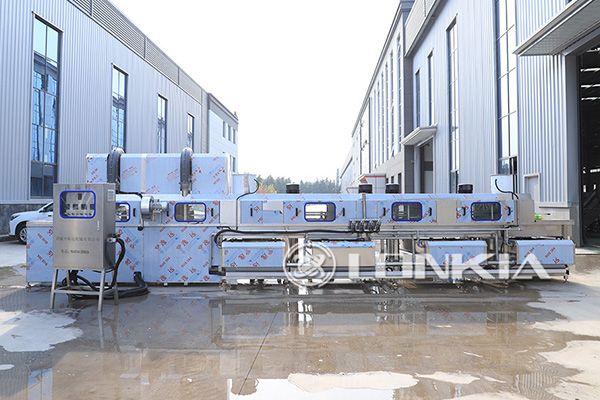
How Does a Crate Washing Machine Work?
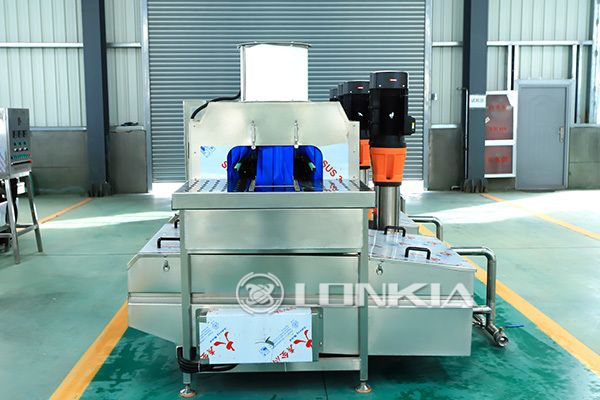
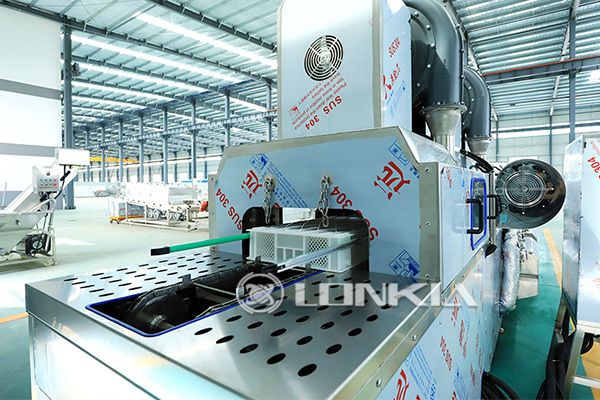
A crate washing machine is an industrial washer designed to clean crates, trays, baskets, or similar containers in high volumes. It achieves this through a multi-stage process combining mechanical spray, heated water, and filtration systems.
Here’s a detailed breakdown of its working principle:
1. Loading & Conveying
Dirty crates are loaded onto the machine, either manually or via an automatic conveyor system. A chain-driven conveyor or stainless steel mesh belt transports the crates through the machine at a controlled speed.
2. Pre-Wash Stage
The pre-wash section sprays the crates with recycled water to remove loose debris and large particles. This stage softens stubborn residues while minimizing fresh water use.
Water in this stage is filtered and recirculated to save resources.
3. Main Wash Stage
Here, crates are subjected to high-pressure sprays of heated water mixed with detergent.
Spray nozzles are arranged to target all crate surfaces — top, bottom, sides, and inside.
Water is heated (typically 50–65°C) to break down fats, oils, and proteins.
Detergent concentration is precisely controlled for optimal cleaning.
4. Rinse Stage
After washing, crates pass through a rinse section where clean, heated water removes detergent residues. This stage often uses fresh water to ensure hygiene.
Some advanced models feature a sanitizing rinse that applies a disinfectant for added safety.
5. Drying (Optional)
If required, the crates enter a drying tunnel where powerful air knives or blowers remove water, leaving crates dry and ready for immediate reuse.
6. Water Filtration & Recirculation
One of the key features of an industrial crate washer is its water-saving design:
Water is continuously filtered through mesh screens and sediment tanks to remove debris.
Clean water is recirculated to the pre-wash and main wash tanks, reducing water consumption by up to 70% compared to manual washing.
Key Advantages of Using a Crate Washing Machine
Automated crate washing offers numerous benefits over manual cleaning:
Improved Hygiene
High-pressure hot water and detergents remove more bacteria and residues, meeting HACCP and ISO food safety standards.
Consistency & Reliability
Every crate is cleaned to the same standard, reducing risk of contamination and product rejection.
Labor Savings
Free up workers from time-consuming and inconsistent manual washing.
Water & Energy Efficiency
Modern machines recycle water and optimize heating, lowering operating costs.
High Throughput
Industrial crate washers can handle hundreds of crates per hour, keeping up with high production demands.
Adaptability
Machines are adjustable for different crate sizes and can be customized with optional drying or sanitizing modules.
Typical Applications
Crate washing machines are widely used in industries where hygiene is critical:
Meat & Poultry Processing: Clean blood, fat, and protein residues from crates.
Dairy Plants: Sanitize crates used for milk and cheese packaging.
Fruit & Vegetable Processors: Remove dirt, pesticides, and organic matter.
Bakeries: Clean flour and dough residue from trays and baskets.
Beverage Plants: Wash crates carrying bottles or cans.
If you operate in any of these industries, investing in a crate washing machine is a smart move to ensure product quality and regulatory compliance.
Expert Tips for Choosing the Right Crate Washing Machine
Not all crate washers are created equal. Here are some expert considerations when selecting the right model for your needs:
1. Assess Your Throughput
How many crates do you need to wash per hour? Choose a machine that can handle your current volume with room to grow.
2. Check Crate Sizes
Ensure the washer can accommodate all crate dimensions you use. Adjustable guides and nozzles are useful for operations with varied crate sizes.
3. Evaluate Water & Energy Efficiency
Look for models with advanced filtration, heat recovery, and low water consumption to keep operating costs down.
4. Maintenance & Cleaning
Opt for designs with easy-access panels, sloped floors, and removable filters for quick cleaning and maintenance.
5. Compliance
Make sure the machine meets food safety regulations in your region, such as HACCP, FDA, or ISO standards.
6. Supplier Support
Work with a trusted supplier who can provide installation, training, spare parts, and after-sales service. At Lonkia, our team is ready to help you every step of the way.
FAQs About Crate Washing Machines
1. How many crates per hour can an industrial washer clean?
Depending on the model, throughput ranges from 100 to over 1,000 crates per hour.
2. Can one machine handle different crate sizes?
Yes, most machines are adjustable to fit different heights and widths, but it’s best to confirm with the manufacturer.
3. How much water does it save compared to manual washing?
Industrial crate washers can save up to 50–70% of water thanks to filtration and recirculation systems.
4. Do I need a drying module?
If your process requires crates to be completely dry before reuse or stacking, adding a drying module is recommended.
5. How often should the machine itself be cleaned?
Routine cleaning depends on usage, but daily rinsing and weekly deep cleaning are typical.
A crate washing machine is more than just a cleaning tool — it’s a crucial investment in food safety, efficiency, and profitability. By understanding its working principle, benefits, and key features, you can make an informed choice that supports your production needs and hygiene standards.
If you’re ready to upgrade your cleaning process, explore our industrial crate washing solutions or contact us today for expert advice and a tailored quote.