
Food sterilization is one of the most essential processes in modern food production, ensuring safety, extending shelf life, and maintaining quality. As consumer expectations evolve and global food logistics become more complex, the technologies behind food sterilization are advancing rapidly. In 2026, the industry continues to lean toward methods that are faster, more energy-efficient, and better at preserving nutrients and taste.
This article explores the top 5 food sterilization technologies making the biggest impact in 2026.
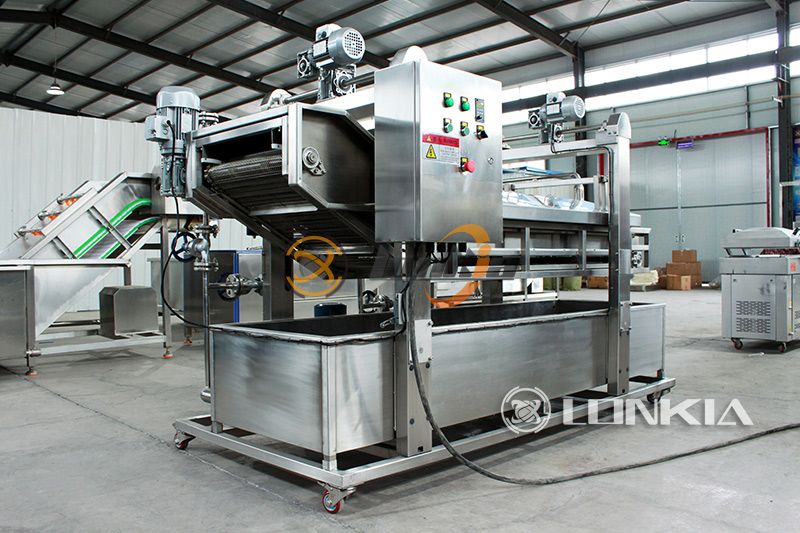
1. High-Pressure Processing (HPP)
High-pressure processing, or HPP, uses extreme pressure (up to 600 MPa) to inactivate harmful pathogens and spoilage microorganisms. It is a non-thermal method, meaning it does not use heat, which helps preserve the original taste, texture, and nutritional value of the food.
Key Benefits:
Extends shelf life without preservatives
Maintains sensory and nutritional quality
Ideal for ready-to-eat meals, juices, deli meats, and guacamole
What’s New in 2026?
Modern HPP systems in 2026 are more energy-efficient and allow for continuous flow, rather than batch processing. This has made them more cost-effective for medium and large-scale operations.
2. Ultraviolet (UV-C) Light Sterilization
UV-C light sterilization is gaining popularity in both industrial and small-scale applications. This method uses short-wavelength ultraviolet light to disrupt the DNA of microorganisms, effectively rendering them inactive.
Key Benefits:
Chemical-free and residue-free
Fast surface decontamination
Commonly used for packaging materials, water, and thin food layers
2026 Advancements:
New modular UV-C tunnels and integration with AI-controlled sensors allow for customized intensity and exposure times based on the surface area and microbial load of each product.
3. Steam and Heat-Based Sterilization
Steam sterilization remains a workhorse method for many food industries, especially in canning and bulk processing. Heat effectively kills bacteria, molds, and spores when applied under pressure or at elevated temperatures.
Key Benefits:
Proven and widely regulated
Suitable for shelf-stable products like soups, vegetables, and sauces
Scalable for both small and industrial volumes
What’s Changed in 2026?
With energy sustainability in focus, new steam sterilizers now feature heat recovery systems, automated temperature calibration, and real-time microbial kill tracking to improve energy efficiency and product quality.
4. Ozone-Based Sterilization
Ozone is a powerful oxidizing agent that effectively eliminates bacteria, molds, and viruses. It is especially useful for sterilizing fresh produce, dry goods, and food contact surfaces.
Key Benefits:
No chemical residues
Approved by FDA for direct food contact
Effective in both gas and aqueous forms
Trends in 2026:
The use of ozone in closed-loop sanitization systems has increased, reducing waste and improving worker safety. IoT-connected ozone monitors also allow better control and traceability throughout the production process.
5. Pulsed Electric Field (PEF) Technology
Pulsed electric field technology involves applying short bursts of high voltage to food products. This method disrupts the cell membranes of microorganisms, leading to their death, without significantly heating the product.
Key Benefits:
Minimal heat damage
Preserves nutrients and flavors
Ideal for liquid foods like juices, soups, and dairy
2026 Innovations:
Compact PEF units are now available for mid-sized food producers, making this cutting-edge tech more accessible. Enhanced automation enables real-time microbial kill validation, improving quality assurance.
Choosing the Right Technology for Your Needs
Each sterilization technology has its own strengths depending on food type, volume, desired shelf life, and production scale. Here’s a quick comparison:
| Technology | Best For | Heat Involved | Shelf Life Impact | Key Advantage |
|---|---|---|---|---|
| HPP | RTE meals, juices | No | High | Nutrient preservation |
| UV-C | Surfaces, liquids | No | Moderate | Fast, no chemicals |
| Steam/Heat | Canned goods | Yes | High | Proven & scalable |
| Ozone | Produce, dry goods | No | Moderate | Eco-friendly |
| PEF | Liquids | Minimal | Moderate | Gentle on flavor |
Sustainability and Compliance in 2026
Regulatory bodies such as the FDA, USDA, and international food safety organizations have tightened requirements on traceability, environmental impact, and microbial kill rates. In 2026, companies must not only choose a sterilization method that is effective and efficient, but also sustainable and compliant.
Many food manufacturers are now opting for hybrid systems—using, for example, UV-C with ozone or HPP with steam—to achieve multi-layer protection.
Future Outlook: What’s Next in Food Sterilization?
Looking beyond 2026, food sterilization technology is expected to further evolve through:
Smart automation with AI and machine learning
Blockchain-backed safety tracking
Nano-sterilization coatings for packaging
Consumer-facing transparency through QR codes showing sterilization history
As consumer demand for clean-label, safe, and minimally processed foods grows, sterilization methods will continue to evolve toward greater precision, efficiency, and eco-friendliness.
The food sterilization landscape in 2026 reflects a delicate balance between safety, quality, speed, and sustainability. Whether you're a food processor, equipment buyer, or industry researcher, staying informed on these top five sterilization technologies—HPP, UV-C, steam, ozone, and PEF—will help you make better decisions for your production line and your consumers.