
Why Choosing the Right Potato Sorting and Grading Line Matters, A potato sorting and grading line plays a crucial role in modern potato processing. Whether you are supplying fresh potatoes to supermarkets or preparing raw materials for French fries and potato chips production, accurate grading improves product quality, increases efficiency, and reduces labor costs.
However, not all grading lines are the same. Before investing in a system, it is important to understand which features will deliver the best performance and long-term value for your business.
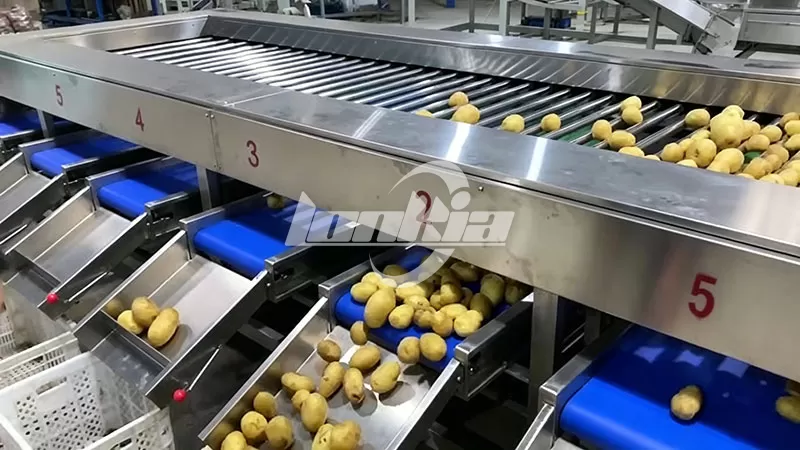
High Processing Capacity
One of the first factors to consider is production capacity.
The ideal capacity depends on your daily processing volume. Small farms may only require a few tons per hour, while commercial packing facilities and processing plants often need much higher throughput.
A well-designed grading line should provide stable performance without creating bottlenecks in your production process.
Accurate Size Grading
The primary function of a potato grading line is to separate potatoes into different size categories.
Look for equipment that offers:
multiple grading sizes
consistent sorting accuracy
adjustable grading settings
Accurate grading helps improve product uniformity and meets market requirements for retail and industrial customers.
Gentle Product Handling
Potatoes can be easily damaged during processing.
A quality grading line should feature:
smooth conveyor transitions
low-drop feeding systems
soft contact surfaces
Gentle handling reduces bruising and minimizes product loss, especially for fresh market potatoes.
Automatic Feeding and Conveying
Modern potato sorting lines often include automatic conveying systems that reduce manual labor and improve efficiency.
Common equipment includes:
receiving hoppers
bucket elevators
belt conveyors
discharge conveyors
Automation helps maintain a continuous production flow and increases overall productivity.
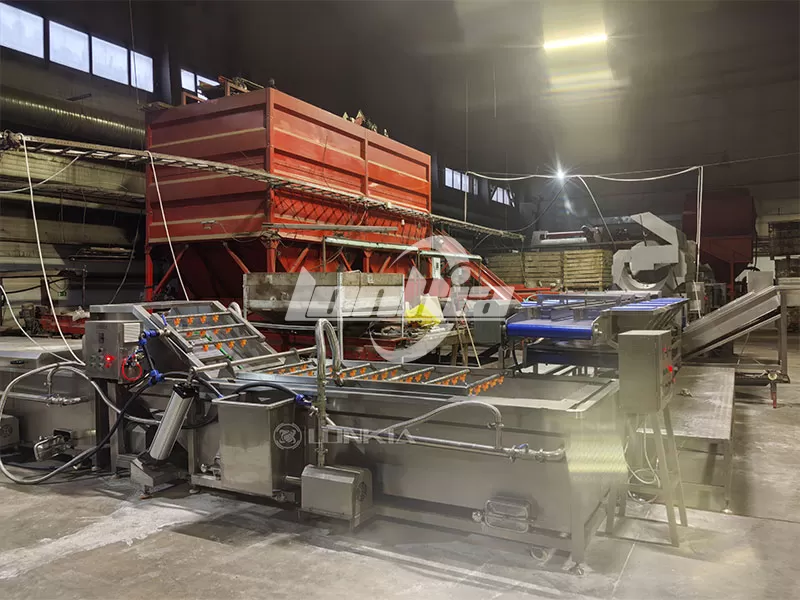
Durable Stainless Steel Construction
For food processing applications, machine construction is extremely important.
Many commercial potato grading lines use stainless steel components because they provide:
excellent corrosion resistance
easy cleaning and maintenance
compliance with food safety requirements
Stainless steel equipment generally offers a longer service life and lower maintenance costs.
Easy Adjustment and Operation
Different customers may require different grading specifications.
Look for machines that allow operators to easily adjust:
grading sizes
conveyor speeds
sorting parameters
User-friendly controls reduce setup time and improve operational flexibility.
Expandable System Design
Many businesses start with basic grading equipment and later expand production.
Choosing a modular grading line allows future integration of:
potato washing machines
brushing machines
inspection conveyors
weighing systems
packaging equipment
An expandable design protects your investment and supports future business growth.
Low Maintenance Requirements
Downtime can significantly affect production efficiency.
A reliable potato sorting and grading line should offer:
simple mechanical design
easy access to components
durable motors and bearings
readily available spare parts
Low-maintenance equipment reduces operating costs and increases productivity.
Energy Efficiency
As energy costs continue to rise, efficient equipment becomes increasingly important.
Modern grading lines are designed to:
reduce power consumption
optimize motor performance
lower operating costs
Energy-efficient equipment can generate significant savings over the lifetime of the machine.
Optional Optical Sorting Technology
For higher-value potato products, some processors choose grading lines equipped with optical sorting systems.
These advanced solutions can detect:
defects
discoloration
damaged potatoes
foreign materials
Although they require a higher investment, optical sorting systems can significantly improve product quality and reduce waste.
How to Select the Best Potato Sorting and Grading Line
Before purchasing a grading line, ask yourself:
What is my required processing capacity?
How many grading sizes do I need?
Do I require automated feeding and packaging?
Will I expand production in the future?
What level of sorting accuracy is required?
Answering these questions will help you identify the most suitable solution for your operation.
Why Work with an Experienced Manufacturer
A professional manufacturer can provide more than just equipment. They can also help with:
production line design
equipment customization
installation support
operator training
after-sales service
Working with an experienced supplier ensures the grading line is tailored to your production requirements.
Conclusion
When investing in a potato sorting and grading line, it is important to focus on features that directly impact productivity, product quality, and long-term operating costs. High grading accuracy, gentle handling, durable construction, automation, and future expandability are among the most important factors to consider.
By choosing a grading line that matches your processing needs, you can improve efficiency, reduce labor requirements, and deliver a more consistent product to your customers.