
In industries such as food processing, meat processing, seafood processing, and central kitchens, crate washing machines have become essential equipment for cleaning reusable crates. Consistent cleaning performance not only affects production efficiency but also directly impacts the hygiene management of subsequent products.
However, during long-term operation, inadequate maintenance or improper equipment selection can easily lead to reduced cleaning effectiveness, decreased operational efficiency, or even equipment downtime. Understanding these common issues and preventive measures helps businesses maintain long-term, stable equipment operation and reduce maintenance costs.
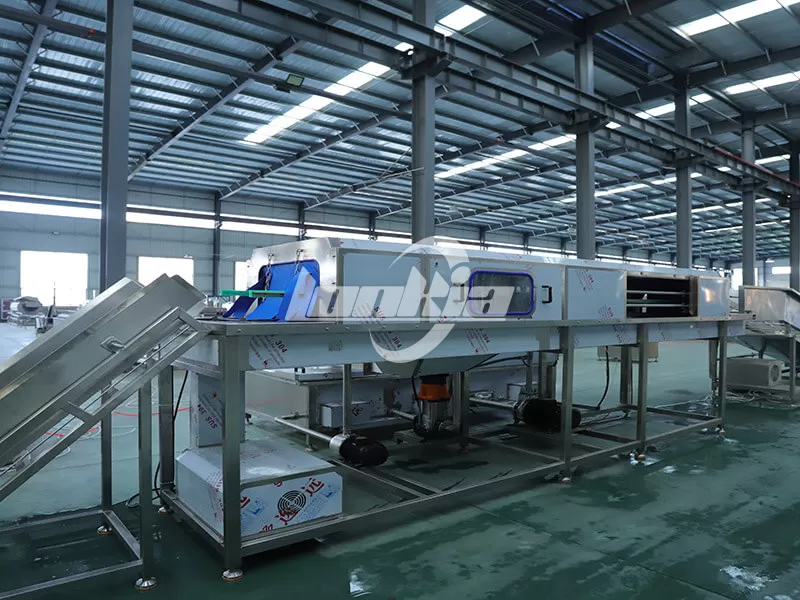
Nozzle Clogging Leading to Reduced Cleaning Effectiveness
The spray system is one of the core components of a crate washing machine. If nozzles become clogged with impurities, residue, or scale, the high-pressure water flow cannot evenly cover the surface of the crates, leading to incomplete cleaning in certain areas.
Common symptoms include:
- Residual stains in the corners of the crates
- Increased cleaning time
- Noticeably reduced water pressure
Solutions:
- Regularly inspect the condition of the nozzles
- Clean impurities from the filtration system
- Establish a nozzle inspection routine
- Replace worn nozzles as needed
Proper spray performance ensures that crate washing machines maintain consistent cleaning capabilities.
Water Circulation System Contamination Affects Equipment Performance
Many crate washing machines utilize a recirculating water system. If the filtration system is not properly maintained, large amounts of debris can enter the recirculation tank, leading to secondary contamination.
Common issues include:
- Cloudy water
- Residual dirt on crate surfaces after washing
- Accelerated wear on water pumps
Recommendations for businesses:
- Drain wastewater regularly
- Clean the filter screens
- Inspect the recirculation piping
- Keep the interior of the water tank clean
For continuous production facilities, a stable recirculation system effectively ensures the long-term operational quality of the crate washing equipment.
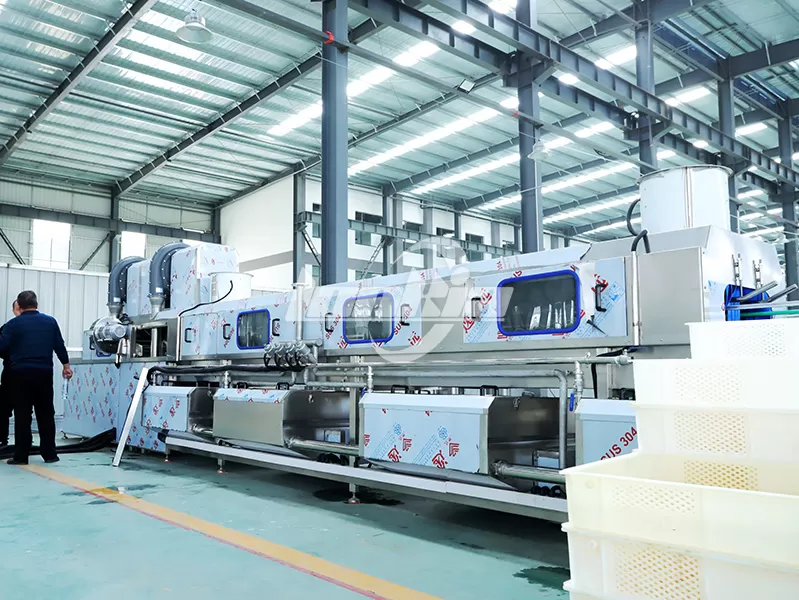
Conveyor System Jams or Unstable Operation
Conveyor chains and guide rails are responsible for continuously feeding crates into the washing area. If crate specifications are inconsistent or conveyor components are worn, jams are likely to occur.
Main causes include:
- Excessive variation in container sizes
- Loose conveyor chains
- Worn guide rails
- Component misalignment after prolonged operation
Preventive measures:
- Use standard-sized containers exclusively
- Regularly check chain tension
- Calibrate the guide mechanism
- Replace worn parts promptly
A stable conveyor system is essential for ensuring the plastic crate washer machine's overall production capacity.
Unstable Water Temperature Affects Cleaning Quality
In industries with high levels of grease and protein residues, hot water washing can significantly improve cleaning effectiveness. If the heating system malfunctions, cleaning quality is often compromised.
Common symptoms:
- Reduced degreasing effectiveness
- Sticky surfaces after washing
- Abnormal increase in energy consumption
Key inspection points:
- Operating condition of heating elements
- Accuracy of temperature sensors
- Temperature control system settings
- Water level control system
Stable temperature control helps the industrial crate washer maintain consistent cleaning results.
Insufficient Pump Pressure Leads to Incomplete Cleaning
High-pressure spraying relies on a stable pump system. If the pump is worn or the water supply is insufficient, spray pressure will drop significantly.
Key Areas to Monitor:
- Condition of the pump impeller
- Pipe leaks
- Clogged filtration system
- Motor operating status
Regular pump maintenance effectively extends equipment lifespan and ensures Crate Washing Machines continue to operate efficiently.
How to Reduce the Failure Rate of Crate Washing Machines?
Establishing a preventive maintenance system is more important than repairing equipment after a failure occurs.
We recommend that factories prioritize the following tasks:
- Develop a daily inspection plan
- Regularly clean nozzles and the filtration system
- Inspect the condition of conveyor chains and guide rails
- Monitor water temperature and spray pressure
- Maintain equipment maintenance records
Standardized maintenance management not only improves equipment utilization but also reduces production losses caused by unexpected downtime.
Selecting Reliable Equipment Is Equally Critical
In addition to post-installation maintenance, the design quality of the crate washer itself significantly impacts operational stability. Features such as high-quality stainless steel construction, a well-designed spray layout, a reliable conveyor system, and a comprehensive filtration system can effectively minimize operational issues.
Lonkia has long specialized in the R&D and manufacturing of various crate washing machines. We provide customized solutions tailored to different production needs, helping customers achieve a more stable and efficient washing experience.
Conclusion
Crate washing machines play a vital role in modern food processing. Common issues encountered during actual operation include nozzle clogging, water circulation contamination, conveyor system failures, abnormal water temperatures, and insufficient pump pressure. Through scientific maintenance and proper equipment selection, most of these issues can be prevented in advance, ensuring long-term, stable operation of the equipment and providing continuous, reliable cleaning support for production lines.