
In commercial kitchens, time is money—and hygiene is non-negotiable. A pan washer is more than just a cleaning appliance; it’s a productivity tool that keeps your cookware spotless, ensures compliance with food safety standards, and helps your staff focus on food preparation instead of scrubbing for hours.
Whether you operate a bustling hotel kitchen, a large-scale catering service, or a high-volume restaurant, investing in the right pan washer can save you labor costs, water, energy, and detergent—all while extending the lifespan of your cookware.
In this guide, we’ll cover everything you need to know before making a purchase, including how a pan washer works, must-have features, types, maintenance tips.
1. Understanding the Pan Washer
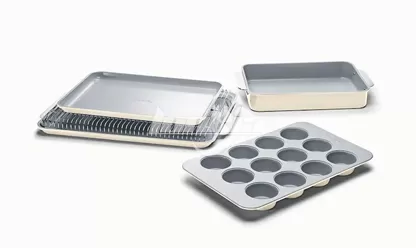
While some people think a pan washer is just a bigger dishwasher, that’s far from the truth. Pan washers are engineered specifically to clean large, heavy, and often heavily soiled cookware such as:
GN pans (Gastronorm pans)
Baking trays and racks
Roasting tins and grill plates
Unlike conventional dishwashers, pan washers have:
Higher water pressure for removing baked-on food
Special spray arm configurations for maximum coverage
Heavy-duty filtration systems to handle grease and food residue
This makes them essential for operations where standard dishwashers simply can’t keep up with the volume or type of cookware.
2. Industry Background: The Rising Demand for Pan Washers
The global foodservice equipment market has been expanding rapidly, with pan washers seeing increased adoption due to:
Tighter hygiene regulations — Many countries now require specific sanitation temperatures and contact times for cookware.
Labor shortages — Automation reduces dependency on manual washing staff.
Sustainability initiatives — Modern pan washers use up to 50% less water than manual washing.
Higher food production volumes — More meals mean more pans to clean.
According to market research from industry reports, demand for energy-efficient pan washers is expected to grow at over 5% CAGR in the next five years, driven by hotels, hospitals, and catering services.
3. How a Pan Washer Works: Step-by-Step Process
A typical cycle in a commercial pan washer includes:
Step 1: Pre-Rinse
High-pressure jets remove loose food particles, reducing the soil load before the main wash.
Step 2: Main Wash
Hot water (60–65°C) mixed with detergent is sprayed forcefully to dissolve grease and food residues.
Step 3: Rinse & Sanitization
A final rinse at 82–90°C ensures proper sanitization and compliance with food safety standards.
Step 4: Optional Drying
Some high-end models include built-in drying systems, reducing the need for air-drying racks.
Pro Tip: Always check whether your local health code requires a specific rinse temperature or chemical sanitizer.
4. Key Features You Can’t Ignore When Buying a Pan Washer
When evaluating pan washers, look for the following essential features:
4.1 Chamber Size & Capacity
Choose a model that can handle your largest pans without awkward stacking.
Measure your biggest item (e.g., GN 2/1 pans, baking trays) before choosing.
4.2 Water Pressure & Spray System
Higher pressure removes stubborn residues faster.
Look for multi-directional spray arms for complete coverage.
4.3 Temperature Control
Models with adjustable wash and rinse temperatures allow you to meet hygiene requirements for different food types.
4.4 Energy Efficiency
Energy Star-rated pan washers consume less water and electricity.
Some models recycle rinse water for the next wash cycle.
4.5 Cycle Time Options
Short cycles for lightly soiled pans, longer cycles for heavy buildup.
Flexible cycle times reduce wasted energy and water.
4.6 Noise Level
Important for open kitchens or catering prep areas.
Look for insulation and noise-reducing designs.

5. Energy and Water Efficiency: Why It Matters
Modern pan washer designs have significantly improved resource consumption:
Water Recycling Systems — Reuse final rinse water for the next pre-rinse cycle.
Low-Flow Spray Nozzles — Reduce water usage without compromising cleaning power.
Heat Recovery Systems — Capture steam heat to pre-warm incoming water, cutting energy use.
For example, a traditional manual washing station can consume over 120 liters per hour, while an energy-efficient pan washer can cut that down to 40–60 liters—a 50–65%reduction. Over a year, this can save thousands in utility bills.
6. Compliance with Food Safety Regulations
In most countries, commercial kitchens must meet HACCP (Hazard Analysis and Critical Control Points) or equivalent standards. A pan washer helps you stay compliant by:
Reaching required sanitization temperatures
Ensuring consistent cleaning cycles
Reducing human error in manual washing
Providing documented cycle logs in some advanced models
Failing to meet these standards can lead to health inspection penalties, fines, or even closure.
7. Compliance with Food Safety Regulations
In most countries, commercial kitchens must meet HACCP (Hazard Analysis and Critical Control Points) or equivalent standards. A pan washer helps you stay compliant by:
Reaching required sanitization temperatures
Ensuring consistent cleaning cycles
Reducing human error in manual washing
Providing documented cycle logs in some advanced models
Failing to meet these standards can lead to health inspection penalties, fines, or even closure.
8. Installation & Kitchen Layout Considerations
A pan washer’s performance isn’t just about the machine—it’s also about where and how you install it.
8.1 Space Requirements
Measure the footprint and door clearance for loading/unloading.
Ensure enough room for operators to move without blocking other stations.
8.2 Workflow Optimization
Position near dirty pan drop-off points to reduce carrying distance.
In high-volume kitchens, use a pass-through design to separate clean and dirty zones.
8.3 Plumbing & Electrical Needs
Most pan washers require hot and cold water connections, proper drainage, and a dedicated circuit.
Some models require water softeners to prevent scale buildup.
8.4 Ventilation
High-temperature cycles produce steam—ensure proper kitchen ventilation or consider models with built-in steam condensers.
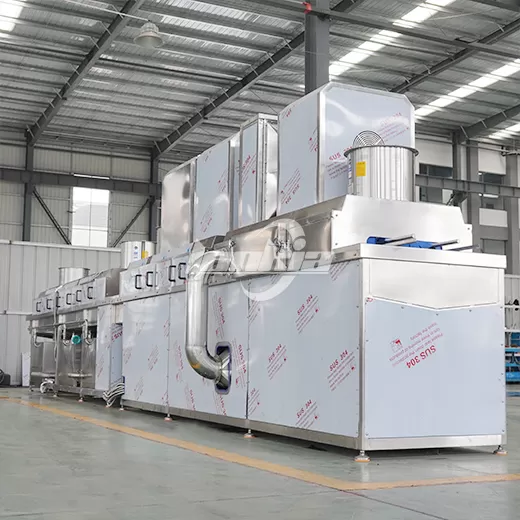
9. Maintenance & Longevity: Protecting Your Investment
A pan washer can last 10–15 years with proper care, but neglect can cut its life in half.
9.1 Daily Maintenance
Clean filters and spray arms to prevent blockages.
Wipe down chamber walls to prevent scale buildup.
Drain machine at the end of each shift.
9.2 Weekly/Monthly Tasks
Check for worn gaskets and seals.
Inspect heating elements and jets for mineral deposits.
Run a descaling cycle if necessary.
9.3 Professional Servicing
Schedule at least one annual professional check-up to maintain peak efficiency.
Keep a record of all maintenance for warranty compliance.
10. Pan Washer Buying Checklist
Before making your decision, make sure you can answer:
Does the machine fit your largest pan size without stacking?
Is the cycle time fast enough for your service hours?
What’s the annual water and energy consumption?
Does it meet local health code sanitization requirements?
Can your kitchen accommodate its plumbing and electrical needs?
Is there after-sales support and readily available spare parts?
11. Quick FAQ
Q1: Can a pan washer clean other kitchen items?
Yes—most can handle trays, utensils, and baking sheets.
Q2: How long does a typical wash cycle take?
Between 3–10 minutes depending on the model.
Q3: Do I need special detergents?
It’s best to use the manufacturer’s recommended products for optimal performance.
Q4: Can I install a pan washer in a small kitchen?
Yes, compact models are available, but check plumbing/electrical needs.
Q5: How long will a pan washer last?
With proper maintenance, 10–15 years is common.