
In recent years, the global consumption of French fries has grown significantly due to the rise of fast food culture, frozen food markets, and quick-service restaurants. According to industry reports, the demand is especially strong in North America, Europe, and increasingly in Asian markets like China and India. According to Fortune Business Insights, the global frozen potato market was valued at USD 62.4 billion in 2022 and is expected to grow at a CAGR of 4.4% through 2030. French fries dominate this category, representing a major revenue driver.Manufacturers looking to scale their production must first analyze these market trends to prioritize regional demand, packaging preferences, and regulatory requirements.
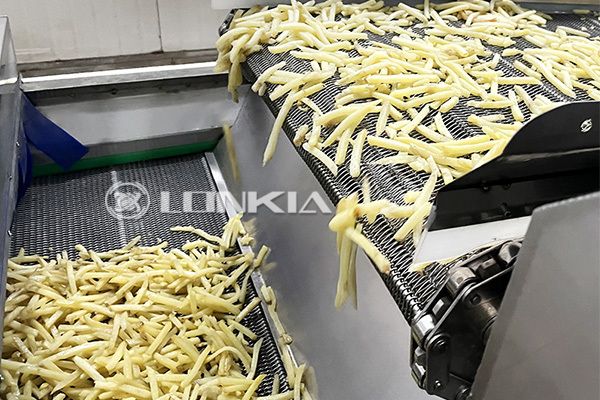
Key Strategies to Expand French Fry Production
1. Invest in a High-Capacity French Fry Production Line
The most effective way to expand production is to upgrade to a fully automated French fry production line. These lines can process thousands of kilograms of potatoes per hour, turning raw potatoes into uniform, frozen French fries ready for distribution.
Why invest in automation?
Consistent size, shape, and texture of fries.
Reduced labor costs and human error.
Higher throughput with less downtime.
Compliance with international food safety standards.
At Lonkia, we offer state-of-the-art French fry production lines with modular designs, allowing manufacturers to scale capacity based on demand.
2. Optimize Raw Material Handling
Raw potato quality and handling directly affect output and efficiency. As you scale up:
Source high-quality, uniform potatoes to reduce wastage.
Invest in efficient potato washers, graders, and sorters to automate pre-processing.
Ensure adequate storage with climate control to maintain consistent raw material supply throughout the year.
3. Improve Production Efficiency
Sometimes, you can expand production without even buying a larger machine — simply by improving line efficiency:
Minimize downtime through preventive maintenance schedules.
Train staff to operate equipment more effectively.
Upgrade control systems to optimize heat, oil, and water use.
Monitor KPIs like line yield, energy consumption, and scrap rates.
Even a 5–10% improvement in efficiency can free up significant capacity.
4. Expand Freezing and Storage Capacity
French fries require quick freezing (IQF) to preserve texture and prevent clumping. As you increase production, make sure your freezing tunnels and cold storage can handle the additional output.
Modern freezing equipment is energy-efficient and capable of freezing fries at high volumes while maintaining product integrity.
5. Maintain Quality and Food Safety
Scaling up production should never come at the expense of product quality or safety:
Use automated quality control systems to inspect size, color, and defects.
Implement rigorous cleaning and sanitation protocols for equipment.
Ensure compliance with standards like HACCP, ISO 22000, or FDA regulations.
High-quality, safe products help build consumer trust and brand loyalty.
Challenges in Scaling French Fry Production
Expanding a French fry production line isn't simply about buying bigger machines. It requires balancing processing speed, energy consumption, waste management, and quality control. For example, if the cutting equipment is upgraded but the blanching or drying capacity is limited, it can cause production bottlenecks. Manufacturers must also consider the increased need for automated cleaning (CIP systems), food safety documentation, and stricter QA processes when scaling.
The Right Equipment Makes the Difference
Investing in the right machinery is the cornerstone of expanding production effectively. Below are some essential machines for a modern French fry production line:
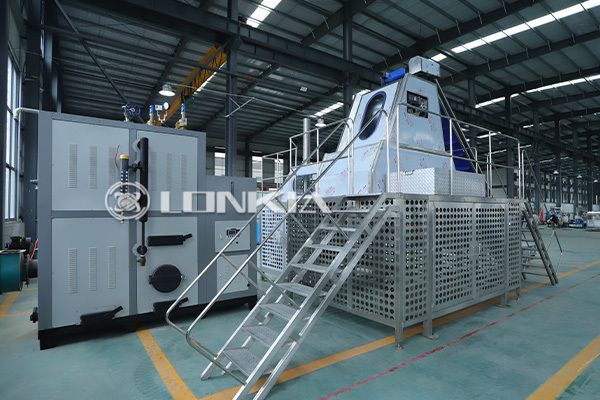
Potato Washing & Peeling Machines
Ensure potatoes are clean and uniformly peeled without damaging the flesh.Potato Cutting Machines
Cut potatoes into uniform sticks with adjustable thickness, meeting different market preferences.Blanching Machines
Pre-cook fries at precise temperatures to maintain texture and prevent discoloration.Drying & Frying Systems
Remove surface moisture and fry at optimal oil temperature to achieve a golden crisp.Freezing Equipment
Quick-freeze fries individually to prevent clumping and preserve texture.Packaging Machines
Pack fries into consumer or bulk-sized bags in a hygienic, efficient manner.
Learn more about our complete French fry processing solutions, designed to fit small, medium, and large-scale operations.
Expert Tips for a Smooth Expansion
Expanding production successfully requires more than just installing new machines. Based on years of working with food processors around the world, here are some expert-level recommendations to make your expansion smooth and cost-effective:
1. Plan Beyond Current Demand
Many manufacturers make the mistake of sizing their line for current demand only. But installing a system that can grow with your business saves time and money later. Even if you don’t need full capacity today, you can operate part of the line while leaving room to scale.
Pro tip: Build in at least 20–30% extra capacity to absorb seasonal peaks, unexpected large orders, or future product line extensions.
2. Don’t Underestimate Utilities
More output means more steam, water, electricity, and compressed air. Before installation:
Audit your current utilities.
Plan for boiler, chiller, and electrical upgrades if needed.
Coordinate with your utility providers to avoid bottlenecks.
3. Optimize the Entire Workflow
A bigger fryer or freezer alone won’t fix bottlenecks if upstream washing and peeling can’t keep up. Map your entire production flow and identify weak links. Often, small upgrades (like adding an extra washer or better sorting system) can unlock hidden capacity.
4. Train Your People Early
Don’t wait until after installation to train your team. Work with your supplier to develop training programs for operators and maintenance staff ahead of time. Well-trained personnel reduce start-up problems, prevent costly mistakes, and keep your line running smoothly.
5. Budget for Spare Parts and Support
Even the best machines need occasional maintenance. Stock key spare parts and establish a maintenance schedule. Work with a supplier who offers:
Local service technicians or fast-response remote support.
Clear documentation and training.
Guaranteed spare part availability.
6. Validate Quality at Higher Speeds
Scaling up output can sometimes compromise product quality if parameters aren’t properly adjusted. Test different potato sizes, oil temperatures, and freezing times at higher speeds to ensure your final product meets your brand standards.
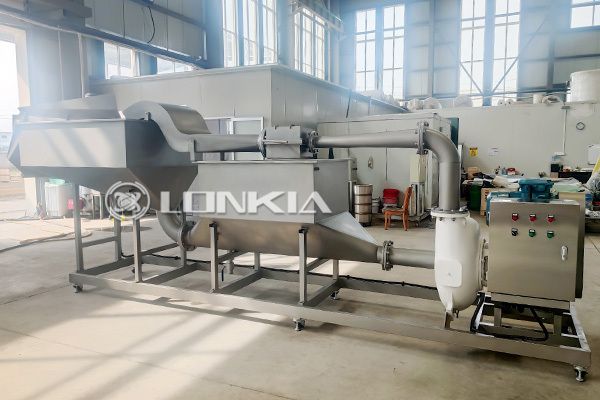
Case Study: Upgrading from Semi-Automatic to Fully Automatic Line
Many mid-sized producers struggle with the transition from semi-automatic systems to fully automated French fry lines. A recent example involves a European snack brand that upgraded to a full line including automatic de-stoners, French fry cutters, blanchers, continuous fryers, and multi-head weighers. This change improved output by 120% while reducing labor costs by 35%. Detailed planning, equipment layout redesign, and training played key roles in their success.
Frequently Asked Questions (FAQ)
1. How much can a modern French fry line produce per hour?
A fully automated line can produce anywhere from 500 kg/hour for small operations to over 10,000 kg/hour for large-scale plants, depending on the equipment setup.
2. Do I need to replace my entire line to increase production?
Not always. Sometimes upgrading key components (like fryers or freezers) or optimizing workflows can significantly increase capacity without a full replacement.
3. How do I maintain product quality when scaling up?
Use advanced control systems to monitor critical parameters (like oil temperature and freezing time) and implement strict quality checks at every stage.
4. Is automation cost-effective for small manufacturers?
Yes — even small and medium-sized producers benefit from automation by reducing labor costs, improving yield, and ensuring consistent quality.
5. What certifications do I need for my French fry production line?
Ensure your line meets HACCP, ISO 22000, and local food safety standards. At Lonkia, all our equipment is designed to comply with these certifications.
Expanding French fry production is a smart move for manufacturers looking to capture growing consumer demand and increase profitability. By investing in the right equipment, optimizing your processes, and maintaining high standards of quality and safety, you can scale up efficiently and sustainably.If you’re ready to explore how to expand your production capacity, visit our French fry production solutions page or contact us for a personalized consultation.