
In today’s fast-paced food industry, thermal processing plays a critical role in ensuring safety, extending shelf life, and meeting regulatory standards. Retort machines—also known as autoclaves or sterilizers—are at the heart of this operation, especially for products packed in cans, pouches, or glass jars.
But for many manufacturers, two critical questions often arise during procurement:
How much does a retort machine cost?
How quickly can it be delivered and installed?
If you're a food production manager, procurement specialist, or facility owner, you’re likely balancing capital budgets, production timelines, and compliance requirements—all while trying to minimize downtime. This blog will guide you through the key factors that influence retort machine prices and the increasing demand for rapid delivery in industrial food processing.
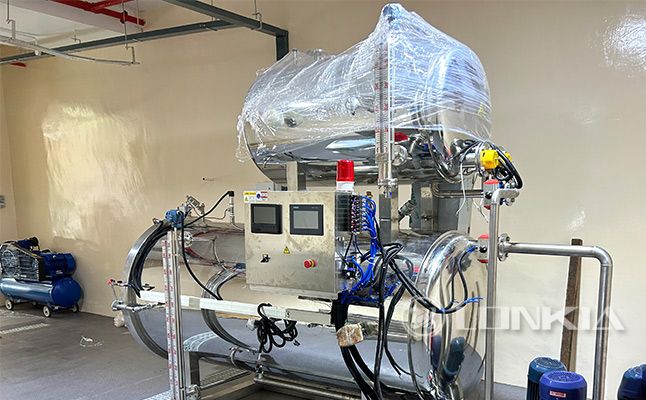
What Is a Retort Machine and Why Is It Essential?
A retort machine is a pressure vessel used for sterilizing packaged food using steam, hot water, or other heat-transfer methods. It ensures that food is microbiologically stable, shelf-ready, and safe for consumption—without the need for refrigeration or preservatives.
Common Applications:
Canned vegetables, soups, sauces
Retort pouches for ready meals and pet food
Glass jarred fruit, baby food, and beverages
Meat, seafood, dairy products
The right retort machine not only helps extend shelf life but also preserves taste, texture, and nutritional value. Choosing the right type of retort, therefore, directly impacts product quality and profitability.
Key Factors That Determine Retort Machine Price
Before we talk numbers, it’s important to understand what goes into the price of a retort machine. The cost can vary widely—from $10,000 to over $100,000 USD, depending on several factors:
1. Type of Retort System
Static Retort: Basic, affordable, suitable for less-sensitive products.
Rotary Retort: Higher cost, used for viscous or sediment-prone items.
Steam, Water Spray, or Water Immersion: Each method affects equipment complexity and cost.
2. Capacity & Size
Machines range from small-batch lab units to fully automatic continuous retort systems.
Higher throughput means more robust construction, larger chambers, and more advanced controls—raising the price.
3. Material and Build Quality
Stainless steel (SS304 or SS316) construction is standard for hygiene and corrosion resistance.
Pressure ratings and insulation also influence cost.
4. Level of Automation
Manual systems are more affordable but require labor.
Semi-automatic or fully automatic machines with PLC controls cost more but reduce operational risks and labor costs.
5. Compliance and Certifications
Machines must often comply with CE, ISO, FDA, or HACCP standards—especially for export.
These certifications add cost but ensure safety and reliability.
6. After-Sales Services and Warranty
Extended warranties, remote monitoring, and maintenance support are typically built into higher-priced packages.
Realistic Price Ranges for Retort Machines (2025 Estimates)
| Machine Type | Capacity (per batch) | Price Range (USD) |
|---|---|---|
| Small static retort | 200–300L | $8,000–$15,000 |
| Medium batch retort | 500–1,000L | $18,000–$35,000 |
| Rotary water immersion retort | 1,000L+ | $40,000–$70,000 |
| Fully automatic system | Customized | $75,000–$120,000+ |
Note: These are reference ranges only. Custom features, special materials, and freight will affect total pricing.
Why Rapid Delivery Has Become a Competitive Advantage
In a post-pandemic world marked by supply chain delays and inflationary pressure, fast delivery is no longer optional—it’s strategic.
Reasons Manufacturers Need Faster Delivery:
Urgent order fulfillment due to rising food demand
Replacing broken or outdated equipment to avoid downtime
Scaling up production quickly to launch new products
Export contract deadlines that require strict adherence to schedules
Traditional Delivery Timeline
Most industrial food processing machines take 45–90 days to manufacture and ship—sometimes longer depending on part availability.
Fast Delivery Solutions from Lonkia
Ready-to-ship models in popular sizes and configurations
Modular systems that require less customization and shorter lead times
Local warehousing and installation support in select regions
Rapid-response engineering for technical drawings, approvals, and adjustments
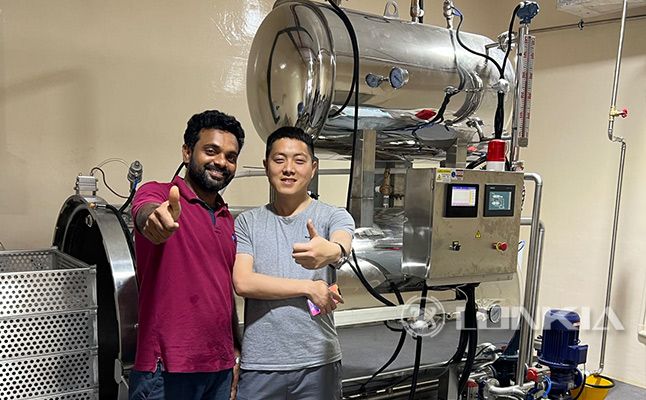
Some of Lonkia’s clients have reported complete machine delivery and commissioning in as little as 30–45 days—a major time-saver for urgent production needs.
How to Ensure You're Getting Good Value, Not Just a Low Price
Many buyers fixate on the price tag—but value is more than cost. Consider the total cost of ownership (TCO), including:
Energy efficiency
Downtime due to maintenance
Flexibility for multiple products
Ease of operation and training
Access to spare parts and local technicians
Red Flags in Low-Cost Machines:
No certifications or regulatory approvals
Poor-quality valves and seals (leading to leakage)
Inconsistent pressure/temperature control
Difficult-to-source replacement parts
No local service team or training support
A well-priced, high-value retort machine will save you money long-term by minimizing maintenance costs, optimizing productivity, and supporting product consistency.
Questions to Ask Before Buying a Retort Machine
To make a smart, informed decision, consider the following:
What types of packaging are you using? (e.g. pouches, cans, glass jars)
What are your batch sizes and daily output targets?
Do you need rotary motion for heat-sensitive or thick products?
What is your available floor space and utility setup?
Is energy consumption a major concern?
Do you need future upgrade paths?
The answers will determine the type of machine best suited for your facility—and how fast it can be delivered.
Why Work with an Experienced Manufacturer Like Lonkia?
Lonkia specializes in designing, manufacturing, and delivering retort machines for food processing plants of all sizes. With decades of industry experience and global clients, Lonkia offers:
Pre-engineered models for rapid deployment
Custom solutions with fast turnaround times
Certified materials and hygienic designs
Full technical documentation for import and audit clearance
Remote and on-site training post-installation
Case Study: A Southeast Asian Soup Brand Cuts Lead Time by 40%
A premium soup manufacturer in Southeast Asia faced urgent capacity constraints. After evaluating multiple suppliers, they chose Lonkia’s rotary water-spray retort system.
Why They Chose Lonkia:
Lead time was 38 days from PO to factory floor
Retort chamber was pre-wired and pre-tested before shipping
Virtual FAT (Factory Acceptance Test) saved travel time
Post-installation support was conducted in local language
The result? The brand was able to fulfill new export contracts on time—and is now planning to scale to a second line using the same platform.
Conclusion: Invest Wisely, Deliver Quickly
Whether you're upgrading old machinery, expanding production, or entering new markets, a retort machine is a critical investment. But price and delivery time shouldn’t be competing priorities—they should work together to support your business goals.
By understanding the real cost drivers and partnering with experienced suppliers like Lonkia, you can secure equipment that’s:
Reliable
Certified
Scalable
Delivered on time
The best time to start planning your retort solution is before you urgently need it. With the right strategy, you’ll save time, money, and market share.
FAQs
Q: How long does it take to receive a retort machine after ordering?
A: Standard delivery takes 45–90 days, but some models can be shipped within 30–45 days depending on availability and customization.
Q: Can I install a retort machine myself?
A: Basic models may allow in-house installation, but professional installation and commissioning are recommended to ensure compliance and efficiency.
Q: What is the typical ROI period for a retort machine?
A: Most businesses recover their investment within 1–2 years due to labor savings, lower product waste, and higher output.
Q: Are Lonkia’s machines CE or ISO certified?
A: Yes. All retort systems are built using food-grade materials and certified according to international hygiene and safety standards.
Q: Can Lonkia customize machines for unique product needs?
A: Absolutely. Lonkia’s engineers can tailor machine size, pressure rating, rotation, and controls to suit your specific production goals.