
Introduction: What Is a Pallet Washer?
In industries where hygiene and efficiency are non-negotiable—such as food processing, pharmaceuticals, and logistics—cleaning reusable pallets becomes a critical task. A pallet washer is a specialized machine designed to automate the cleaning, rinsing, and drying of pallets, crates, and similar load carriers. These systems eliminate manual labor, reduce water and detergent usage, and meet high sanitation standards that manual cleaning often can't achieve.
Whether you're operating a food-grade warehouse or a high-volume distribution center, investing in a pallet washer system can significantly optimize your workflow and regulatory compliance.

Why Clean Pallets Matter
Before diving into machine specs and system types, it’s essential to understand why pallet cleaning is crucial:
Contamination Risk: Dirty pallets can harbor bacteria, allergens, or chemicals that pose health risks or product damage.
Regulatory Compliance: Industries such as food and pharma are governed by strict hygiene regulations (e.g., FDA, HACCP, GMP) that require clean handling materials.
Operational Efficiency: Clean pallets contribute to smoother conveyor and robotic system operation by reducing jams and wear-and-tear.
Brand Image: Visibly clean equipment reflects professionalism and care in operations, reassuring clients and partners.
A pallet washer ensures that cleaning is consistent, efficient, and traceable—something that hand-washing cannot reliably deliver.
Core Benefits of Using a Pallet Washer
1. Consistent and High-Quality Cleaning
Manual cleaning is prone to inconsistency. With a pallet washer, every pallet goes through a uniform washing cycle, ensuring reliable sanitization standards are met each time.
2. Labor and Time Savings
Automating the cleaning process significantly reduces manual labor, freeing up staff for higher-value tasks. Some systems can clean up to 200 pallets per hour, depending on the configuration.
3. Reduced Water and Chemical Usage
Modern pallet washers are designed with recycling tanks and filtration systems, optimizing water consumption while minimizing waste. This contributes to sustainability goals and lowers utility costs.
4. Compliance and Audit Readiness
Clean, documented, and automated processes make it easier to pass audits and maintain records for inspections, especially in industries governed by strict hygiene requirements.
5. Long-Term Cost Efficiency
Though the upfront investment may seem high, the return on investment (ROI) often becomes clear within 12–18 months due to savings in labor, water, chemicals, and reduced pallet damage.
Types of Pallet Washer Systems
Choosing the right pallet washer depends on your facility’s layout, throughput, and specific industry standards. Below are the main types:
1. Tunnel Pallet Washers
These are continuous flow systems where pallets are loaded on one end and come out clean on the other. Ideal for high-volume operations, they typically feature multiple zones: pre-wash, main wash, rinse, and sometimes drying.
Best for: Food manufacturers, distribution centers, packaging plants.
Pros:
High throughput
Automation-friendly
Can be integrated into conveyor lines
Cons:
Larger footprint
Higher upfront cost
2. Cabinet-Style Pallet Washers
These washers operate similarly to a dishwasher. Pallets are placed inside a cabinet where high-pressure jets clean them.
Best for: Smaller facilities or batch-cleaning environments.
Pros:
Compact footprint
Lower cost
Easy to install
Cons:
Lower throughput
Manual loading/unloading
3. Rotary or Carousel Systems
These use a circular design to clean pallets in a rotating fashion. They balance continuous cleaning and space efficiency.
Best for: Mid-volume production sites with limited space.
Pros:
Continuous cycle
Moderate capacity
Space-saving
Cons:
May require more maintenance
Not ideal for oversized pallets
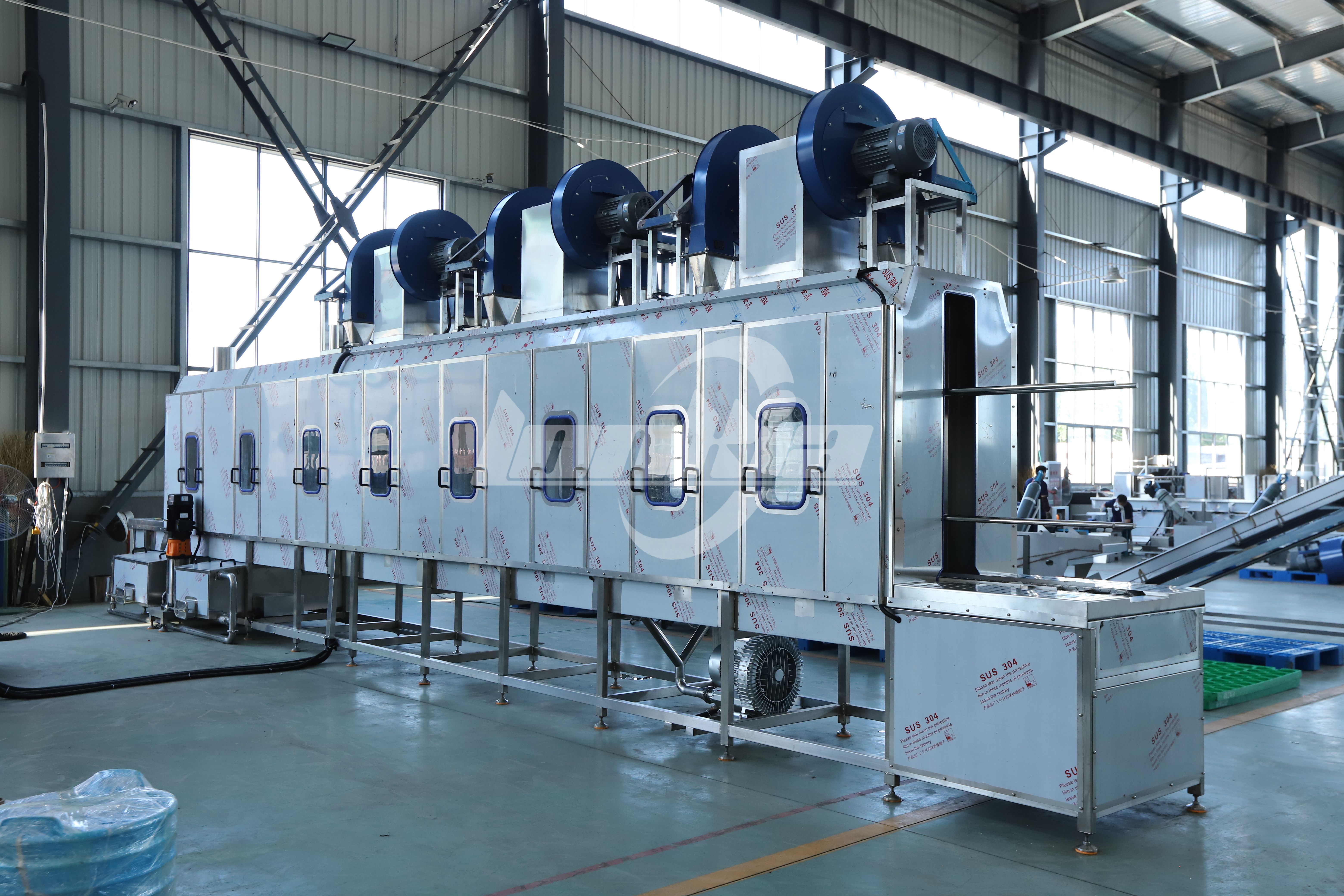
Key Features to Look For When Buying a Pallet Washer
When investing in a pallet washer, focus on these critical specifications and features to match your facility's operational goals:
1.Throughput Capacity
Measure how many pallets your facility needs to clean per hour. Oversizing can waste resources, while undersizing leads to bottlenecks.
2.Material Compatibility
Ensure the washer can handle plastic, aluminum, or wood pallets, depending on what your facility uses.
3.Sanitizing Capabilities
Look for machines with adjustable temperature settings, integrated detergent dispensers, and chemical sanitization options if required by your industry.
4.Energy and Water Efficiency
Modern machines feature recirculation pumps, filtration systems, and insulated tanks to cut utility costs and promote sustainability.
5.Ease of Maintenance
Opt for systems with easy-access panels, self-cleaning filters, and low-maintenance components to reduce downtime.
6.Modular Design
Scalable systems can grow with your business. Some suppliers offer modular conveyor attachments, drying modules, and custom loading/unloading systems.
Pallet Washer Use Cases by Industry
Here’s how different industries benefit from using pallet washers:
1.Food Processing
Pallet washers are essential for removing organic residue, such as fats, proteins, or starch, to prevent bacterial contamination.
2.Pharmaceuticals
Pharma-grade pallet washers must meet GMP and cleanroom standards, providing highly controlled sanitization and validation logs.
3.Retail & E-Commerce Warehousing
Retail distribution hubs use pallet washers to maintain clean and presentable load carriers, enhancing delivery hygiene and visual branding.
4.Reusable Packaging Logistics
Pallet pooling companies rely on pallet washers to sanitize returnable pallets and crates before redistribution.
Cost Considerations and ROI
1.Upfront Costs
Entry-level pallet washers may start around $10,000–$20,000, while high-capacity tunnel systems can exceed $100,000, depending on customization.
2.Operational Costs
Costs include water, detergent, energy, and maintenance. However, automated water recycling and heat recovery can dramatically reduce these expenses.
3.Cost Savings
Reduced labor: 1–2 FTE saved per shift
Fewer damaged pallets from improper washing
Minimized risk of contamination-related recalls or downtime
With consistent use, many companies report full ROI within 1–2 years.
Tips for Choosing the Right Pallet Washer Supplier
Selecting the right supplier is just as important as choosing the right machine. Consider these factors:
Experience in your industry
Custom engineering capabilities
After-sales support and spare parts availability
Installation, training, and warranty coverage
Client case studies or testimonials
Ask for demos or trial runs whenever possible to assess performance with your specific pallet types and soil loads.
FAQs About Pallet Washer Systems
1. What types of pallets can be cleaned in a pallet washer system?
Most pallet washer systems are designed to clean plastic pallets, which are commonly used in food, beverage, and pharmaceutical industries. Some models can also handle metal or aluminum pallets, but wooden pallets are typically not recommended due to water absorption and sanitation concerns.
2. Can a pallet washer remove labels, adhesives, or heavy grease?
Yes, but this depends on the machine’s pressure settings, nozzle configuration, and detergent compatibility. For stubborn residues like labels or oils, you may need a pre-wash or high-pressure cleaning cycle with industrial-grade chemicals.
3. Is it safe to use a pallet washer in a food-grade environment?
Absolutely—many pallet washers are built with stainless steel construction, HACCP-compliant designs, and sanitary wash/rinse zones that meet the hygiene standards required in food processing and pharmaceutical applications.
4. How do I choose the right pallet washer system for my facility?
Consider these key factors:
Type and size of pallets
Cleaning requirements (debris vs. grease vs. disinfection)
Production volume per shift
Automation level (manual loading, conveyorized, robotic)
Available floor space
Water and energy consumption
A tailored solution that matches your specific use case will provide the best long-term return on investment.
A pallet washer is more than just a cleaning tool—it's a strategic investment in sanitation, operational efficiency, and long-term cost control. As automation continues to reshape industrial workflows, integrating a pallet washer system not only ensures hygiene compliance but also positions your facility for sustainable growth.