
As the demand for processed potato products such as French fries, chips, and frozen foods continues to grow, more businesses are investing in commercial steam peeling machines. These machines offer high efficiency, low waste, and consistent peeling quality—making them essential for modern food processing lines.
If you are searching for a commercial steam peeling machine for sale, it’s important to understand what features and factors to evaluate before making a purchase. Choosing the right equipment can significantly impact your production efficiency, product quality, and long-term profitability.
What Is a Commercial Steam Peeling Machine?
A commercial steam peeling machine is designed to remove the skin of potatoes (and other root vegetables) using high-pressure steam. The process involves briefly exposing the product to steam, followed by rapid pressure release, which causes the skin to separate from the flesh.
This method is widely used in:
Potato chip production
French fries processing lines
Frozen vegetable plants
Large-scale food factories
Why Choose Steam Peeling for Commercial Use?
Compared to traditional peeling methods, steam peeling offers several advantages:
Higher yield (less product loss)
Better surface quality
Reduced labor costs
Improved hygiene standards
Consistent results at scale
These benefits make steam peeling the preferred solution for industrial food processing.
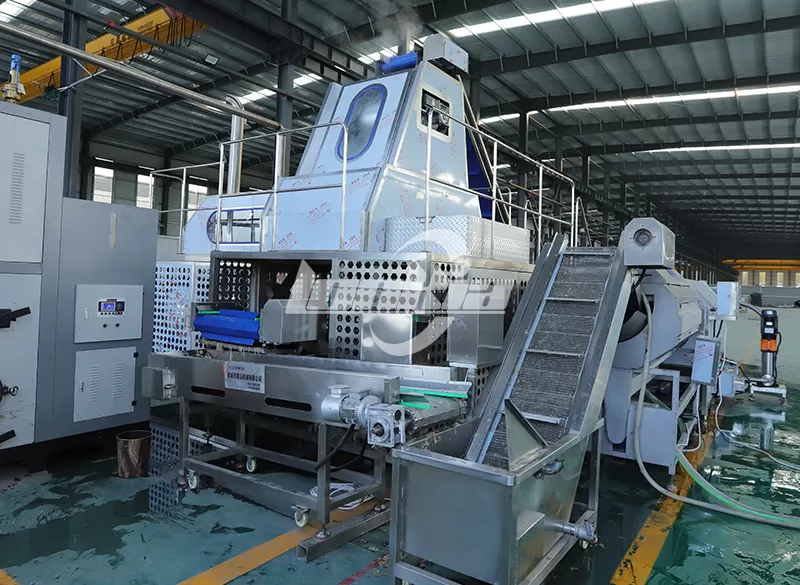
Key Factors to Consider Before Buying
When evaluating a steam peeling machine for sale, focus on the following critical aspects.
1. Production Capacity
Capacity is the first factor to consider. Machines are available in a wide range of outputs, such as:
500–1000 kg/hour (small scale)
1–5 tons/hour (medium scale)
5–20+ tons/hour (large industrial scale)
Choose a machine that matches your current production needs while allowing room for future expansion.
2. Steam Pressure and System Design
A reliable steam system is essential for effective peeling.
Look for machines that offer:
stable steam pressure (typically 6–12 bar)
fast pressure build-up and release
efficient steam consumption
A well-designed steam system improves peeling efficiency and reduces energy costs.
3. Peeling Efficiency and Yield
High-quality steam peelers should deliver:
Peeling efficiency above 90–95%
Low material loss (8–10%)
Higher yield means more usable product and better profitability over time.
4. Automation and Control System
Modern commercial machines often include advanced control systems such as:
PLC (Programmable Logic Controller)
touchscreen interface
adjustable peeling time and pressure
automatic operation cycles
Automation improves consistency and reduces the need for manual intervention.
5. Material and Hygiene Standards
For food processing, hygiene is critical. Make sure the machine is:
made from food-grade stainless steel (304 or 316)
easy to clean and maintain
compliant with food safety standards
This ensures long-term durability and safe production.
6. Integration with Production Line
A steam peeling machine is usually part of a complete processing line. Check whether it can integrate with:
washing machines
sorting systems
cutting equipment
frying or freezing lines
Seamless integration improves workflow efficiency and reduces downtime.
7. Energy Consumption and Operating Costs
While steam peelers require boilers and steam generation, modern machines are designed for energy efficiency.
Consider:
steam consumption levels
heat recovery systems
overall operating costs
Efficient machines can significantly reduce long-term expenses.
8. Supplier Reliability and Support
Choosing the right supplier is just as important as choosing the machine.
A reliable manufacturer should provide:
installation guidance
operator training
spare parts supply
after-sales service
technical support
Strong support ensures smooth operation and minimizes production interruptions.
Price Range of Commercial Steam Peeling Machines
The cost of a commercial steam peeling machine varies depending on capacity and configuration.
| Machine Type | Capacity | Price Range |
|---|---|---|
| Small Commercial | 500–1000 kg/h | $15,000 – $40,000 |
| Medium Industrial | 1–5 tons/h | $40,000 – $120,000 |
| Large Automatic System | 5–20+ tons/h | $120,000 – $300,000+ |
Customized systems with full automation and integrated lines may cost more.
Common Mistakes to Avoid
When buying a steam peeling machine, avoid these common pitfalls:
Choosing a machine with insufficient capacity
Focusing only on price instead of long-term value
Ignoring energy consumption and maintenance costs
Buying from suppliers without technical support
Overlooking integration with existing equipment
Making a well-informed decision helps prevent costly upgrades later.
Conclusion
A commercial steam peeling machine is a valuable investment for businesses in the potato processing industry. By focusing on capacity, efficiency, automation, and supplier reliability, you can choose equipment that delivers consistent performance and long-term profitability.
When evaluating a steam peeling machine for sale, don’t just look at the initial price—consider total value, including yield, efficiency, and operational costs.
With the right machine, your production line can achieve higher efficiency, better product quality, and stronger competitiveness in the market.