
Vegetable cutter machines are essential in modern food processing plants, restaurants, and central kitchens. They ensure precise, efficient, and hygienic vegetable cutting — saving time and reducing labor costs. However, like any mechanical equipment, these machines require regular maintenance and timely troubleshooting to maintain performance and extend service life.
A well-maintained vegetable cutter not only ensures consistent cutting quality but also minimizes downtime, food waste, and safety hazards. Poor cleaning, improper lubrication, or neglecting minor issues can quickly lead to blade dullness, motor overload, or belt slippage — ultimately affecting production efficiency.
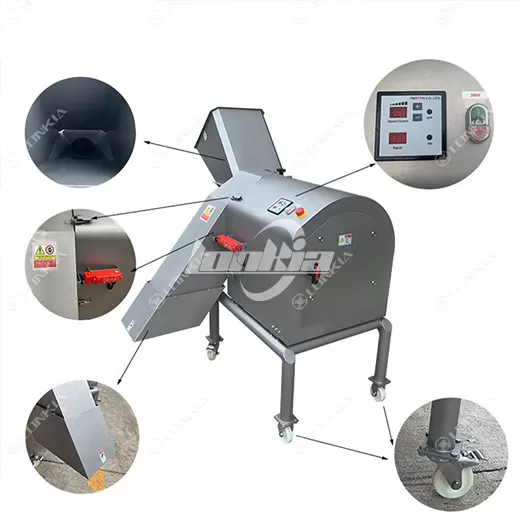
1. Understanding How a Vegetable Cutter Machine Works
Before diving into troubleshooting, it’s important to understand the basic working structure of a vegetable cutter machine. While there are different designs — such as belt-type, centrifugal-type, and multifunctional cutters — most share the same key components:
Feeding system: Conveys vegetables into the cutting area using belts or centrifugal force.
Cutting mechanism: Includes high-speed blades, rotating discs, or dicing assemblies that determine cutting shape and size.
Motor and transmission: Provide the power and torque needed to rotate the blades or belts at consistent speeds.
Control panel: Allows operators to adjust speed, cutting size, or mode according to the product type.
Safety guards and covers: Prevent contact with moving parts and ensure compliance with food safety regulations.
Understanding how these parts interact helps pinpoint the root cause of problems — whether mechanical, electrical, or operational — and enables more effective maintenance.
2. Common Problems in Vegetable Cutter Machines
Even high-quality machines experience wear and tear. Recognizing early warning signs is the first step in effective troubleshooting. Below are some common problems encountered during operation:
2.1 Uneven Cutting or Poor Cutting Quality
Possible causes:
Dull or damaged blades.
Incorrect feeding speed or irregular vegetable sizes.
Loose blade fittings or improper angle adjustment.
Solutions:
Sharpen or replace blades regularly according to material hardness.
Standardize the size of input vegetables for consistent feeding.
Check the blade mountings weekly and tighten all fasteners.
Maintaining cutting precision is essential not only for product uniformity but also for preventing excessive stress on the motor and transmission system.
2.2 Machine Fails to Start or Stops Mid-Operation
Possible causes:
Electrical faults such as blown fuses, loose wires, or a faulty power switch.
Motor overheating or overload protection triggered.
Safety cover not properly closed (many machines include interlock switches).
Solutions:
Check power supply and fuse integrity first.
Allow the motor to cool before restarting; verify that ventilation openings are clean.
Ensure the safety lid is locked in position; inspect sensors if the problem persists.
Regularly cleaning and tightening electrical connections reduces the chance of random shutdowns or system interruptions.
2.3 Excessive Noise or Vibration During Operation
Possible causes:
Blade imbalance or worn bearings.
Loose bolts on the cutting chamber or motor base.
Accumulation of food debris causing uneven rotation.
Solutions:
Clean the cutting chamber thoroughly after each shift.
Check bearing condition monthly and replace if necessary.
Tighten base bolts and balance rotating assemblies periodically.
Unusual vibration often indicates early mechanical stress — ignoring it can lead to more serious motor or shaft damage.
2.4 Belt Slippage or Feeding Malfunction
Possible causes:
Belt tension too low or excessive oil contamination.
Worn or stretched conveyor belt.
Misaligned pulleys or rollers.
Solutions:
Adjust tension according to manufacturer specifications.
Clean belts regularly to prevent grease buildup.
Replace worn belts and check pulley alignment.
Feeding system maintenance is crucial for continuous, even cutting performance — particularly in automated production lines.
2.5 Motor Overheating or Burning Smell
Possible causes:
Overloaded operation for long durations.
Blocked ventilation holes or accumulated dust.
Bearing friction or lack of lubrication.
Solutions:
Operate within rated capacity; avoid feeding large quantities at once.
Keep motor housing clean and well-ventilated.
Inspect and lubricate bearings regularly using food-grade grease.
Heat is one of the biggest threats to electric motors — consistent cleaning and proper loading prevent costly replacements.
3. Routine Maintenance Tips for Optimal Performance
Preventive maintenance is the most effective way to reduce machine downtime and repair costs. The following practices should be part of your daily, weekly, and monthly maintenance schedules.
3.1 Daily Maintenance
Clean after every shift: Remove vegetable residues from blades, feeding belts, and discharge outlets.
Use warm water and mild detergent: Avoid corrosive chemicals that can damage stainless steel surfaces.
Inspect safety guards and covers: Ensure all protective devices are functional.
Check blade sharpness: Dull blades strain the motor and produce irregular cuts.
A clean machine not only improves food safety but also extends the lifespan of mechanical parts by reducing corrosion and friction.
3.2 Weekly Maintenance
Inspect belts and tension: Adjust if slippage is detected.
Lubricate moving parts: Use approved food-grade lubricants for bearings and shafts.
Tighten all bolts: Vibration during operation can loosen fittings over time.
Check electrical wiring: Look for frayed cables or burnt connectors.
Weekly inspections ensure mechanical stability and electrical safety, particularly in facilities running multiple shifts.
3.3 Monthly and Quarterly Maintenance
Replace worn blades: Depending on usage, replace cutting tools every few months.
Examine the motor and bearings: Listen for unusual sounds indicating wear.
Calibrate feeding speed: Ensure consistent output with the production line.
Conduct safety testing: Verify emergency stop functions and interlock systems.
Routine documentation of maintenance activities helps track component lifespans and plan replacements before breakdowns occur.
4. Cleaning and Hygiene Practices
In food processing, hygiene is as critical as performance. A well-cleaned vegetable cutter machine prevents cross-contamination, bacterial growth, and premature rusting. Regular and thorough cleaning also helps operators spot wear and damage early.
4.1 Daily Cleaning Routine
Disconnect power first: Always ensure the machine is turned off and unplugged before cleaning.
Disassemble removable parts: Take out blades, covers, and conveyor belts carefully. Soak them in warm water with mild detergent to remove vegetable residues.
Avoid high-pressure water jets: Excess water can infiltrate electrical components or bearings. Instead, use a damp cloth or soft brush.
Dry thoroughly before reassembly: Moisture trapped in hidden areas can promote corrosion or mold growth.
4.2 Sanitation Standards
Clean all food-contact surfaces using sanitizers approved for food equipment.
Use stainless steel-friendly detergents to maintain surface integrity.
Keep drainage areas clear to avoid bacterial buildup.
Following strict hygiene standards helps processors comply with HACCP and ISO 22000 requirements while ensuring consistent product safety and quality.
5. Preventive Maintenance Schedule Design
Preventive maintenance (PM) transforms reactive repair work into planned efficiency. Rather than waiting for a breakdown, processors can prevent issues with a clear schedule.
5.1 Daily
Visual inspection of belts, blades, and guards.
Cleaning of all visible vegetable debris.
Functional test before startup.
5.2 Weekly
Tighten bolts and verify motor alignment.
Lubricate bearings and shafts.
Check belt tension and adjust if slipping occurs.
5.3 Monthly
Inspect electrical terminals and sensors.
Sharpen or replace worn blades.
Record operating hours to track usage and wear trends.
5.4 Quarterly or Semi-Annual
Full dismantling for deep cleaning.
Motor inspection by a qualified technician.
Review machine calibration and output accuracy.
By maintaining a logbook of all actions, maintenance teams can detect patterns — for example, whether a belt wears faster than expected — and act proactively.
6. Real-World Troubleshooting Cases
Practical examples help illustrate how to identify and resolve problems effectively.
Case 1: Uneven Slicing and Motor Noise
Symptoms: Irregular cutting thickness and rattling during operation.
Diagnosis: Loose blade fixing screws and misaligned shaft coupling.
Solution: Tightened the blade mount, realigned the shaft, and balanced the rotor. After recalibration, cutting performance returned to normal.
Case 2: Machine Suddenly Stops During Operation
Symptoms: Machine halts midway with a “click” sound.
Diagnosis: The safety switch on the upper cover was not properly engaged due to debris buildup.
Solution: Cleaned the interlock sensor area, adjusted the lid hinge, and restored proper function.
Case 3: Belt Feeder Slipping
Symptoms: Vegetables not feeding smoothly; belt stuttering.
Diagnosis: Oil contamination from excessive lubricant dripping onto the belt.
Solution: Replaced belt, adjusted lubrication method, and installed an oil-catching tray.
These examples highlight the importance of a clean, well-monitored system — most issues stem from small oversights that can be easily prevented with routine checks.
7. Safety and Operator Training Essentials
Maintenance and repair should always prioritize operator safety. A well-trained team not only handles issues faster but also prevents accidents.
7.1 Safety Precautions
Always disconnect power before performing any inspection or maintenance.
Use protective gloves when handling sharp blades.
Never bypass safety covers or sensors — these exist to prevent injuries.
Avoid loose clothing or jewelry that can get caught in moving parts.
7.2 Operator Training Topics
Understanding basic machine structure and functions.
Recognizing early warning signs (unusual noise, vibration, temperature rise).
Following lock-out and tag-out (LOTO) procedures.
Cleaning and reassembling blades correctly.
Regular safety briefings and refresher sessions ensure every operator knows how to identify problems safely and take preventive measures before failures occur.
8. Extending Machine Lifespan: Best Practices
Vegetable cutter machines can run efficiently for many years when maintained properly. The following habits significantly extend equipment lifespan:
Operate within rated capacity — overloading causes unnecessary stress on the motor and blades.
Store in a dry, clean environment to prevent rust or electrical damage.
Use only original or manufacturer-approved replacement parts.
Monitor performance metrics such as vibration levels, motor temperature, and current draw.
Schedule professional inspections annually to identify hidden wear in bearings or internal gears.
Consistent attention to detail saves both time and money while maintaining production quality and safety.