
In industries that rely on gas cylinders—such as food and beverage production, medical gas suppliers, and chemical processing—cleanliness is more than just a matter of presentation. Properly cleaned gas cylinders are essential for safety, compliance, and operational efficiency.
Over the years, as demand for high-capacity production and strict hygiene standards has increased, manual cleaning methods have proven insufficient. Businesses now look toward advanced, automated solutions like 800 cylinders per hour gas cylinder washing machines to meet their needs.
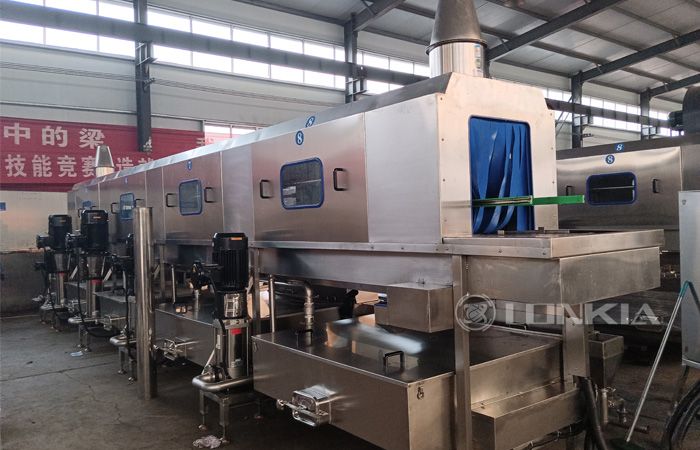
What is an 800 pcs/hour gas cylinder washing machine?
An 800 pcs/hour gas cylinder washing machine is a high-capacity, automated piece of equipment designed specifically for cleaning large quantities of gas cylinders quickly and thoroughly.
These machines can process up to 800 cylinders in a single hour—an output that’s nearly impossible to achieve manually without compromising on quality or safety.
The machine typically operates as part of a production or refilling line, seamlessly integrating cleaning into your workflow. By automating the process, it ensures consistent hygiene while reducing labor requirements and minimizing the risk of contamination or accidents.
Why gas cylinders require specialized cleaning
You might wonder: why can’t gas cylinders just be rinsed by hand or with a simple pressure washer? The answer lies in the specific demands of the industries that use them.
Common contaminants
Gas cylinders often accumulate:
Residual gas particles
Oil, grease, and dust from handling and storage
Moisture and microbial contaminants (especially in food-grade applications)
Left unchecked, these contaminants can compromise gas purity, create safety hazards, and even violate regulatory standards.
Industry standards and regulations
Many industries are governed by strict standards for cylinder hygiene. For example:
Food and beverage industries require equipment to comply with HACCP and FDA food safety standards (HACCP, FDA).
Medical gas cylinders must meet cleanliness levels outlined in national and international medical device standards.
Chemical processing often requires compliance with environmental and workplace safety regulations.
Challenges of manual cleaning
Hand-cleaning cylinders is:
Time-consuming
Inconsistent
Labor-intensive
Risky for workers handling chemicals or high-pressure containers
These drawbacks make automated washing machines the logical choice.
Key features of an 800 pcs/hour gas cylinder washer
So what makes these machines so effective? Here are their standout features:
High throughput efficiency
The headline feature is, of course, its ability to handle 800 cylinders per hour—making it suitable for high-volume operations that can’t afford downtime or slow cleaning cycles.
Multi-stage cleaning
Many machines use a series of cleaning steps to ensure thorough results:
Pre-rinse to remove loose debris
Detergent wash to break down grease and oil
High-pressure rinse to flush away contaminants
Optional drying stage to prevent moisture buildup
Automation and control
Modern machines come equipped with programmable logic controllers (PLCs) and user-friendly interfaces, allowing operators to adjust parameters and monitor performance in real-time.
Safety mechanisms
Features such as emergency stop buttons, overload protection, and automated shut-off ensure the safety of both the machine and operators.
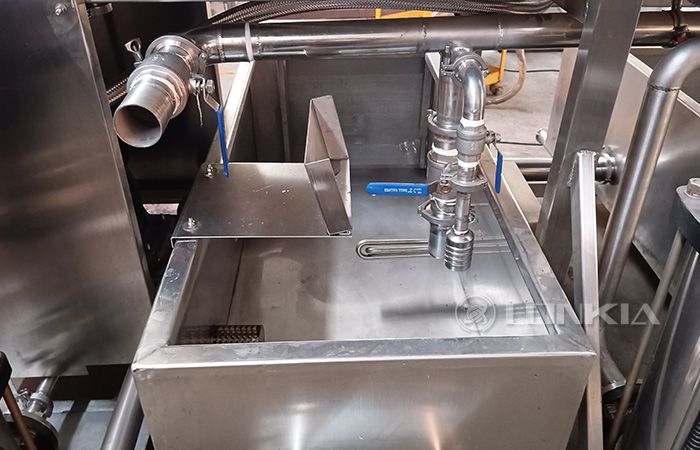
Benefits of using high-capacity gas cylinder washers
Why invest in one of these machines? The advantages are clear:
Time and labor savings
By automating cleaning, you free up your workforce for higher-value tasks. You also eliminate the bottleneck that manual cleaning often creates.
Improved hygiene and compliance
Consistent, thorough cleaning ensures that every cylinder meets hygiene and safety standards, reducing the risk of contamination and improving customer satisfaction.
Consistent quality
Because the process is automated and precisely controlled, you can expect uniform results every time.
Cost-effectiveness
Although the initial investment is higher than manual equipment, these machines save money in the long run by reducing labor costs, minimizing water and detergent use, and extending the life of your cylinders through proper maintenance.
Applications and industries that benefit
An 800 pcs/hour gas cylinder washer is versatile enough to serve a variety of industries, including:
Food and beverage
Cylinders used for carbon dioxide and other food-grade gases must be kept impeccably clean to avoid tainting food or drinks.
Medical gas suppliers
Medical oxygen and other gases require sterile containers to protect patient health.
Chemical plants
Where cylinders carry corrosive or hazardous substances, regular cleaning prevents buildup and cross-contamination.
Breweries and bottling facilities
Large-scale beverage production relies on fast, reliable cylinder cleaning to keep up with demand and maintain product quality.
How to choose the right gas cylinder washing machine
With so many machines on the market, how do you pick the right one? Here are some criteria to guide your decision:
Assess your production needs
Calculate how many cylinders you need to clean per shift. Machines range in capacity from a few hundred to over a thousand cylinders per hour—don’t under- or over-estimate.Consider space constraints
Measure the footprint available in your facility and make sure the machine can be installed comfortably without disrupting workflow.Energy and water efficiency
Look for models that recycle water and minimize electricity consumption. Over time, these savings add up.Ease of maintenance
Machines with accessible components, modular design, and good technical documentation are easier and cheaper to maintain.Manufacturer support
Choose a reputable manufacturer that offers strong after-sales support, spare parts availability, and training services.
Maintenance and best practices
Even the best machine won’t perform well if it’s neglected. Here are a few tips to keep your washer in peak condition:
Daily checks
At the end of each shift, clean the nozzles, empty filters, and inspect for leaks or blockages.
Weekly inspections
Check belts, bearings, and water quality. Replace worn parts before they fail.
Scheduled servicing
Follow the manufacturer’s recommended service intervals. A well-maintained machine lasts longer and costs less to operate.
Operator training
Invest in training your staff to use and care for the equipment properly. Human error is one of the biggest causes of premature wear and tear.
In today’s fast-paced industrial world, where safety, efficiency, and compliance are non-negotiable, an 800 pcs/hour gas cylinder washing machine is more than just a convenience—it’s a necessity.
By automating one of the most laborious and critical processes in your operation, you free up resources, reduce risk, and guarantee a level of cleanliness that manual methods simply can’t match.
If you’re looking to future-proof your operations, improve hygiene, and gain a competitive edge, investing in a high-capacity cylinder washer is a smart choice.
Have questions? Our team is here to help — contact us today for expert advice and a free consultation.