
Industrial peeling machines are essential in large-scale food processing facilities that handle vegetables such as potatoes, carrots, and beets. Maintaining these machines ensures consistent peeling quality, reduces waste, extends equipment lifespan, and enhances operational safety.
Neglecting regular maintenance can result in uneven peeling, excessive product loss, machine downtime, and potential safety hazards for operators. This guide focuses on the three main types of industrial peeling machines—abrasive, blade/knife, and steam or chemical peeling machines—providing detailed insights into common problems, troubleshooting steps, and maintenance practices.
By following these practices, food processing facilities can maintain high efficiency, meet hygiene standards, and optimize overall operational performance.
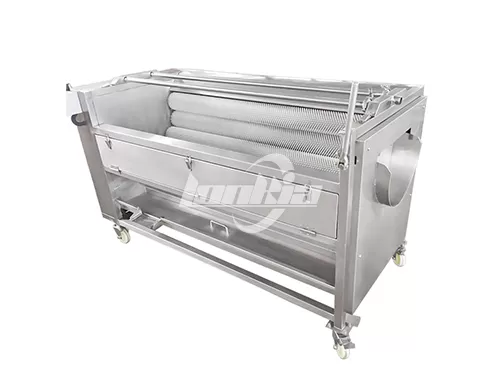
1. Abrasive Peeling Machines
Abrasive peeling machines use friction between abrasive surfaces and vegetables to remove the outer skin. They are most suitable for hard vegetables like potatoes, carrots, and sweet potatoes. The main advantages include high throughput, uniform peeling, and the ability to handle irregularly shaped vegetables.
Common Problems and Troubleshooting
Worn or Damaged Abrasive Surfaces
Over time, abrasive belts or rollers lose effectiveness, resulting in incomplete peeling or residual skin. To address this, regularly inspect abrasive surfaces, replace worn belts or rollers, and check for proper alignment before operation.Uneven Peeling
Uneven peeling may occur due to misaligned rollers, inconsistent vegetable sizes, or incorrect friction pressure. Adjust roller alignment and friction settings, and sort vegetables by size to achieve uniform results.Excessive Peel Loss
Over-peeling can happen if the rollers are too tight, machine speed is too high, or the abrasive material is not suitable for the vegetable type. Calibrate the machine to match the vegetable type and size, and monitor peel thickness during production.Machine Vibration or Noise
Worn bearings, imbalanced rollers, or loose bolts can cause vibration and noise. Inspect bearings regularly, tighten all fasteners, and ensure rollers are balanced and aligned correctly.
Maintenance Practices
Daily: Clean the peeling chamber and abrasive surfaces, remove peel residues, and lubricate bearings.
Weekly: Inspect roller alignment, check motor and drive components, and tighten bolts.
Monthly: Replace worn abrasive belts, deep-clean drum surfaces, and inspect the water spray system.
General: Maintain a maintenance log to track wear, replacements, and any operational anomalies.
By adhering to these routines, abrasive peeling machines maintain optimal performance, minimize waste, and extend service life.
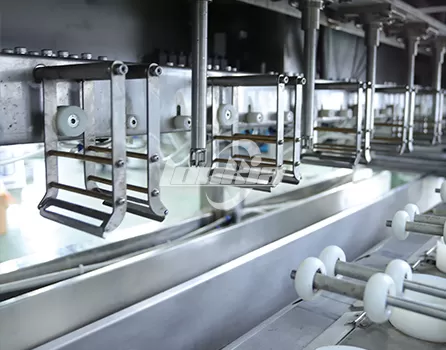
2. Blade / Knife Peeling Machines
Blade or knife peeling machines remove vegetable skins using rotating blades, making them ideal for soft vegetables and fruits like cucumbers, tomatoes, or peeled potatoes for French fries production. Blade machines are prized for their precision and minimal product loss, but their effectiveness depends heavily on blade condition and alignment.
Common Problems and Troubleshooting
Dull or Damaged Blades
Blades dull over time, leading to uneven peeling or residual skin. Regularly inspect blade sharpness, replace damaged blades, or sharpen them following manufacturer guidelines. Always align blades correctly before resuming operation.Blade Misalignment
Misaligned blades cause uneven peel thickness and can increase product waste. Adjust blade spacing and rotation alignment, ensuring consistent contact with vegetables.Mechanical Jamming or Noise
Stuck vegetable pieces, worn bearings, or gear misalignment may lead to jamming and unusual noise. Remove debris promptly, lubricate moving parts, and inspect bearings and gear systems for wear.
Maintenance Practices
Daily: Inspect blades, clean the cutting chamber, and lubricate bearings and moving parts.
Weekly: Check blade alignment, tighten fasteners, and inspect the drive system.
Monthly: Deep-clean all components, replace worn blades or mounts, and inspect safety devices.
General: Keep a log of blade usage and maintenance to anticipate wear and schedule replacements proactively.
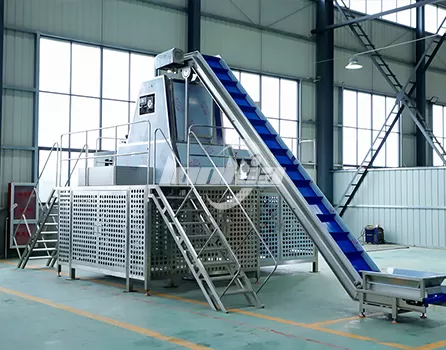
3. Steam / Chemical Peeling Machines
Steam and chemical peeling machines are widely used in large-scale industrial operations for vegetables such as potatoes, tomatoes, and other high-volume crops. Steam machines soften skins using high-temperature vapor, while chemical machines use mild alkali solutions. These systems enable high throughput, minimal mechanical damage, and efficient peeling of irregularly shaped produce.
Common Problems and Troubleshooting
Steam Supply Issues: Inconsistent steam pressure or blocked pipes can cause partially peeled vegetables. Inspect steam lines regularly, clean boilers, and verify pressure settings.
Chemical Concentration Variations: Incorrect chemical dosage or uneven mixing may lead to over- or under-peeling. Calibrate pumps, clean tanks, and maintain proper chemical concentration.
Pipe and Valve Blockages: Scale buildup or worn seals can reduce efficiency. Clean pipelines periodically and replace damaged components.
Uneven Peeling: Variations in vegetable size, improper exposure time, or clogged spray nozzles can cause inconsistency. Sort vegetables, adjust exposure settings, and maintain spray systems.
Maintenance Practices
Daily: Clean peeling chambers, chemical tanks, and spray nozzles. Monitor steam pressure and chemical levels.
Weekly: Inspect pipes, valves, and pumps; ensure all safety devices function properly.
Monthly: Test boiler efficiency, calibrate dosing equipment, replace worn seals, and deep-clean all systems.
General: Keep a log of chemical usage, steam parameters, and maintenance activities to anticipate wear and prevent downtime.
General Maintenance, Hygiene & Safety
Effective maintenance and hygiene practices are essential across all peeling machine types:
Scheduled Inspections: Daily, weekly, and monthly checks help detect wear early.
Operator Training: Staff should understand proper operation, cleaning, and minor troubleshooting techniques.
Use of Food-Grade Lubricants: Prevents contamination while ensuring smooth operation.
Hygienic Design and Cleaning: Machines with stainless steel surfaces, removable parts, and proper drainage simplify sanitation. Follow HACCP and GMP guidelines.
Safety Precautions: Ensure emergency stops, guards, and protective equipment are in place. Preventive measures reduce accidents and equipment damage.
Energy Efficiency & Emerging Trends
Industrial peeling machines increasingly incorporate energy-saving and automation technologies:
Water and Energy Optimization: Recirculate water, optimize pump speeds, and clean nozzles to reduce waste and energy consumption.
Automation and IoT Monitoring: Sensors track peeling quality, pressure, and throughput in real time.
Predictive Maintenance: Machine data can forecast wear or potential failure, minimizing unplanned downtime.
Eco-Friendly Operations: Steam and chemical systems are optimized to reduce chemical usage, water consumption, and environmental impact.
High-Speed, Precision Machines: Advanced systems improve throughput without compromising product quality.
Frequently Asked Questions (FAQ)
Q1: How often should blades or abrasive surfaces be replaced?
A: Typically every 3–6 months depending on usage, vegetable type, and machine intensity. Regular inspections help anticipate wear.
Q2: Can one machine handle different types of vegetables?
A: Yes, but adjustments to speed, pressure, or peeling settings may be necessary.
Q3: How can I reduce energy and water consumption?
A: Optimize motor and pump speeds, recirculate water, and clean nozzles to maintain efficiency.
Q4: What safety precautions are critical for operators?
A: Ensure emergency stops work, protective guards are installed, and operators wear gloves, eyewear, and appropriate clothing.
Q5: How do I prevent uneven peeling in steam or chemical machines?
A: Maintain consistent chemical concentration or steam pressure, ensure proper vegetable sorting, and clean spray nozzles regularly.
Q6: What is the difference between abrasive and blade peeling machines?
A: Abrasive machines are best for hard vegetables; blade machines are better for soft vegetables and fruits. Maintenance methods differ accordingly.