
Garlic is a staple in commercial kitchens and food manufacturing around the world. From seasoning sauces and snacks to making garlic pastes and oils, it's a must-have ingredient. However, peeling garlic by hand is not only time-consuming and laborious but also lacks consistency, which is particularly evident when handling hundreds of kilograms daily.That’s why the peeling garlic machine has become a game-changer in modern food production.
But when it comes to investing in one, there's an important question:
Should you choose a wet garlic peeling machine or a dry garlic peeling machine?
Each type offers unique benefits and trade-offs in terms of efficiency, hygiene, cost, and suitability for different production needs.
What Is a Peeling Garlic Machine?
A peeling garlic machine is a piece of industrial or commercial equipment designed to remove the outer skin of garlic cloves without damaging the inner flesh. These machines are built to handle garlic in bulk quantities and improve productivity compared to manual peeling.
Modern machines typically feature:
High-speed peeling systems
Stainless steel construction for hygiene
Adjustable settings for clove size and skin thickness
Low waste output
Easy cleaning and maintenance access
There are two main types in the market:
Wet garlic peeling machines
Dry garlic peeling machines
Understanding how they work—and what makes them different—is the first step to choosing the right solution.
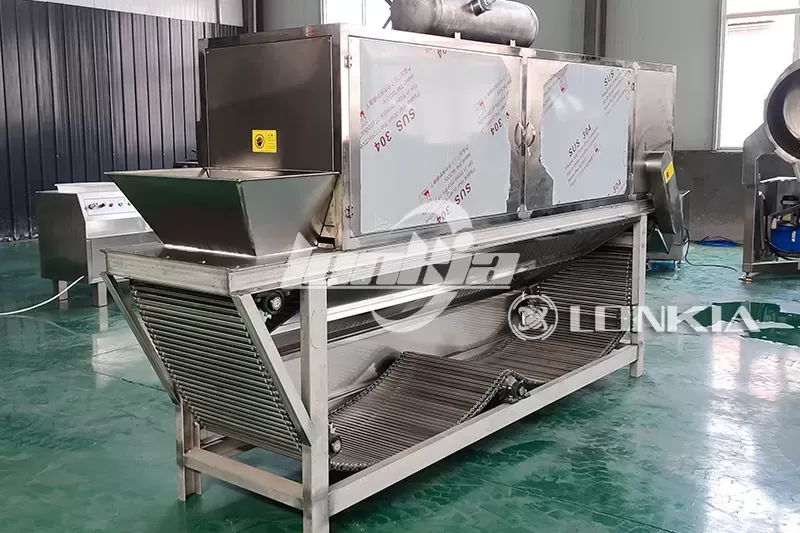
Overview of Wet Garlic Peeling Machines
How They Work
Wet peeling garlic machines use a water-based or steam-assisted method to soften the garlic skin before it's removed through rotating drums, rubber rollers, or brushes. The process often includes soaking garlic cloves or subjecting them to high-pressure water jets to loosen the peel.
Key Features
Pre-soaking or steam injection
Water-assisted friction peeling mechanism
Often includes a drying step after peeling
May include automatic feeding and discharge systems
Advantages
Gentle on delicate garlic varieties
Effective for fresh, moist, or sticky-skinned garlic
Lower chance of mechanical damage to cloves
Higher peeling rate for certain varieties
Limitations
Requires a significant water supply
May involve wastewater treatment or drainage
Slightly longer process time due to soaking
May affect shelf life if not properly dried post-peeling
Overview of Dry Garlic Peeling Machines
How They Work
Dry peeling garlic machines use compressed air or friction-based peeling to remove garlic skins without any water. A common dry technique is pneumatic peeling, where high-speed air flows loosen and blow off the garlic skins while cloves are rotated inside a chamber.
Key Features
Air compressor or friction cylinder mechanism
No water used in the process
Cloves remain dry throughout
Compact and clean operation
Advantages
No water usage = environmentally friendly and cost-saving
Faster processing speed in many models
Clean and dry garlic output—ideal for storage or direct use
Easy maintenance, less corrosion risk
Limitations
May be less effective for sticky or fresh garlic
Slightly higher mechanical wear and tear
Can damage soft or overripe cloves if not carefully adjusted
Requires stable air pressure and regular compressor upkeep
Wet vs Dry: Key Differences at a Glance
Choosing between a wet garlic peeling machine and a dry garlic peeling machine comes down to understanding their core operational differences. Here's a quick overview:
| Feature/Aspect | Wet Peeling Machine | Dry Peeling Machine |
| Peeling Method | Water or steam-assisted | Pneumatic or friction-based |
| Water Usage | High | None |
| Processing Speed | Moderate | Fast |
| Output Condition | Moist or semi-dry | Completely dry |
| Clove Damage Risk | Low | Moderate (depends on garlic type) |
| Maintenance Needs | More cleaning and drainage required | Easier to maintain |
| Hygiene Control | Needs water management | Cleaner and more compact |
| Cost of Operation | Higher (due to water and drying) | Lower over time |
| Suitable For | Fresh garlic with moist skin | Drier, firmer garlic types |
This snapshot shows how each type fits different production environments and garlic varieties.
Which Type Is Better for Your Operation?
Let’s break it down further based on several practical factors that influence your purchasing decision:
1. Production Scale
Small to medium processors with limited space and lower budgets may prefer dry peeling machines for their simplicity and ease of use.
Larger operations, especially in food factories or seasoning facilities, might benefit from wet peeling lines with automated feeding and drying systems.
2. Type and Condition of Garlic
If you primarily process fresh, sticky-skinned, or high-moisture garlic, wet machines are generally more effective at cleanly removing skin.
For dried, cured, or imported garlic, dry machines are more efficient and cause less damage.
3. Hygiene and Cleanroom Requirements
In GMP or HACCP-certified environments like spice or pharmaceutical processing, dry systems offer a cleaner, waterless solution that reduces microbial growth risk.
Wet machines may be used if followed by a proper drying and sterilization step.
4. Water Availability and Waste Treatment
In areas with limited water access or strict wastewater regulations, dry systems are a clear winner.
Wet machines may require investment in wastewater treatment equipmentor drainage infrastructure.
5. Desired Final Product Condition
If garlic is going directly into dry spice blends, powders, or vacuum packs, dry machines offer a better result.
If it's processed further in a wet cooking line or paste production, wet machines are acceptable.
Pros and Cons Comparison Table
To make your choice easier, here’s a side-by-side summary:
| Pros and Cons | Wet Peeling Machine | Dry Peeling Machine |
| Pros | - Gentle on cloves- Good for sticky skins- Higher peel quality for some garlic types | - No water needed- Clean and dry output- Easier to maintain- Fast throughput |
| Cons | - Uses water and may need drying- More cleaning- Environmental concerns | - May damage soft cloves- Less effective for sticky skins- Needs stable air pressure |
Common Applications by Industry
Different industries favor different types of garlic peeling machines based on production goals:
1.Prepared Food Manufacturers
Often use wet garlic peeling machines to prepare garlic for sauces, ready meals, and marinades.
2.Spice and Seasoning Factories
Prefer dry garlic peeling machines to ensure the cloves are dry for grinding or mixing.
3.Catering and Central Kitchens
Opt for compact dry peeling machines for speed, cleanliness, and small batch flexibility.
4.Pharmaceutical & Health Food Producers
Require sanitary, waterless peeling to maintain strict hygiene—favoring dry machines.
5.Frozen Garlic Producers
May use either type depending on whether garlic is peeled before freezing raw or after pre-processing.
Cost, Maintenance, and Operational Considerations
When choosing a peeling garlic machine, don’t overlook the total cost of ownership. Here’s what to consider beyond the purchase price:
Initial Investment
Dry machines are often more affordable upfront, especially for entry-level or semi-automatic models.
Wet machines may cost more due to the addition of water pumps, tanks, and dryers.
Maintenance
Dry machines need compressor maintenance and blade/air nozzle checks.
Wet machines require regular cleaning, scale prevention, and pipe sanitation.
Cleaning Time
Wet machines take longer due to water residue and potential biofilm.
Dry machines are faster to clean and more hygienic in dry-room settings.
Energy & Utility Use
Dry machines rely more on compressed air.
Wet machines require electricity, water, and sometimes heating elements for steaming or drying.
Which Peeling Garlic Machine Should You Choose?
The choice between a wet and dry peeling garlic machine ultimately depends on your production environment, product type, and long-term operational goals.
If your garlic is moist, sticky-skinned, or freshly harvested, and you're focused on premium peel quality, then a wet garlic peeling machine may serve you better—especially in high-volume applications.
On the other hand, if you're looking for a fast, dry, and hygienic process with minimal water usage and easier maintenance, a dry garlic peeling machine is likely the best option.
It’s also worth considering hybrid solutions or modular machines if your facility handles multiple types of garlic or processing stages. Don’t forget to evaluate after-sales service, spare parts availability, and compatibility with your existing garlic cutting or packing equipment.
Whether you’re in food production, seasoning manufacturing, or agricultural processing, investing in the right peeling garlic machine can greatly improve efficiency, consistency, and product quality.
FAQs: Peeling Garlic Machine Buying and Use
1. Can one garlic peeling machine handle both wet and dry garlic?
Most machines are optimized for one method. However, some advanced models offer hybrid features or interchangeable settings. Be sure to clarify with the supplier if you're working with both types of garlic.
2. Will the peeling machine damage the garlic cloves?
Not if used correctly. Wet machines are gentler on soft garlic, while dry machines need proper air pressure control. Always match the machine settings to the garlic variety you're processing.
3. How much garlic can a peeling machine process per hour?
Processing capacity ranges from 20 kg/hour for small tabletop units to over 500 kg/hour for industrial models. Choose based on your batch size and daily production needs.
4. Does a wet garlic peeling machine require water treatment equipment?
Yes, especially in regions with strict wastewater discharge regulations. It’s important to have proper drainage and filtration systems to manage the output water and prevent contamination.
5. How often should I clean a garlic peeling machine?
Daily cleaning is recommended for food safety, especially in wet machines. Dry machines also need regular cleaning to remove skin particles and maintain airflow efficiency.
6. What’s the average lifespan of a garlic peeling machine?
With proper maintenance, a quality peeling garlic machine can last 5 to 10 years. Look for models with durable materials (like 304/316 stainless steel) and access to spare parts.