
If you’re in the food manufacturing business or planning to start a new frozen snacks line, investing in a spring roll making machine can be one of the smartest decisions you’ll ever make. Whether you operate a small restaurant kitchen or manage a large-scale industrial facility, spring rolls remain a popular product across global markets — from Asia to Europe and the Middle East.
However, purchasing a spring roll machine is not as simple as comparing prices. There are significant differences in automation levels, capacity, construction materials, and after-sales support that can greatly affect your production efficiency and product quality.
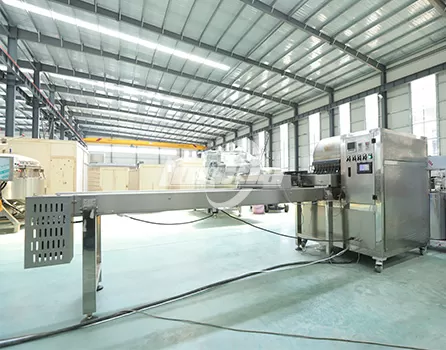
Why Use a Spring Roll Machine
Consistent Product Quality: Machines ensure uniform wrapping, thickness, and sealing of each roll — resulting in a professional, standardized look.
Increased Productivity: A well-calibrated automatic spring roll machine can produce thousands of rolls per hour, far beyond what a team of workers could achieve manually.
Reduced Labor Costs: Automation allows you to rely on fewer workers for higher output, lowering long-term operating expenses.
Enhanced Food Safety: Machines made of stainless steel and compliant with food-grade standards minimize contamination risks and simplify cleaning.
Scalability: Whether you’re producing for local sales or international export, spring roll machines allow you to easily scale your business as demand increases.
Types of Spring Roll Machines
Before purchasing, it’s essential to understand the main types of spring roll machines and how they differ in terms of automation, output, and functionality. The right choice will depend on your production goals, available space, and budget.
1. Manual and Semi-Automatic Machines
These models are ideal for small-scale businesses such as restaurants, catering services, and local food producers.
Manual machines require an operator to fill and wrap each roll, which ensures flexibility but limits speed.
Semi-automatic machines automate some steps — for example, forming the wrapper or sealing the roll — while still requiring manual loading of the filling.
They are more affordable (typically costing 20–40% less than fully automatic systems) and easier to maintain, making them suitable for startups or small kitchens.
Best for: Small to medium enterprises that prioritize cost-effectiveness and flexibility over maximum output.
2. Fully Automatic Spring Roll Machines
Fully automatic machines handle the entire process — from dough feeding, wrapper forming, filling, rolling, cutting, to counting — with minimal human intervention.
They use PLC control systems for precise operation and speed adjustment.
Production capacity can range from 2000 to 10,000 rolls per hour depending on the model.
Features such as adjustable wrapper thickness, filling volume, and roll length make them highly versatile for different product types.
Advantages:
High consistency and productivity
Lower labor cost per unit
Easy integration with other equipment like frying lines or freezing tunnels
Best for: Industrial-scale manufacturers and frozen food factories seeking stable, high-volume production.
3. Specialized Models by Function
Depending on your needs, you may encounter machines that specialize in certain steps of the process:
Spring roll wrapper machine: Focuses on producing thin and uniform wrappers, which can then be manually or mechanically filled.
Stuffing and rolling integrated machine: Performs both wrapper production and filling in one continuous line.
Cutting and packaging extensions: Some machines come with automatic cutting, counting, and stacking systems for seamless packaging operations.
Tip: For long-term growth, it’s wise to invest in modular designs that allow you to upgrade later — for example, adding a cutting or packing unit when production expands.
Comparison Table (for buyers’ quick reference)
| Type | Automation Level | Output (pcs/hr) | Ideal User | Price Range (USD) |
|---|---|---|---|---|
| Manual | Low | 300–500 | Small restaurants | 1,000–3,000 |
| Semi-Automatic | Medium | 1,000–3,000 | Startups / SMEs | 3,000–10,000 |
| Fully Automatic | High | 3,000–10,000+ | Industrial producers | 10,000–50,000+ |
Key Components and Technical Specifications
When comparing spring roll machines, don’t just look at the model name or brochure — focus on the core components that determine reliability, efficiency, and product quality.
1. Control System (PLC & Touchscreen)
A PLC (Programmable Logic Controller) is the “brain” of the machine. It ensures consistent timing and synchronization between different parts — such as dough spreading, filling, and rolling. A user-friendly touchscreen interface makes it easier to set speed, temperature, and product dimensions.
2. Motor and Drive System
The type of motor affects both precision and energy consumption.
Servo motors provide superior control and stability, especially important for consistent wrapper thickness.
Cheaper models may use asynchronous motors, which are less accurate but cost-effective.
Always check if the drive system supports variable speed control (via inverter).
3. Heating and Temperature Control
Wrapper cooking relies on precise heat distribution. High-quality machines use stainless steel heating drums with uniform temperature control to prevent uneven cooking or burning. Temperature sensors and thermostats help maintain consistency and save energy.
4. Conveyor and Rolling Mechanism
The conveyor belt must be made of food-grade, non-stick material (e.g., Teflon-coated or silicone). Look for systems that allow easy disassembly and cleaning. The rolling section should include adjustable pressure to handle different wrapper thicknesses and fillings.
5. Structure and Materials
All food-contact areas should be made of SUS 304 or 316 stainless steel, ensuring corrosion resistance and compliance with international food safety standards. Avoid machines with painted or low-grade steel components.
6. Electrical Safety & Sensors
Modern machines include sensors for automatic fault detection and emergency stop functions. Verify that the machine complies with CE, ISO, or local electrical safety standards.
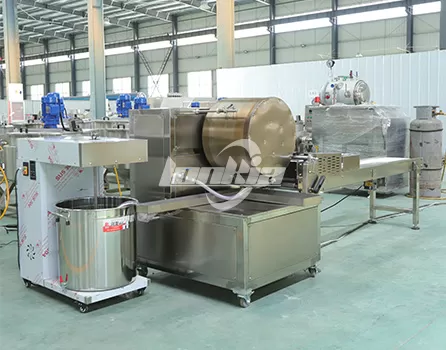
Capacity, Speed, and Quality Indicators
When evaluating a spring roll making machine, you should balance between capacity, speed, and product quality — the three most important metrics for any production line.
1. Production Capacity
Capacity is usually measured in pieces per hour (pcs/hr).
For small businesses, a capacity of 1,000–2,000 pcs/hr may be sufficient.
For industrial operations, look for machines capable of 5,000–10,000 pcs/hr or higher.
Remember, actual output may vary depending on filling viscosity, wrapper thickness, and operator skill.
2. Speed vs. Consistency
While a faster machine can boost output, excessive speed may cause uneven wrapping or bursting. The best equipment offers adjustable speed controls so you can balance quality with production goals. Testing the machine with your actual ingredients is always recommended before purchase.
3. Product Quality Tests
During a test run, check the following indicators:
Wrapper uniformity (same diameter and thickness)
Filling accuracy and even distribution
Sealing quality (no leakage or loose edges)
Appearance consistency across multiple batches
A reputable supplier will always allow a live or video demonstration of the machine using your preferred ingredients.
Materials, Build Quality & Food Safety
When it comes to food processing equipment, material quality is directly tied to hygiene, durability, and maintenance ease. A well-built machine can operate for years with minimal issues, while a poorly constructed one can lead to downtime, contamination, and costly repairs.
1. Stainless Steel Grade
Food-contact components should be made of 304 stainless steel.
For harsh cleaning chemicals or salty environments, 316 stainless steel offers higher corrosion resistance.
Avoid machines that mix stainless steel with painted iron frames — these are cheaper but prone to rust and bacterial buildup.
2. Welding & Surface Finish
Look for smooth welding joints and polished surfaces without sharp corners or gaps. These design details make cleaning faster and reduce contamination risks. Quality workmanship is a hallmark of reliable manufacturers.
3. Compliance & Certification
Check if the machine meets recognized food safety standards (such as CE, ISO 9001, or HACCP-compliant design).
For exporters, ask whether the equipment can meet FDA or EU food contact material requirements (avoid unverified claims; always request documentation).
4. Cleaning & Sanitation
Efficient cleaning design is essential. Choose machines with detachable hoppers, conveyors, and rollers for quick disassembly. A hygienic design minimizes downtime and maintains consistent food safety.
Choosing the Right Machine by Production Scale
Not every business has the same production goals. The ideal spring roll machine for a local catering shop will differ drastically from one used in a large frozen food plant. Understanding your production volume, available space, and investment budget will help you select the right model from the start — and avoid costly upgrades later.
1. Small-Scale Production
If your monthly output is below 10,000 rolls, a semi-automatic spring roll machine may be the best choice. It balances manual flexibility with mechanical precision.
Advantages: Lower cost, compact size, easy operation, minimal maintenance.
Limitations: Requires more manual handling, lower hourly output.
Typical users: Small restaurants, bakeries, catering businesses, or entrepreneurs testing new products.
2. Medium-Scale Production
For factories producing between 10,000–50,000 spring rolls per month, a fully automatic machine with integrated wrapping and filling is more efficient.
Advantages: Automated processes, consistent quality, and easy recipe adjustment.
Considerations: Requires trained operators and more regular maintenance.
Ideal for: Small food processing plants or businesses expanding to wholesale production.
3. Large-Scale / Industrial Production
If your operation runs continuously or exports frozen spring rolls in bulk, choose an industrial spring roll machine with high-speed output and modular expansion options.
Advantages: 24/7 operation, PLC control, high precision, integration with frying, cooling, and packaging lines.
Investment range: $25,000–$80,000 depending on automation level and brand.
Tip: Always consider supplier support and spare part availability for long-term reliability.
Pre-Purchase Checklist
Before signing a purchase contract, perform a thorough assessment. Here’s a buyer’s checklist to ensure you make a safe and profitable investment:
Machine Specifications
Confirm output capacity, roll size, and wrapper thickness range.
Verify compatibility with your recipe (filling texture, moisture, and oil content).
Trial Production
Ask for a live or recorded demonstration using your own ingredients.
Evaluate consistency, sealing quality, and speed during operation.
Material and Compliance
Ensure the machine is made from food-grade stainless steel (SUS 304/316).
Request CE, ISO, or local safety certifications.
Energy & Operating Cost
Compare power consumption (kWh) and gas requirements if applicable.
Estimate cost per 1,000 rolls to determine long-term profitability.
After-Sales Service
Clarify warranty terms (usually 12–24 months).
Confirm spare parts supply time and technical support channels (video, on-site, remote).
Customization Options
Check if the manufacturer supports different wrapper sizes or shapes.
Some suppliers offer dual-purpose machines for other pastry products — a good long-term advantage.
Payment and Delivery Terms
Review deposit requirements, lead time, shipment method, and training schedule.
Always ensure key performance indicators (KPIs) are written in the purchase contract.
Pro Tip: Convert this checklist into a printable PDF document — a professional supplier should be willing to review it with you before final confirmation.
Installation, Operation & Training
Once your machine arrives, proper installation and staff training are essential to achieving stable production.
Installation Requirements
Space: Allocate enough area for feeding, operation, and cleaning. Leave extra space around the machine for airflow and maintenance.
Utilities: Check required voltage (usually 220V or 380V), water drainage, and compressed air connections if needed.
Foundation: Ensure the floor is level and can bear the machine’s weight to avoid vibration.
Operator Training
A good supplier will offer on-site or remote training. Training should cover:
Safe startup and shutdown procedures
Recipe setup (adjusting wrapper thickness, filling speed, sealing pressure)
Cleaning and disassembly methods
Common troubleshooting routines
Well-trained operators can quickly identify small issues before they cause production downtime — saving you time and money in the long run.
Maintenance & Troubleshooting
Even the best automatic spring roll machines require routine maintenance. Preventive care not only extends the machine’s lifespan but also ensures consistent product quality.
Daily Maintenance
Clean hopper, rollers, and conveyor belts with warm water and mild detergent.
Remove leftover filling to avoid bacterial growth.
Inspect sensors and heating elements for residue or damage.
Weekly Maintenance
Check screws, belts, and bearings for looseness.
Lubricate mechanical parts using food-grade oil.
Inspect temperature sensors for accuracy.
Monthly / Quarterly Checks
Examine electrical connections and PLC modules.
Test emergency stop and safety switches.
Replace worn-out belts or seals.
Common Problems & Quick Fixes
| Issue | Possible Cause | Quick Solution |
|---|---|---|
| Wrapper uneven thickness | Incorrect temperature or dough consistency | Adjust heating drum temperature, modify dough ratio |
| Filling leakage | Overfilled hopper or weak sealing | Reduce filling speed, increase sealing temperature |
| Irregular roll length | Faulty cutter or sensor | Calibrate cutting unit, clean sensors |
| Wrapping not tight | Conveyor speed mismatch | Synchronize speed via PLC settings |
Tip: Always keep a small stock of essential spare parts — belts, seals, sensors — to avoid long downtime.
Supplier Evaluation & After-Sales Support
A spring roll machine is a long-term asset. Choosing the right supplier is as crucial as selecting the machine itself.
What to Look for in a Supplier
Experience & Reputation: Prefer manufacturers with proven export records and customer testimonials.
Demonstration Availability: Reliable suppliers will provide product videos, sample testing, or factory visits.
After-Sales Support: Fast technical response, spare parts availability, and maintenance training.
Documentation: Operation manual, wiring diagram, parts list, and warranty certificate should all be included.
Pro Tip: Always evaluate how quickly a supplier replies to technical questions during the negotiation phase — it’s often a sign of how responsive they’ll be after purchase.
Frequently Asked Questions (FAQ)
Q1: How long can a spring roll machine last?
With regular maintenance, a high-quality spring roll machine can run for 8–10 years or more. Durability depends on build materials, operating hours, and care.
Q2: Can the same machine handle different fillings?
Yes, most modern machines can process vegetable, meat, or mixed fillings. However, highly oily or watery fillings may require nozzle adjustments or custom hoppers.
Q3: What is the difference between a spring roll and lumpia machine?
They are essentially the same in structure; “lumpia” is the Filipino version of spring rolls. Machines can usually handle both by adjusting wrapper thickness and roll length.
Q4: How much space does a machine require?
A semi-automatic model may need as little as 2–3 square meters. Industrial models require 8–15 square meters plus working space for operators and cleaning access.
Q5: What kind of training is provided?
Good suppliers offer installation guidance, recipe calibration, and basic maintenance training — either on-site or through detailed video tutorials.