
In modern industrial operations, hygiene and efficiency are inseparable. Whether you are running a fresh produce packhouse, a dairy facility, or a logistics hub, reusable crates and containers are at the core of daily operations. However, without effective cleaning, these crates can quickly become a source of contamination, inefficiency, and unnecessary costs.
This is where the crate washing machine plays a vital role. Importantly, crate washing machines are not limited to one niche. From food and beverage manufacturing to agriculture, retail distribution, and catering, they have become an indispensable part of operations wherever crates are reused.
1.Common Types of Crate Washing Machines:
- Tunnel-type washers: Crates move through a conveyor tunnel with multiple cleaning stages (pre-wash, wash, rinse, sanitizing).
- Rotary or batch washers: Suitable for smaller volumes and versatile washing needs.
- Customized solutions: Tailored for specific industries (e.g., meat processors need high-pressure hot water with sanitizer dosing).
While designs vary, the core principle is consistent: automated washing delivers consistent cleanliness, higher throughput, and compliance with hygiene regulations compared to manual washing.
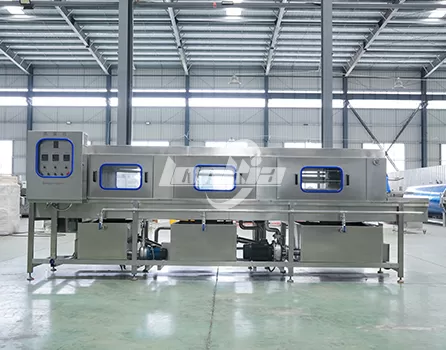
2. Common Benefits Across Industries
Although each sector has its own unique challenges, businesses across food, agriculture, and logistics share several universal benefits when using crate washing machines:
2.1 Hygiene and Food Safety
Crates often carry perishable or contamination-prone products such as vegetables, fish, or dairy. If not properly cleaned, bacteria, mold, and allergens can spread between batches. Automated washers use controlled water temperature, detergents, and sanitizers to ensure crates meet safety standards like HACCP, FDA, or EU regulations.
2.2 Efficiency and Labor Savings
Manual washing requires multiple workers, consumes excessive water, and often leads to inconsistent results. A crate washing machine replaces repetitive manual tasks with an automated, consistent process, allowing staff to focus on higher-value activities.
2.3 Cost Optimization and Sustainability
Industrial washers are designed with water recycling systems, energy-efficient heating, and detergent dosing control, significantly reducing operating costs. Over time, this lowers the total cost of ownership while also helping businesses meet sustainability goals.
2.4 Extended Equipment and Crate Lifespan
Proper washing prevents residue buildup, odor retention, and surface damage to crates. This not only extends crate life but also protects expensive production equipment from cross-contamination risks.
3. Applications by Industry
3.1 Food Processing (Fresh Produce & Packhouses)
In fresh produce packhouses, crates are used daily to transport items such as lettuce, apples, bananas, and tomatoes. These crates frequently come into direct contact with soil, pesticides, and organic matter. Manual cleaning is labor-intensive and often leaves residues behind.
Challenges:
Soil and mud embedded in crate corners.
Residues of pesticides or fertilizers.
Large quantities of crates to be turned around daily.
How a Crate Washer Helps:
High-pressure water jets dislodge soil and organic debris effectively.
Optional chemical dosing ensures removal of pesticide residues.
Tunnel washers can handle hundreds or thousands of crates per hour, supporting large-scale packhouses.
Key Benefits:
Reduced microbial load → compliance with fresh produce export standards.
Improved efficiency during harvest peaks.
Enhanced brand reputation by delivering cleaner packaging to retailers.
3.2 Meat & Poultry Processing
Meat and poultry plants rely heavily on reusable crates to transport raw cuts, byproducts, and packaging materials. These crates are particularly prone to contamination by fats, blood, and proteins, making them a high-risk source of foodborne pathogens if not properly cleaned.
Challenges:
Sticky protein films that are difficult to remove.
Potential contamination from Salmonella or Listeria.
Strict hygiene audits from regulatory authorities.
How a Crate Washer Helps:
Hot water cycles (60–85°C) combined with detergent dissolve fats and proteins.
Final sanitizing stage with disinfectant or UV ensures pathogen elimination.
Automated systems integrated into conveyor lines maintain continuous production flow.
Key Benefits:
Full compliance with HACCP and USDA/EU food safety regulations.
Reduction in labor costs for manual scrubbing.
Lower risk of product recalls due to cross-contamination.
3.3 Seafood & Fish Processing
Seafood plants handle crates that transport fish, shellfish, and other marine products. The biggest challenge here is the combination of strong odors, sticky scales, and salt deposits.
Challenges:
Persistent fish odor absorbed into plastic crates.
Salt residue leading to corrosion or surface damage.
Continuous crate turnover needed for fresh exports.
How a Crate Washer Helps:
Specialized detergent dosing neutralizes odor-causing residues.
Machines designed with salt-resistant stainless steel (316L) for durability.
Fast wash-and-dry cycles keep production moving during peak hours.
Key Benefits:
Odor-free crates maintain product freshness and quality perception.
Reduced corrosion extends crate and machine life.
Compliance with strict hygiene requirements for export seafood markets (e.g., EU, Japan, U.S.).
3.4 Dairy & Beverage Production
In dairy operations, crates are used for milk bottles, yogurt cups, and cheese packaging. Even small residues of milk can harbor bacterial growth if crates are not properly sanitized. In beverage bottling plants, crates handle glass bottles, PET containers, or cans.
Challenges:
Milk residues encourage rapid bacterial growth.
Sticky residues from juices, sodas, or syrups.
Large crate volumes in continuous bottling lines.
How a Crate Washer Helps:
Multi-stage washing with hot water and sanitizers removes milk fats and sugars.
Adjustable washing settings handle different crate types (bottle crates, transport bins, trays).
Optional air drying prepares crates for immediate reuse in filling lines.
Key Benefits:
Assures hygienic transport of dairy and beverage products.
Reduces product spoilage and microbial risks.
Supports smooth bottling and distribution without delays.
3.5 Breweries & Wineries
Breweries and wineries depend on reusable crates for bottle handling and grape harvesting. Hygiene lapses here can lead to fermentation issues or contamination of premium beverages.
Challenges:
Dust, sticky beer residues, and yeast buildup in bottle crates.
Mud and plant matter in grape harvest crates.
High seasonal demand requiring fast crate turnaround.
How a Crate Washer Helps:
High-pressure washing removes yeast films and sticky residues.
Sanitation cycles reduce risk of wild yeast contamination.
Systems designed for seasonal flexibility can handle increased volumes during harvest.
Key Benefits:
Better product quality and fewer fermentation problems.
Crates ready for reuse in shorter cycles.
Improved compliance with hygiene standards in beverage production.
3.6 Agriculture & Farms
On farms, crates are essential for harvesting, transporting, and storing crops such as potatoes, carrots, or leafy greens. These crates are often heavily soiled with mud, fertilizer, or plant debris.
Challenges:
Heavy soil loads clogging crate corners.
Fertilizer and pesticide residues.
Labor shortages during harvest make manual washing impractical.
How a Crate Washer Helps:
Pre-wash cycles dislodge soil and debris before main wash.
Efficient cleaning ensures crates are safe for reuse in food chains.
Large-capacity washers support farm cooperatives and central packhouses.
Key Benefits:
Streamlined post-harvest operations.
Reduced labor dependency in peak seasons.
Enhanced food safety for farm-to-market supply chains.
3.7 Logistics, Warehousing & Retail Distribution
Crates are widely used in cold chains, supermarket supply, and third-party logistics. Unclean crates in this context can damage brand image or even cause contamination across product categories.
Challenges:
Dust and dirt from transportation.
Cross-use of crates for different product categories.
High throughput requirements in 24/7 operations.
How a Crate Washer Helps:
Standardized cleaning ensures consistent results across hundreds of crates per hour.
Compact models available for integration in distribution centers.
Machines can be combined with pallet washers for a complete logistics cleaning solution.
Key Benefits:
Improved brand reputation with consistently clean transport crates.
Greater crate durability for long-term reuse.
Lower total operating costs by reducing replacement needs.
3.8 Central Kitchens & Catering
Large-scale kitchens (airlines, hospitals, schools, catering companies) rely on crates to move meals, ingredients, and utensils. Hygiene here directly affects public health.
Challenges:
Food residues from pre-cooked meals or ingredients.
Fast turnaround required between meal service cycles.
Strict compliance with health inspection standards.
How a Crate Washer Helps:
Rapid wash-and-sanitize cycles prepare crates for immediate reuse.
Consistent cleaning results across all crate types (ingredient bins, utensil trays).
Compact systems fit into kitchen facilities with limited space.
Key Benefits:
Reliable compliance with public health regulations.
Reduced staff burden in already busy kitchens.
Enhanced efficiency in large-scale meal preparation.
4. Future Trends and Evolving Applications
As industries continue to evolve, crate washing machines are adapting to new demands:
- Automation & Smart Monitoring: IoT-enabled washers can track water usage, temperature, and sanitation levels in real time.
- Sustainability: Greater emphasis on water and energy recycling to align with corporate ESG goals.
- Cross-Industry Growth: Adoption expanding into e-commerce cold chain and pharmaceutical logistics, where hygiene is critical.
These innovations suggest that crate washing machines will become even more essential, not only for food-related industries but also for any sector relying on reusable containers.
5. Conclusion
Crate washing machines are no longer optional—they are strategic assets across food processing, agriculture, beverages, logistics, and catering. By ensuring hygiene, improving efficiency, and reducing operating costs, they directly contribute to business performance and consumer safety.
If your operations involve reusable crates, investing in the right washing solution tailored to your application scenario can deliver long-term value.
Looking for the best solution for your industry? Contact our team today for customized crate washing machine recommendations and demonstrations.