
Establishing a garlic peeling production line is a major investment that shapes long-term operational capability, product consistency, and overall processing quality. For many processors—whether expanding an existing facility or building a new one—the challenge is understanding what truly matters before committing to a full production line. This article explores the essential considerations step by step, focusing on structural, functional, and workflow-related factors that help buyers make informed decisions.
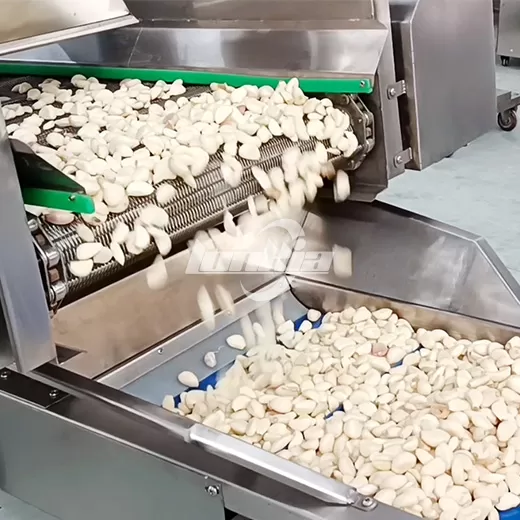
1. Understanding What a Garlic Peeling Production Line Actually Involves
Before evaluating equipment or planning an installation, it is essential to understand what “a garlic peeling production line” means in practical terms. A complete line is not a single machine but a coordinated system where multiple units work together to transform raw garlic bulbs into clean, peeled cloves ready for downstream processing or packaging.
A typical garlic peeling line includes a sequence of stages such as:
Cleaning
Bulb separation
Peeling
Sorting or inspection
Final handling and packaging
Each stage performs a distinct function, and each influences the performance of the next. A deficiency in one area frequently introduces bottlenecks or inconsistencies further along the process.
2. The Internal Workflow of a Garlic Peeling Line
To evaluate a production line intelligently, it is essential to visualize how garlic moves through the system. The internal workflow is linear but influences extend backward and forward at every stage.
2.1 Raw Garlic Intake and Pre-Cleaning
The process begins with receiving raw garlic, which often arrives with soil, dust, or loose outer layers. The pre-cleaning stage prepares the bulbs for mechanical processing, ensuring that debris does not interfere with downstream equipment.
2.2 Bulb Segmentation
Before peeling, garlic bulbs must be divided into individual cloves. This step determines how evenly and efficiently cloves enter the peeling stage.
2.3 Controlled Peeling Stage
Peeling removes the dry husk while preserving the natural form of the clove. The performance of this stage depends heavily on:
The condition of cloves entering the peeling machine
The consistency of pre-processing steps
The synchrony between peeling and post-processing
2.4 Sorting, Inspection, and Final Handling
Following peeling, the product may require manual or automatic inspection to ensure uniformity and cleanliness. This stage determines final product quality before packaging or further processing.
Understanding the workflow allows future operators and processors to identify what to look for in equipment behavior, coordination, and reliability.
Further reading: How a Garlic Peeling Production Line Works: Key Processes and Equipment Explained
3. Factors That Influence the Configuration of a Production Line
Not all garlic peeling lines are built the same. Multiple elements determine how a line should be structured, and recognizing these elements helps processors understand why certain configurations differ.
3.1 The Nature of Raw Garlic Being Processed
Garlic varies significantly by origin, size, moisture content, and physical hardness. These natural differences influence how cloves move through cleaning, separation, and peeling stages.
3.2 Desired Output Format
Some processors focus on peeled cloves; others require sorted, portioned, or minimally processed output. The targeted end product determines:
Which machines are essential
How the workflow should be arranged
Whether additional inspection or sorting stages are needed
3.3 Integration With Upstream or Downstream Operations
A garlic peeling line may connect to:
Pre-washing systems
Cutting or slicing equipment
Sterilization or drying units
Large-scale packaging systems
Understanding integration needs helps ensure that the chosen line fits seamlessly into broader operations.
3.4 Space Allocation and Facility Layout
Physical space directly affects:
Machine orientation
Workflow direction
Material flow efficiency
Recognizing spatial constraints early avoids complications during installation.
4. Technical Considerations That Matter Before Investing
Beyond understanding the workflow and components, it is crucial to develop a clear view of the technical aspects that influence how a garlic peeling production line performs in daily operation. These factors do not involve equipment selection parameters but instead focus on how the system behaves under real-world processing conditions.
4.1 Internal Stability and Processing Consistency
A production line should be able to maintain stable processing conditions even when raw materials vary. Garlic characteristics change with:
Harvest season
Storage duration
Environmental humidity
Regional agricultural practices
A well-designed line minimizes fluctuations that could disrupt peeling performance or product uniformity.
4.2 The Coordination Between Multiple Machines
Each machine influences the next. Washing affects separation, separation affects peeling, and peeling affects inspection. Smooth transitions between machines reduce interruptions and maintain workflow continuity.
4.3 Handling of Product Flow
Material flow must remain controlled throughout the line. A sudden surge, slowdown, or accumulation of cloves in any segment can disrupt the peeling rhythm. Understanding how each machine regulates product movement helps identify potential weak points.
4.4 Adaptability to Processing Conditions
Facilities often operate in environments where temperature, humidity, or raw material characteristics may shift. Equipment should demonstrate adaptability—not through features or settings, but through stable inherent design principles that support reliable performance in varying conditions.
5. Understanding Operational Requirements
Investing in a production line requires a realistic understanding of operational conditions—not merely the machine’s capabilities but the practical realities of continuous use.
5.1 Labor Involvement Throughout the Workflow
Even an automated line typically requires:
Raw material feeding
Visual inspection or defect removal
Cleaning and sanitation
Routine checks during operation
This ensures the system remains stable and that garlic moves correctly through each processing stage.
5.2 Facility Infrastructure
A garlic peeling line functions as part of a larger operational ecosystem. Key considerations include:
Internal logistics paths for receiving and dispatch
Water availability for washing and cleaning processes
Suitable drainage systems
Proper ventilation or air circulation
These environmental and infrastructural aspects influence how efficiently the line can operate daily.
5.3 Maintenance and Accessibility
All mechanical systems require regular upkeep. Without discussing specific maintenance methods, it is important to recognize that:
Machines must allow internal access for cleaning
Moving components need periodic inspection
Workflow must include planned downtime
A realistic understanding of these requirements helps processors anticipate operational routines.
6. Long-Term Reliability and Sustainability
A garlic peeling production line is not a short-term asset. The long-term behavior of the system is key to sustaining stable processing capability.
6.1 Structural Durability
The physical design of machines—including their internal build quality and mechanical stability—affects how long they can operate under repeated use. Garlic processing involves constant movement, friction, and contact between materials, which adds mechanical stress.
6.2 Mechanical Behavior Over Time
Machines experience wear as they operate. Subtle shifts may occur in:
Vibration
Alignment
Internal friction
Load distribution
Understanding the long-term mechanical behavior of the system helps processors anticipate how the line performs after extended periods of operation.
6.3 Operational Predictability
A production line must deliver repeatable results. Predictability across days, weeks, and seasons supports consistent production planning and minimizes disruptions to downstream operations such as packaging or distribution.
6.4 Sustainability Through Efficient Use of Resources
Sustainability is not just an environmental concept; it also involves operational practicality. A production line that uses resources responsibly—whether water, energy, or space—helps processors maintain long-term efficiency without overexerting facility infrastructure.
7. How to Evaluate Documentation and Compliance
Before committing to a large-scale production system, processors benefit from confirming that the line aligns with industry standards, documentation practices, and processing requirements.
7.1 Clarity of Technical Documentation
Proper documentation should provide:
Process flow descriptions
Layout examples
Operational guidelines
Maintenance information
Clarity in documentation indicates that the system is designed for real-world usability and operational transparency.
7.2 Compliance With Processing and Handling Standards
While specific regulations vary by region, garlic processors should confirm that the production line supports standard hygiene and handling practices. Compliance ensures that the system aligns with the expectations of the food-processing environment.
7.3 Traceability and Process Transparency
A production line should enable:
Clear tracking of product movement
Easy identification of processing stages
Internal visibility into workflow behavior
Traceability allows processors to monitor quality and maintain accountability throughout the production sequence.
7.4 Supporting Materials for Installation and Integration
Good documentation also includes insights into installation planning and connection with other facility systems. This allows processors to understand spatial requirements, workflow pathways, and infrastructure demands before installation begins.