
Large-scale onion processing is far more complex than simply peeling or cutting onions at home. High production volumes, strict hygiene regulations, and the need for consistent finished products require a systematic approach supported by specialized industrial equipment. Whether a facility produces peeled onions, diced onions, onion rings, purees, dehydrated products, or ready-to-cook ingredients, efficiency depends heavily on selecting the right machines for each processing stage.
Modern onion processing equipment helps factories solve core challenges, such as improving labor efficiency, reducing material waste, controlling microbial risks, ensuring product uniformity, and maintaining continuous workflow. Before building or upgrading a production line, manufacturers must understand what each machine does, how the equipment works together, and how choices impact long-term operational costs.
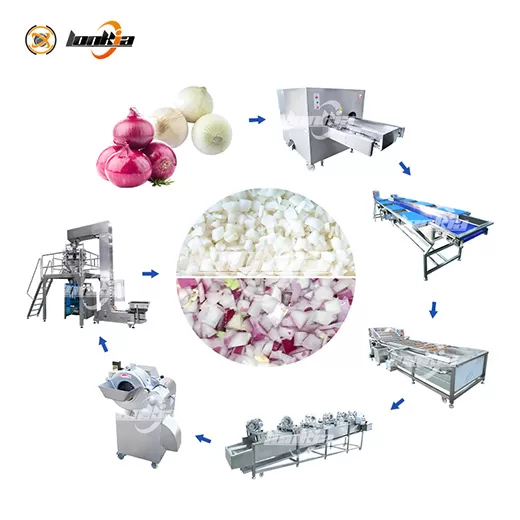
1. Pre-Processing and Raw Material Handling Equipment
Pre-processing ensures that raw onions enter the line in good condition, free from soil, stones, and debris. Effective preparation directly affects peeling efficiency, cutting accuracy, and overall yield.
1.1 Onion Receiving and Grading Systems
These systems help organize large batches of onions right from the start. They typically include receiving conveyors, sorting belts, and mechanical grading units.
Why they matter:
Improve workflow by separating onions based on size and quality
Prevent bottlenecks in later stages
Reduce the manual labor needed for sorting
Support continuous production rather than batch-based operations
Accurate grading ensures downstream equipment—especially peeling and cutting machines—operates at optimal efficiency.
1.2 Dirt Removal and Dry Cleaning Equipment
Before water washing, dry cleaning units remove soil, loose skins, and external debris. Common machines include drum cleaners, brush rollers, and air-blowing separators.
Operational benefits:
Minimize contamination risks
Reduce water consumption in later washing stages
Protect machines from abrasive particles that cause wear
For operations processing field-harvested onions, effective dry cleaning is especially important.
2. Washing and Surface Preparation Equipment
Once the onions are initially cleaned, gentle washing systems remove deeper soil and contaminants without damaging the product.
2.1 Onion Washing Machines
Common technologies:
Bubble washers
Spray washers
Drum-style washers
Functions and advantages:
Remove mud, sand, roots, and pesticide residues
Improve hygiene conditions before peeling or cutting
Help achieve consistent processing quality
A well-designed washing system balances cleaning intensity with product protection to avoid bruising or premature layer separation.
2.2 Inspection and Manual Trimming Conveyors
Even in automated environments, inspection conveyors remain critical for quality control.
What they provide:
Visual inspection to identify decayed bulbs, oversized roots, or defects
Removal of unsuitable raw materials before entering high-value machinery
A final check that reduces stoppages later in the line
For large-scale factories, ergonomic conveyor design improves operator comfort and reduces repetitive-task fatigue.
3. Onion Peeling Equipment for High-Volume Production
Peeling is one of the most labor-intensive steps if done manually. Industrial peeling equipment automates the process to maintain speed and accuracy.
3.1 Mechanical and Pneumatic Onion Peelers
Modern onion peeling machines use a combination of cutting blades, airflow, and friction to remove outer skins with minimal loss.
Key benefits in industrial settings:
High throughput for continuous processing
Reduced dependency on manual labor
Lower product waste compared to traditional methods
Consistent peel quality improves downstream cutting results
Peeling performance directly affects yield and overall production costs, making the right machine extremely important for large facilities.
3.2 Root Cutting and Top Trimming Machines
Many production lines integrate root-cutting systems before or after peeling.
Why they are useful:
Ensure uniform onion shape for slicing or dicing
Reduce manual trimming time
Improve machine compatibility in automated lines
These systems help maintain standardized product dimensions, especially for ready-to-eat and foodservice products.
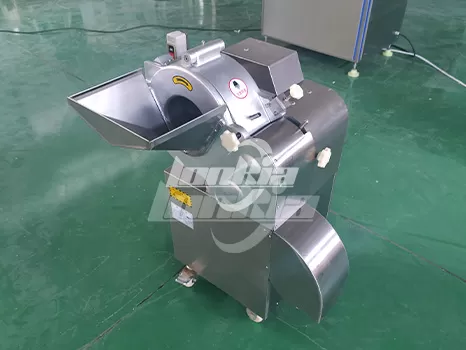
4. Cutting, Dicing, and Slicing Equipment
Once peeled and trimmed, onions move on to processing based on the final product requirement. Cutting systems must be precise because even slight inconsistencies affect cooking performance, packaging, and customer satisfaction.
4.1 Onion Dicers for Cubes and Granules
Industrial dicers utilize rotary knives and precise feed mechanisms.
Operational advantages:
Uniform cube sizes for soups, sauces, and frozen foods
Adjustable cutting blocks for flexible production
High accuracy reduces reprocessing and waste
Uniformity is especially important for food manufacturers that require consistent cooking times.
4.2 Onion Slicers for Rings and Strips
For products such as onion rings, burger toppings, or dried slices, slicers are essential.
What they deliver:
Clean, even cuts without crushing the onion
Smooth surface quality that enhances frying or dehydration results
Compatibility with a wide range of onion sizes
Different blade configurations help factories shift between applications with minimal downtime.
5. Cryogenic, Thermal, and Dehydration Processing Equipment
After cutting or slicing, many large-scale processors transform onions into shelf-stable or value-added products. This requires specialized systems that manage temperature, moisture, and microbial stability.
5.1 Blanching Systems for Color and Enzyme Control
For frozen or dehydrated onion products, blanching is often a necessary step.
Functions and advantages:
Inactivate enzymes responsible for discoloration
Improve texture for freezing or drying
Reduce microbial load before long-term preservation
A consistent blanching process helps processors maintain predictable product behavior during storage and cooking.
5.2 Air-Drying and Dehydration Equipment
Industrial dehydration systems—such as belt dryers, continuous airflow dryers, or low-temperature dehydration tunnels—are essential for producing dehydrated flakes, powders, and granules.
Why dehydration equipment matters for large-scale operations:
Stable, long shelf life reduces storage and shipping costs
Dehydrated onions retain flavor while removing moisture
Uniform drying minimizes batch variability
The ability to precisely control airflow and temperature is crucial for achieving consistent moisture content.
5.3 Freezing Equipment for Fresh-Cut and Ready-to-Cook Products
Producers of frozen onion cubes, strips, and rings rely on freezing technology to lock in freshness.
Common equipment includes:
IQF (Individual Quick Freezing) tunnels
Spiral freezers
Blast freezers
Operational benefits:
Prevent clumping and maintain product separation
Retain natural flavor, aroma, and color
Support high-speed downstream packaging
Freezing equipment plays a key role in supplying foodservice chains and ready-meal manufacturers.
6. Packaging Solutions for Processed Onion Products
Efficient packaging is critical for maintaining product quality, extending shelf life, and ensuring safe transportation. Different types of onion products require different packaging approaches.
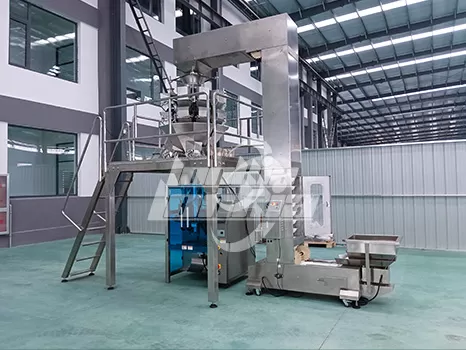
6.1 Fresh-Cut Product Packaging Machines
Fresh produce must be protected from dehydration, oxidation, and contamination.
Typical systems:
Vertical form-fill-seal (VFFS) machines
Tray sealing machines
Vacuum packaging units
Key advantages:
Maintains freshness and appearance for retail distribution
Protects products during storage and shipment
Supports labeling and traceability requirements
Packaging choices can significantly impact shelf life and product safety.
6.2 Packaging for Dehydrated and Powdered Onions
Dry products require moisture-proof containment.
Common equipment includes:
Multihead weighers with bagging systems
Auger fillers for powders
Automatic pouch sealing machines
Moisture and oxygen-barrier materials are essential to prevent clumping and preserve flavor.
6.3 Bulk Packaging for Foodservice and Industrial Use
Large-scale processors supplying restaurants or factories often use bulk packaging equipment.
Benefits:
Reduced per-unit packaging cost
Faster logistics and palletizing
Improved operational efficiency for high-volume clients
Bulk packaging systems are especially relevant for peeled onions, frozen cubes, and industrial ingredients.