
Residues from raw materials, moisture accumulation, and improper cleaning practices can turn bins into carriers of bacteria, allergens, and foreign matter. Manual washing or simple rinsing methods often fail to deliver consistent hygiene outcomes, especially in high-throughput environments.
This is where washer bin systems become essential. Far from being auxiliary equipment, washer bin solutions play a foundational role in maintaining hygiene integrity, protecting product safety, and ensuring regulatory compliance across food processing and packaging operations.
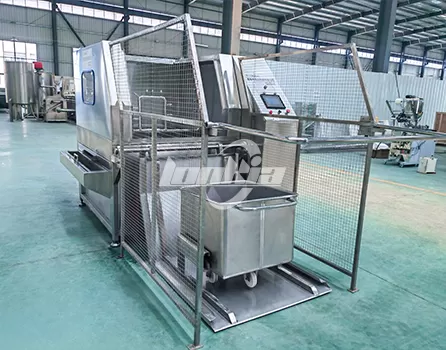
What Is a Washer Bin?
A washer bin is an industrial cleaning system designed specifically for washing reusable bins, totes, crates, and containers used in food production and packaging environments. Unlike general-purpose dishwashers or tray washers, washer bin systems are engineered to handle larger volumes, heavier contamination loads, and standardized container formats.
Core Functions of a Washer Bin System
Removal of food residues, fats, proteins, and sugars
Reduction of microbial load through thermal or chemical sanitation
Consistent cleaning results independent of operator skill
Preparation of bins for safe reuse within the production flow
Washer bins are typically used for:
Plastic ingredient bins
Bulk handling containers
Packaging totes
Intermediate storage boxes
Their role is not cosmetic cleaning, but process hygiene control.
Why Manual or Inconsistent Bin Cleaning Fails in Food Plants
Many facilities rely on manual cleaning, pressure hoses, or ad-hoc washing stations for bins. While these approaches may appear cost-effective initially, they introduce several systemic risks.
Common Problems with Manual Bin Washing
Inconsistent cleaning quality between operators and shifts
Inadequate removal of dried or sticky residues
Excessive water consumption without controlled sanitation
High labor demand and ergonomic risks
Lack of traceability or validation for hygiene audits
From a food safety perspective, variability is the enemy. Washer bin systems replace variability with controlled, repeatable processes, which is why they are increasingly considered a baseline requirement rather than an upgrade.
How Washer Bin Systems Work
Although designs vary, most washer bin solutions follow a multi-stage process that combines mechanical action, chemistry, temperature, and time—the four fundamental factors of effective cleaning.
1. Loading and Positioning
Bins are loaded manually or automatically onto a conveyor or into a washing chamber. Proper positioning ensures spray coverage reaches all internal and external surfaces.
2. Pre-Rinse or Debris Removal
A pre-rinse stage removes loose food particles and reduces the soil load before detergent washing. This stage often uses filtered, recirculated water to improve efficiency.
3. Main Wash Stage
The main wash applies heated water mixed with detergent through high-impact spray nozzles. This stage targets:
Oils and fats
Protein residues
Starch and sugar buildup
Water pressure, temperature, and exposure time are precisely controlled to ensure consistent results.
4. Rinse and Sanitizing
Clean water rinses away detergent residues. In many food plants, this stage also provides:
Thermal sanitization using hot water
Chemical disinfection where regulations permit
5. Optional Drying
Some washer bin systems include air knives or forced-air drying to reduce surface moisture before bins return to production or storage.
Batch vs Continuous Washer Bin Systems
Washer bin solutions generally fall into two categories, each suited to different operational needs.
Batch Washer Bin Systems
Process one or multiple bins per cycle
Compact footprint
Suitable for moderate volumes and flexible bin sizes
Longer cycle times per load
Continuous Washer Bin Systems
Conveyor-based, nonstop operation
High throughput and stable output
Best suited for standardized bins
Require more space and integration planning
Choosing between these systems depends on production volume, bin standardization, and line layout.
Hygiene Requirements in Food Processing and Packaging Plants
In modern food operations, bins are classified as indirect food-contact items—not touching the product itself but capable of contaminating surfaces, tools, or environments that do.
Key Hygiene Risks Associated with Bins
Cross-contamination between raw and cooked zones
Allergen transfer between product runs
Biofilm formation inside poorly cleaned bins
Moisture retention leading to microbial growth
Washer bin systems mitigate these risks by embedding hygiene into the process rather than relying on manual discipline.
Regulatory and Audit Considerations
While specific requirements vary by region, washer bin systems help facilities meet expectations related to:
GMP (Good Manufacturing Practice)
HACCP-based sanitation controls
Internal food safety audits
Customer and third-party inspections
Automated washer bin processes provide:
Documented cleaning parameters
Repeatable sanitation outcomes
Reduced human error
This level of control is increasingly expected in professional food processing and packaging environments.
Common Applications of Washer Bin Solutions in Food Processing Plants
Washer bin systems are used across nearly all segments of the food industry, but their design focus and operating parameters vary significantly depending on the product and process environment.
Meat and Poultry Processing
In meat and poultry plants, bins are exposed to:
Blood and fat residues
High protein contamination
Strict raw–cooked area segregation
Washer bin systems in these facilities prioritize:
Strong mechanical action
Higher wash temperatures
Robust filtration to handle heavy organic load
Consistent bin sanitation is critical to prevent pathogen spread between processing zones.
Fruit and Vegetable Processing
In fresh produce operations, bins often carry:
Soil and sand
Plant fibers
Natural sugars and sap
Here, washer bin solutions focus on:
Effective debris removal
Moderate temperatures to avoid bin deformation
High water turnover to prevent recontamination
Proper bin washing supports both hygiene and shelf-life control.
Bakery and Prepared Foods
Bakery and ready-meal plants deal with:
Starch buildup
Oils and sauces
Allergen management challenges
Washer bin systems in these environments are often integrated into allergen control programs, ensuring bins are fully cleaned before product changeovers.
Design Considerations for Effective Washer Bin Systems
A washer bin system that performs well on paper may still fail in practice if it is not properly matched to the production environment.
Bin Size, Geometry, and Material
The system must accommodate:
External and internal bin dimensions
Reinforced ribs, corners, and drainage holes
Material properties such as PP or HDPE heat resistance
Inadequate spray coverage of internal corners is one of the most common design flaws.
Throughput and Peak Load
Washer bin capacity should be calculated based on peak demand, not average use. Under-sizing leads to:
Bottlenecks
Bin shortages on the line
Pressure to bypass cleaning procedures
Hygienic Design Principles
Effective washer bin systems follow hygienic design best practices:
Sloped surfaces for drainage
Open, accessible frames
Elimination of hollow or dead spaces
These features reduce the risk of biofilm formation within the machine itself.
Common Operational Problems with Washer Bin Systems and How to Address Them
Even well-designed washer bin equipment can underperform if operational realities are not considered.
Incomplete Internal Cleaning
Often caused by:
Poor spray nozzle orientation
Inadequate bin positioning
Low water pressure
Solution: Multi-angle nozzle arrays and guided bin alignment systems.
Excessive Water and Energy Use
Typically linked to:
Single-pass water usage
Overheated wash tanks
Continuous operation during low demand
Solution: Water recirculation, temperature zoning, and automated start-stop control.
Residual Moisture After Washing
Wet bins can promote microbial growth during storage.
Solution: Optimized air knife placement and sufficient drying time before reuse.
How to Choose the Right Washer Bin Solution
Selecting a washer bin system should be treated as a process design decision, not a standalone equipment purchase.
Key questions to address include:
What contaminants must be removed?
How many bins are used during peak production?
Are bins standardized across departments?
How will the system integrate with logistics and storage flows?
Involving production, quality, and maintenance teams early in the selection process significantly improves long-term success.
Long-Term Value of Washer Bin Systems
When properly implemented, washer bin solutions deliver value beyond cleaning performance:
Reduced cross-contamination risk
Lower labor dependency
Improved audit readiness
Extended bin service life
More predictable production flow
Over time, these benefits often outweigh the initial capital investment.
Washer bin solutions provide a structured, validated, and repeatable approach to bin hygiene. When correctly designed and operated, they transform bin washing from a reactive task into a controlled process—supporting food safety, operational efficiency, and long-term plant reliability.