
In the food processing industry, ensuring the safety and quality of products is paramount. As consumer awareness and regulatory standards tighten worldwide, every step of production—from raw materials to finished goods—must be handled with care. Industrial washers are a vital part of this process.
At their core, these machines are designed to thoroughly clean raw ingredients such as vegetables, fruits, seafood, and meat. Removing dirt, pesticides, bacteria, and other contaminants isn't just about appearance—it directly impacts product safety, shelf life, and ultimately consumer trust.
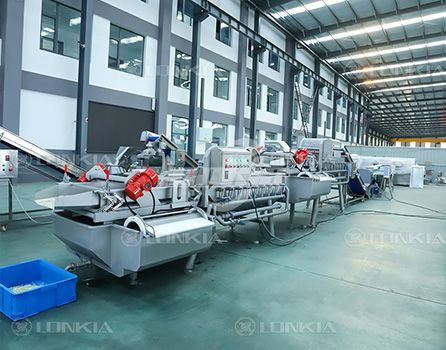
What Are Industrial Washers in Food Processing?
When people hear “industrial washer,” they might picture a giant dishwasher or a simple vegetable washer. But in reality, industrial washers are a broad category of machines engineered to handle high-volume, continuous cleaning tasks with precision and hygiene controls designed for the food industry.
Most industrial washers work by combining mechanical agitation, targeted water jets, and bubble action. Some even incorporate brushes or ultrasonic waves to tackle tougher residues. The goal is to remove soil, pesticides, microbes, and other unwanted materials without compromising the quality or integrity of the food.
What’s often overlooked is that different food products have very different cleaning needs. For example, leafy greens like spinach or lettuce are delicate and bruise easily, so they require gentle but thorough washing. Meanwhile, hardier root vegetables such as potatoes or carrots need more abrasive cleaning action to remove stubborn dirt.
This means one-size-fits-all simply doesn’t apply in this space. Choosing the wrong type of washer can either leave contaminants behind or damage the product—both unacceptable outcomes in food production.
Types of Industrial Washers in Food Processing
Understanding the variety of washers available is crucial to making an informed choice. Let’s explore some of the most common types and what makes each unique.
1. Bubble Washers
Bubble washers leverage compressed air to create millions of tiny bubbles in a water tank. The rising bubbles generate gentle turbulence that loosens dirt from the surfaces of produce without bruising or damaging it.
This technology is particularly well-suited to fragile items such as leafy greens, berries, or soft fruits. Its delicate but effective cleaning action helps maintain product quality while ensuring contaminants are removed.
From my experience, bubble washers are often underrated but offer an excellent balance between cleaning effectiveness and product care, especially for high-value, delicate produce.
2. Rotary Drum Washers
These washers feature a perforated rotating drum that tumbles products inside as water sprays from multiple nozzles. This mechanical scrubbing action is excellent for sturdier products like potatoes, carrots, and other root vegetables that require more intensive cleaning.
The rotation helps dislodge dirt and debris, while the water washes it away. The drum design also allows for continuous processing, which is critical in high-volume operations.
A key advantage is the ability to handle large loads with relatively low labor input, improving throughput and efficiency.
3. Conveyor Belt Washers
Conveyor washers move products along a belt while they are sprayed or brushed clean. These systems are versatile and can be customized for different product sizes, shapes, and cleaning intensities.
They are widely used in fruit and vegetable processing, seafood cleaning, and even in cleaning food containers or packaging materials. The modularity and scalability make conveyor washers a popular choice for many food processors.
One practical note: conveyor systems can sometimes require more floor space and careful layout planning but offer great flexibility and automation potential.
4. Ultrasonic Washers
Ultrasonic washers use high-frequency sound waves to create cavitation bubbles in water. These bubbles implode and create tiny but powerful jets that remove contaminants, including microscopic particles.
While not yet as widespread in food washing as traditional methods, ultrasonic technology is gaining traction, especially for delicate produce or cleaning food processing equipment components.
It’s an emerging technology worth watching, especially for processors aiming to minimize chemical use and maximize cleaning precision.
5. Custom and Specialty Washers
Many food processors have unique needs—whether it’s cleaning irregularly shaped products, handling mixed batches, or integrating washing with drying or sorting.
Custom washers combine multiple cleaning techniques—spraying, brushing, air drying—tailored to specific products or production lines. While these can be more costly upfront, they often deliver superior results and operational efficiency in the long run.
Benefits of Using Industrial Washers
Investing in the right industrial washing equipment can transform your processing line. Here are some benefits I’ve observed firsthand in the industry:
Improved Cleaning Efficiency
Industrial washers can clean large volumes faster and more thoroughly than manual methods, enabling higher throughput and consistent product quality.Enhanced Food Safety
Effectively removing contaminants reduces the risk of foodborne illness outbreaks and helps meet strict regulatory requirements like HACCP, FDA, or EU hygiene standards.Consistent Product Quality
Automation and controlled washing conditions ensure every product receives the same level of care, critical for brand reputation and customer satisfaction.Resource Efficiency
Modern washers often incorporate water recycling and energy-saving features, cutting operational costs and environmental impact.Labor Savings and Safety
Reducing manual washing tasks lowers labor costs and minimizes worker exposure to wet, repetitive, or hazardous environments.
How to Choose the Right Industrial Washer
Choosing the right machine is a strategic decision. Here are some practical considerations:
1.Product Characteristics
Analyze the shape, size, and delicacy of your products. For fragile items, consider bubble or ultrasonic washers; for tough root vegetables, rotary drums might be better.
2.Throughput Requirements
Calculate your daily or hourly processing volume. Your washer should handle peak loads without creating bottlenecks.
3.Hygiene and Material Standards
Opt for food-grade stainless steel (304 or 316) construction. Verify compliance with relevant certifications to ensure sanitation and durability.
4.Water and Energy Consumption
Choose machines designed for efficiency. Water is a major cost and environmental factor; models with recirculation or low water use save money long term.
5.Automation and Ease of Use
Look for features like programmable controls, easy access for cleaning, and remote monitoring if possible.
6.Support and Maintenance
Reliable technical support and availability of spare parts can save downtime and repair costs.
Maintenance Tips for Industrial Washers
Keeping your washer in top condition is vital:
Clean after each production run to prevent biofilm buildup.
Inspect and replace worn nozzles, belts, or seals.
Train staff on proper operation and troubleshooting.
Schedule routine preventive maintenance to avoid unexpected failures.
Industrial washers are indispensable in modern food processing, delivering the cleaning power, consistency, and efficiency required to meet today's food safety standards. Understanding the types available and aligning them with your products and operational needs is essential for maximizing both food quality and business profitability.