
1. Introduction: The Role of Peeling in Vegetable Processing
Traditional peeling methods have long been used in the industry, but each comes with limitations. Mechanical or abrasive peelers rely on friction to strip away skins, often causing excessive loss of edible flesh and generating a high volume of waste. Chemical peelers use caustic solutions to soften and remove skins, but they pose environmental challenges, require costly wastewater treatment, and may raise concerns among clean-label food processors. Manual peeling, while precise, is labor-intensive and impractical for modern high-capacity operations.
This is where steam peeling technology has transformed the industry. Instead of relying on friction or chemicals, a steam peeler uses high-temperature, high-pressure steam to loosen vegetable skins in a matter of seconds. The process minimizes waste, preserves product integrity, and allows for a highly automated and hygienic peeling step. In recent years, advancements such as flash steam peeling have further improved cycle times and efficiency, making steam peeling the dominant choice for large-scale vegetable processors worldwide.
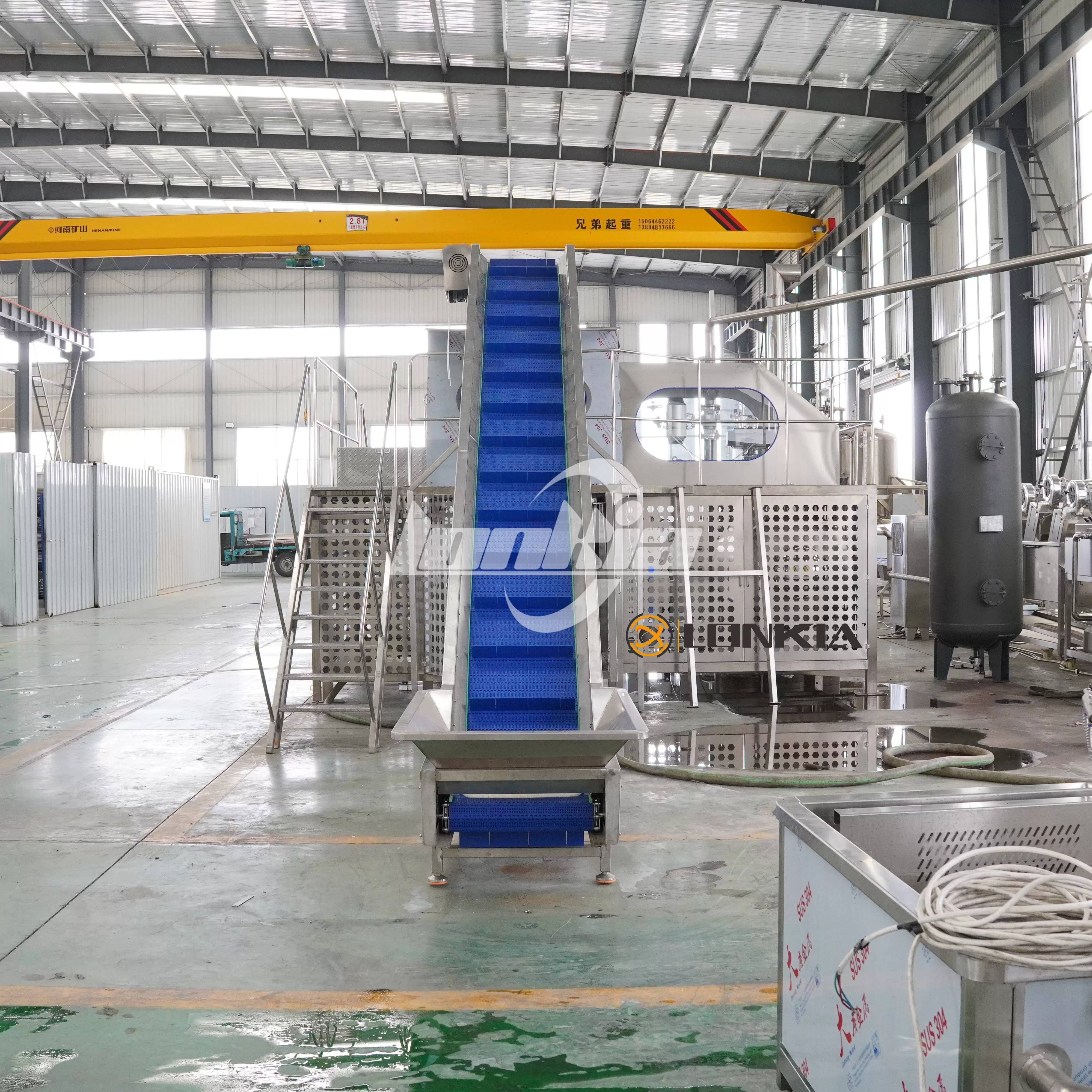
2. The Science Behind Steam Peeling
At its core, steam peeling is a controlled application of thermal shock. When vegetables are exposed to high-pressure steam, the thin outer skin rapidly heats up and undergoes a sudden expansion. Water within the skin’s cells turns into vapor, creating micro-explosions that separate the skin from the underlying edible tissue. The process is completed when the chamber is depressurized, causing the loosened skin to burst open and detach.
2.1 Process Overview
A typical steam peeling cycle includes:
Loading – Vegetables are fed into a pressure-sealed vessel or chamber.
Steam Injection – Steam at pressures of 6–12 bar and temperatures of 160–190 °C is introduced.
Holding Time – The produce is exposed for 3–10 seconds, depending on the vegetable type and skin thickness.
Rapid Depressurization – The chamber is suddenly vented to atmospheric pressure, causing the skins to rupture and loosen.
Skin Removal – Detached skins are washed away with water sprays, rollers, or air jets.
Inspection – Remaining imperfections may be trimmed or sorted automatically.
2.2 Key Process Parameters
The efficiency of a steam peeler depends on balancing pressure, temperature, and exposure time:
Pressure: Higher pressures speed up the peeling process but may increase energy demand.
Temperature: Elevated temperatures ensure faster skin detachment while maintaining core quality.
Time: Shorter exposure reduces thermal damage but must be long enough for complete skin loosening.
For example:
Potatoes may require 6–8 bar steam for 6–8 seconds.
Carrots, with thicker skins, may need higher pressures or slightly longer exposure.
Beets and sweet potatoes benefit from precise timing to prevent flesh damage while ensuring skin removal.
2.3 Advantages of Steam Peeling
Reduced Product Loss: Less edible material is removed compared to abrasive methods.
Improved Quality: Smooth, intact surfaces support better frying, freezing, and packaging outcomes.
Faster Cycles: A complete peel can be achieved in under 10 seconds.
Clean-Label Processing: No chemicals are required, aligning with consumer and regulatory expectations.
Sustainability: Lower water consumption than chemical methods, and peel waste can be repurposed as animal feed or biomass.
Steam peeling is not just an equipment upgrade; it is a process innovation that enhances yield, efficiency, and sustainability across the entire value chain.
3. Steam Peeling Variants: Standard vs. Flash Steam Peeling
As steam peeling technology has matured, two primary approaches have emerged: standard steam peeling and flash steam peeling. Both are based on the same principle of applying thermal shock, but their design and performance characteristics differ.
3.1 Standard Steam Peeling
In traditional steam peelers, vegetables are loaded into a sealed chamber and exposed to steam for several seconds before the chamber is depressurized. This method is widely used in batch and continuous systems:
Batch Systems: Process a fixed quantity of vegetables per cycle; suitable for medium capacities and flexible product lines.
Continuous Systems: Maintain a steady flow of vegetables through a pressurized tunnel; ideal for large-scale operations.
Advantages of standard steam peeling:
Reliable, proven technology with decades of use.
Adaptable to different vegetable types.
Balanced investment costs for small to medium processors.
Limitations:
Slightly longer cycle times compared to flash systems.
Energy efficiency may be lower in high-capacity applications.
3.2 Flash Steam Peeling
Flash steam peeling takes the principle further by using higher steam pressures and extremely short exposure times, followed by instantaneous depressurization. The rapid change in conditions causes skins to burst off more completely, leaving minimal residue.
Key features of flash steam peeling:
Exposure Time: Often less than 3–4 seconds.
Efficiency: Produces cleaner surfaces with very low peel loss.
Suitability: Well-suited for continuous, high-capacity processing of uniform raw materials (e.g., large potato processors).
Benefits:
Shorter processing cycles, increasing overall throughput.
Less thermal damage, preserving color and nutrients.
Improved consistency, reducing the need for downstream trimming.
Challenges:
Higher equipment cost and complexity.
Greater reliance on a stable, high-pressure steam supply.
Not always cost-effective for small to medium processors.
3.3 Standard vs. Flash Steam: Comparison Table
| Feature | Standard Steam Peeling | Flash Steam Peeling |
|---|---|---|
| Exposure Time | 5–10 seconds | 2–4 seconds |
| Steam Pressure Range | 6–10 bar | 10–12+ bar |
| Peel Loss (edible waste) | Low | Very Low |
| Product Quality | High | Very High |
| Investment Cost | Moderate | Higher |
| Best Suited For | Mixed vegetables, medium capacity | Large-scale, high-throughput potato/carrot lines |
3.4 Choosing the Right Variant
The choice between standard and flash steam peeling depends on several factors:
Capacity Requirements: Flash systems excel in high-throughput environments.
Raw Material Mix: Standard systems are more versatile for diverse product lines.
Budget & ROI Goals: Flash systems demand higher upfront investment but deliver long-term efficiency for large processors.
4. Efficiency Gains from Steam Peeler Technology
One of the main reasons steam peeling has become the industry standard is its proven ability to improve efficiency across multiple dimensions.
4.1 Higher Throughput
Compared to abrasive peelers, which often take 20–30 seconds per cycle, steam peelers can complete the peeling process in less than 10 seconds. Flash steam systems push this further, reducing exposure time to as little as 2–4 seconds. This cycle-time reduction translates into higher throughput and the ability to handle larger volumes without increasing labor or floor space.
4.2 Reduced Raw Material Loss
Every percentage point of peel loss matters in large-scale processing. With abrasive peelers, edible product loss may reach 15% or more. Steam peelers, by contrast, can reduce waste to below 10%, while flash systems achieve even lower levels. For a processor handling thousands of tons per year, this improvement directly enhances profitability.
4.3 Consistent Quality
Steam peeling produces smoother surfaces with minimal bruising. This not only improves visual appearance but also enhances downstream processing:
Frying: A smooth, intact surface leads to even oil absorption and crispier texture.
Freezing: Reduced surface damage lowers the risk of dehydration and freezer burn.
Cutting: Cleaner surfaces reduce stress on blades and produce more uniform cuts.
4.4 Enhanced Food Safety
Because steam peelers use heat and avoid chemicals, they support hygienic processing environments. The high temperatures applied during peeling can also help reduce microbial load on the product surface, complementing HACCP and GMP compliance.
4.5 Operational Sustainability
Steam peelers consume less water than chemical peeling methods and generate peel waste that can be valorized as animal feed, biofuel, or compost. This supports processors aiming for circular economy initiatives and sustainability targets.
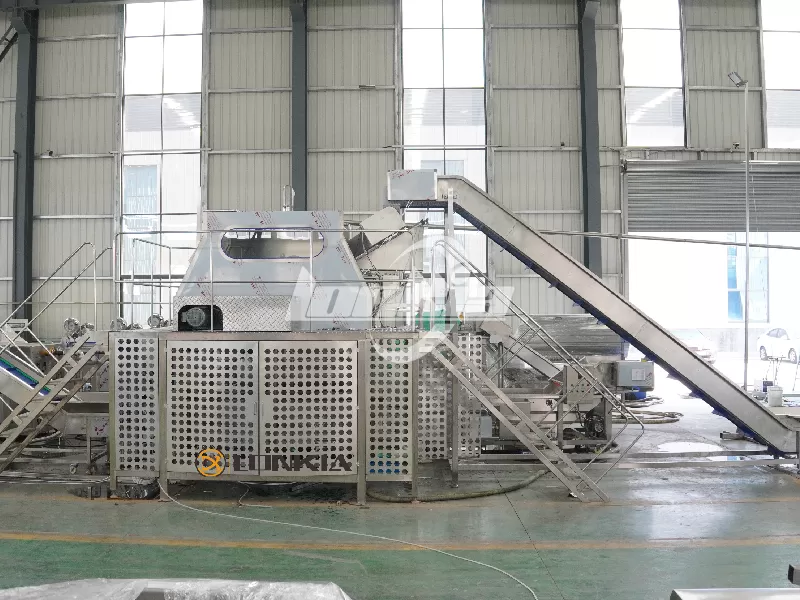
5. Integrating Steam Peeling into a Processing Line
Installing a steam peeler is not just about swapping out equipment — it requires thoughtful integration into the broader processing line.
5.1 Typical Line Flow
A standard vegetable processing line incorporating steam peeling may follow this sequence:
Receiving & Inspection – Raw vegetables arrive and undergo initial checks.
Washing – Stones, soil, and debris are removed to protect downstream machinery.
Steam Peeler or Flash Steam Peeler – Main peeling step.
Post-Peel Rinse – Water sprays or rollers wash away loosened skins.
Sorting & Trimming – Optical or manual inspection to remove defects.
Cutting, Blanching, Frying/Freezing – Further processing to the final product.
5.2 Upstream Considerations
Pre-Washing: Essential to reduce dirt load and prevent contamination inside the steam chamber.
Sizing & Sorting: Uniform size batches peel more evenly and reduce cycle variability.
5.3 Downstream Considerations
Peel Waste Removal: Efficient conveyors or suction systems are required to handle peel debris.
Water Management: Rinse water must be filtered to separate solids before reuse or disposal.
5.4 Utility & Infrastructure Needs
Steam peelers require reliable support systems:
Steam Supply: High-pressure boilers capable of meeting demand without fluctuation.
Condensate Recovery: Returning condensate to the boiler improves efficiency.
Cooling Water: Used in rinse systems and post-peel cooling steps.
Control Integration: PLC and SCADA systems allow synchronization with upstream and downstream equipment.
6. Practical Considerations: Energy, Waste & Maintenance
6.1 Energy Use
Steam consumption depends on throughput and vegetable type. Processors can reduce energy costs by:
Installing heat recovery systems to capture energy from exhaust steam.
Using condensate return systems to recycle hot water back to boilers.
Optimizing cycle times to avoid over-peeling and unnecessary steam usage.
6.2 Water & Waste Management
Steam peelers consume significantly less water than chemical peeling systems. The primary waste is loosened skins, which can be collected and repurposed:
Animal feed – Peel waste is rich in fiber and nutrients.
Anaerobic digestion – Peel residues can generate biogas for renewable energy.
Composting – An environmentally friendly disposal method that closes the resource loop.
6.3 Maintenance Needs
Key components that require attention include:
Pressure Seals & Gaskets – Regular inspection prevents steam leaks.
Steam Valves & Traps – Must be checked for efficiency to avoid energy loss.
Sensors & Control Systems – Pressure and temperature sensors ensure safe operation.
Shock Cooling/Discharge Mechanisms – Wear parts must be serviced to maintain efficiency.
A well-structured preventive maintenance plan helps extend equipment life, reduce downtime, and ensure consistent peeling performance.
6.4 Safety Considerations
Since steam peelers operate under pressure, compliance with local boiler and pressure vessel regulations is mandatory. Operators must be trained in lockout/tagout procedures, personal protective equipment (PPE), and safe handling of high-pressure systems.
7. FAQs & Conclusion
FAQs
Q1. Which vegetables are best suited for steam peeling?
Potatoes, carrots, beets, sweet potatoes, and similar root crops respond best to steam peeling.
Q2. What is the difference between steam peeling and flash steam peeling?
Flash steam peeling uses higher pressure and shorter exposure, achieving cleaner peels in less time, but requires more advanced equipment.
Q3. Does steam peeling damage nutrients?
No — the process is very short, and nutrient loss is minimal compared to longer thermal treatments.
Q4. How are peel wastes managed?
Peel residues can be repurposed for feed, composting, or renewable energy generation, reducing disposal costs.
Q5. What are the maintenance requirements of a steam peeler?
Regular checks of gaskets, valves, and sensors, combined with preventive maintenance, are sufficient to keep systems reliable.
Q6. Is the investment in steam peeling worth it?
Yes — while the initial cost is higher, yield improvements, labor savings, and reduced waste usually ensure a fast payback.