
In industrial environments such as food processing plants, beverage facilities, logistics centers, and pharmaceutical warehouses, pallets play a central role in material handling and hygiene control. They move raw materials, semi-finished goods, and packaged products between different zones of production — from “raw” to “ready.” When not properly cleaned, these pallets can become carriers of contamination, leading to microbial cross-contact, product rejection, or even regulatory non-compliance.
A commercial pallet cleaner addresses this risk by automating the cleaning and sanitizing process. It ensures consistent washing performance while reducing labor dependency, water waste, and downtime. For food manufacturers, it’s not merely a convenience — it’s part of their HACCP and GMP compliance strategy.
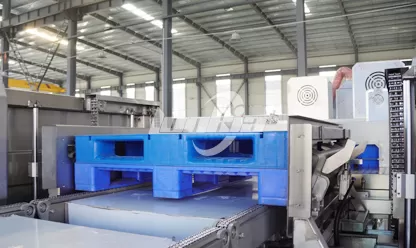
Key Performance Indicators (KPIs) to Evaluate
Before diving into specific features, it’s crucial to understand how pallet cleaner performance is measured. While every facility has different needs, the following KPIs provide a consistent framework for evaluation:
- Throughput (pallets/hour): A standard metric for production capacity. Mid-sized operations may need around 80–120 pallets per hour, while large-scale facilities can exceed 300 pallets/hour.
- Cleaning efficiency: Measured through ATP swab tests, microbial reduction rates, or visual cleanliness standards. A reduction of 99.9% microbial load (3-log reduction) is often the benchmark in food environments.
- Water consumption (liters per pallet): Efficient systems use <10 L/pallet through recycling and filtration loops.
- Energy usage (kWh per pallet): Linked to heating and pump systems — efficient design can lower energy demand by 20–30%.
- Cycle time and downtime: The system should sustain consistent operation with minimal interruption for filter changes or maintenance.
- Chemical dosing accuracy: Maintaining precise sanitizer concentration ensures hygiene while avoiding waste or corrosion.
Monitoring these KPIs not only helps during equipment selection but also serves as a baseline for continuous improvement once the machine is installed.
Core Features to Consider in a Commercial Pallet Cleaner
1. Cleaning Method and Technology
The heart of every pallet cleaner lies in how it removes dirt, residues, and microbes. Different technologies are suitable for different types of soiling and production environments:
- High-pressure spray systems are the most common, using rotating nozzles or oscillating arms to deliver pressurized water jets that dislodge physical contaminants. They are ideal for plastic or stainless-steel pallets used in wet environments.
- Brush cleaning modules add mechanical agitation to remove stubborn residues such as grease, protein films, or dried product buildup.
- Steam or thermal disinfection is highly effective for killing microorganisms without relying heavily on chemicals, making it ideal for sensitive food or pharma applications.
- Ultrasonic cleaning (less common) can target complex surfaces or tight crevices in pallets with intricate designs.
A well-designed pallet cleaner often combines multiple cleaning stages — such as pre-rinse, main wash, rinse, and disinfection — to achieve complete hygiene with optimized resource use. The flexibility to adjust temperature, pressure, and duration allows customization for different contamination levels or pallet types.
2. Wash Effectiveness and Throughput
A high-capacity pallet cleaner should not only deliver spotless results but also maintain consistent throughput that matches your production rhythm. Key factors include:
- Cycle time and dwell duration: Shorter cycles mean higher productivity but can compromise wash quality if pressure or temperature are not properly tuned.
- Nozzle layout and spray coverage: Even distribution ensures no “shadow zones” are missed — especially for pallets with deep recesses or grids.
- Dual-lane or continuous-feed conveyors: These allow multiple pallets to enter and exit simultaneously, avoiding bottlenecks.
- Performance validation: Facilities often verify cleaning results via ATP testing, microbial swabbing, or visual inspections as part of standard operating procedures (SOPs).
Choosing the right balance between cleaning thoroughness and throughput depends on the specific application. A food-grade operation prioritizes sanitation above speed, whereas logistics or packaging plants may optimize for cycle efficiency. Modern PLC-controlled machines can automatically adjust parameters based on soil level or load size, ensuring consistent results across shifts.
3. Conveyor System and Loading/Unloading Design
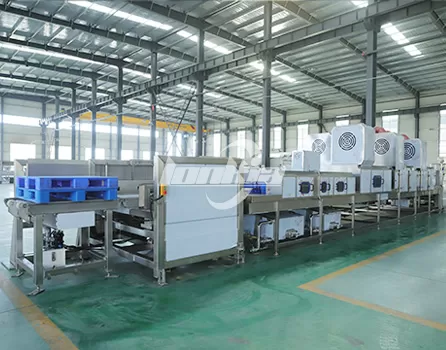
An efficient conveyor and loading design determines how easily the system integrates with your existing workflow. Whether pallets are fed manually or automatically, handling design impacts both safety and productivity.
Common configurations include:
- Linear roller conveyors: Simple and reliable for inline operations.
- Rotary tables or transfer conveyors: Allow flexible in/out feeding when space is limited.
- Automated lifting systems or stackers: Improve ergonomics, reduce labor, and ensure consistent orientation of pallets.
- Integration with AGV or robotic arms: In high-tech facilities, pallet cleaners can be linked with robotic palletizers for fully automated loops.
Ergonomic design also plays a major role in operator safety. Look for features such as anti-slip platforms, automatic gate sensors, and emergency stop buttons. When properly configured, a conveyor-integrated pallet cleaner minimizes manual handling, reduces risk of workplace injury, and keeps your line running smoothly.
4. Temperature and Pressure Control
Temperature and pressure are critical parameters that directly influence cleaning efficiency and sanitation quality.
- Temperature control: Higher temperatures (typically 60–85°C) accelerate grease removal, enhance detergent activity, and achieve partial thermal disinfection. However, excessive heat can increase energy consumption or deform certain plastic pallets, so adjustable setpoints are essential.
- Pressure control: Industrial pallet washers operate between 20–80 bar (300–1200 psi), depending on the soiling intensity. Consistent pressure ensures mechanical cleaning force is maintained throughout the cycle.
- Real-time monitoring: Advanced systems use temperature and pressure sensors linked to PLCs to maintain constant conditions, generate alarms if deviations occur, and log data for quality assurance.
Well-designed machines include multi-zone temperature control (separate heating circuits for prewash and rinse tanks) and pressure regulators to balance performance with resource efficiency. Maintaining optimal thermal and hydraulic conditions ensures not only better cleanliness but also prolonged component life and lower operating costs.
5. Water Management and Energy Efficiency
Modern pallet cleaners are designed to minimize resource consumption without compromising hygiene standards. Since both water and heat are major cost contributors, water management and recovery features are essential:
- Multi-Tank Filtration Systems: Sequential filtration (coarse → fine → micro) allows reused water from the rinse section to feed the prewash tank, achieving up to 70% water savings.
- Oil and Sludge Separation: Removes floating residues to prevent bacterial growth and fouling.
- Heat Recovery Units: Recover waste heat from rinse water to preheat incoming wash water, lowering energy usage by 20–30%.
- Automatic Drain & Refill Cycles: Maintain cleanliness in tanks, preventing contamination between batches.
Well-designed water management not only saves resources but also ensures consistent washing performance — critical when processing hundreds of pallets daily.
6. Safety and Regulatory Compliance
Safety goes beyond physical protection — it includes compliance with industrial and food-grade regulations. When choosing a pallet cleaner, ensure it meets CE, UL, or ISO certification standards, depending on your market.
Safety features to look for include:
- Emergency Stop and Interlock Systems: Automatically shut down operations during abnormal conditions.
- Automatic Door Locks and Sensors: Prevent access during high-pressure or high-temperature cycles.
- Electrical and Steam Protection: IP-rated electrical boxes and insulated piping reduce heat and electrical hazards.
- Data Logging and Traceability: Modern systems record operating parameters for HACCP documentation and audit trails.
By integrating these safety controls, a facility reduces the risk of accidents, contamination, and regulatory penalties — protecting both operators and products.
Frequently Asked Questions (FAQ)
Q1: What is the difference between a pallet washer and a pallet cleaner?
A pallet washer focuses primarily on water-based cleaning, while a pallet cleaner integrates washing, rinsing, and disinfection stages, often with automated handling and drying — suitable for food-grade use.
Q2: How often should pallets be cleaned?
Frequency depends on the production environment. Food plants usually clean pallets after every cycle or daily to meet HACCP and GMP standards.
Q3: Can a commercial pallet cleaner handle both plastic and metal pallets?
Yes. Most industrial models support multiple materials, but parameters such as temperature and pressure should be adjusted to prevent damage to softer plastics.
Q4: How much water does a typical pallet cleaner use?
Efficient models with water recovery systems use 5–10 liters per pallet — significantly less than manual washing.
Q5: Are pallet cleaners customizable?
Absolutely. Manufacturers offer modular systems tailored for specific pallet sizes, cleaning intensity, automation level, and factory layout.