
The debate around pasteurization vs sterilization is one of the most common—and most misunderstood—topics in food processing. While both are thermal treatments designed to improve food safety and extend shelf life, they serve fundamentally different purposes and operate at very different levels of microbial control.
Confusion between pasteurization vs sterilization can lead to serious operational and commercial consequences. Choosing the wrong process may result in:
Insufficient microbial safety
Overprocessing and quality degradation
Unnecessary energy consumption
Incorrect equipment investment
Regulatory non-compliance
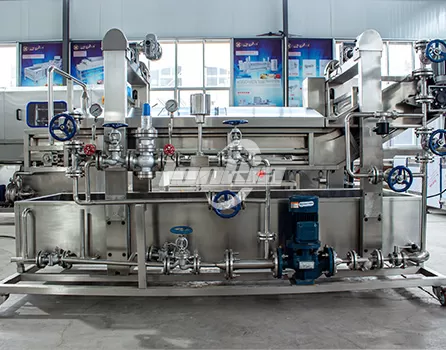
What Is Pasteurization?
Definition and Purpose
Pasteurization is a controlled heat treatment process designed primarily to:
Destroy pathogenic microorganisms
Reduce spoilage organisms
Improve product safety without significantly altering sensory properties
Unlike sterilization, pasteurization does not aim to eliminate all forms of microbial life. Instead, it targets vegetative (actively growing) bacteria, yeasts, and molds that pose health or spoilage risks under refrigerated conditions.
The goal of pasteurization is microbial reduction, not complete microbial elimination.
Typical Temperature and Time Ranges
Pasteurization operates at moderate thermal intensities compared to sterilization. Common methods include:
LTLT (Low-Temperature, Long-Time)
Typically around 63°C for 30 minutesHTST (High-Temperature, Short-Time)
Typically around 72°C for 15 secondsHigher-temperature short-time variants used in juice and beverage processing
The exact parameters depend on product composition, viscosity, pH, and regulatory requirements. In the pasteurization vs sterilization comparison, pasteurization consistently uses lower temperatures and shorter overall thermal exposure.
Microbiological Scope
Pasteurization effectively destroys:
Vegetative bacteria (e.g., Salmonella, Listeria, E. coli)
Most spoilage organisms
However, it does not reliably inactivate bacterial spores, which are highly heat-resistant survival forms produced by certain microorganisms such as Clostridium and Bacillus species.
Because spores survive pasteurization, products must typically be:
Refrigerated
Distributed within controlled cold chains
Consumed within a limited shelf life
Shelf Life After Pasteurization
Pasteurized products generally require refrigeration and have moderate shelf life ranging from days to weeks, depending on product composition and storage conditions.
In the pasteurization vs sterilization comparison, pasteurization offers better retention of flavor and nutrients but provides shorter shelf stability.
What Is Sterilization?
Definition and Purpose
Sterilization is a more intense heat treatment designed to achieve commercial sterility, meaning the elimination of all microorganisms capable of growing under normal storage conditions.
In the pasteurization vs sterilization discussion, sterilization represents the higher end of thermal lethality.
The objectives of sterilization include:
Destruction of vegetative cells
Inactivation of bacterial spores
Creation of shelf-stable products at ambient temperature
Sterilization is commonly used for canned foods, UHT milk, ready meals, and long-life beverages.
Temperature and Time Parameters
Sterilization uses significantly higher temperatures than pasteurization.
Typical parameters include:
Retort sterilization:
Approximately 121°C for a defined time (often referenced as 15 minutes equivalent)UHT (Ultra-High Temperature) processing:
135–150°C for 2–5 seconds
Although UHT uses short exposure times, the extremely high temperature delivers sufficient microbial lethality.
F₀ Value and Thermal Lethality Concept
A key technical distinction in pasteurization vs sterilization is the concept of F₀ value, which quantifies the cumulative lethal effect of heat treatment at a reference temperature of 121.1°C.
F₀ represents the equivalent time (in minutes) required at 121.1°C to destroy a target microorganism population. It integrates:
Temperature
Exposure time
Thermal resistance of microbes
This lethality calculation is critical for sterilization validation but is generally not required at the same intensity level for pasteurization.
Shelf Stability
Sterilized products are shelf-stable at room temperature. Because spores are destroyed, microbial growth under normal storage conditions is prevented.
In the pasteurization vs sterilization comparison, sterilization offers:
Extended shelf life (months to years)
Reduced dependence on cold chain logistics
Broader distribution flexibility
However, it may also cause greater impact on product flavor, color, and nutritional profile.
Pasteurization vs Sterilization
The core difference in pasteurization vs sterilization lies in microbial resistance.
Vegetative Cells vs Bacterial Spores
Vegetative cells are metabolically active and relatively sensitive to heat. Pasteurization conditions are sufficient to destroy these organisms.
Bacterial spores, however, are:
Dormant survival structures
Highly resistant to heat, dryness, and chemicals
Capable of germinating under favorable conditions
Sterilization is specifically designed to inactivate spores, while pasteurization is not.
D-Value and Z-Value
To understand pasteurization vs sterilization scientifically, two microbiological parameters are essential:
D-value (Decimal reduction time):
The time required at a specific temperature to reduce a microbial population by 90% (1 log reduction).Z-value:
The temperature change needed to alter the D-value by a factor of ten.
Spores have much higher D-values than vegetative cells, meaning they require significantly longer exposure or higher temperatures to achieve equivalent microbial reduction.
This difference explains why pasteurization vs sterilization cannot be substituted simply by extending pasteurization time slightly. The required thermal intensity differs fundamentally.
Pasteurization vs Sterilization: Temperature, Time, and Processing Intensity
Temperature Comparison
In general:
Pasteurization: 60–95°C range
Sterilization: 110–150°C range
The temperature gap is substantial and directly influences microbial lethality.
Thermal Load and Product Impact
Higher temperatures increase microbial destruction but also accelerate:
Protein denaturation
Vitamin degradation
Flavor compound loss
Texture modification
Therefore, pasteurization vs sterilization is not merely about “stronger is better.” It is a balance between microbial safety and product quality preservation.
Processing Philosophy
Pasteurization prioritizes quality retention with refrigerated distribution.
Sterilization prioritizes maximum safety and ambient shelf stability.
Understanding this philosophical difference is essential when choosing between pasteurization vs sterilization in industrial applications.
Impact on Product Quality and Nutritional Value
When evaluating pasteurization vs sterilization, microbial lethality is only half of the equation. The other half is product integrity.
1. Flavor and Aroma Compounds
Thermal intensity directly affects volatile flavor compounds.
Pasteurization preserves more natural aroma profiles because of lower temperature exposure.
Sterilization, especially retort processing, may cause:
Cooked flavor notes
Caramelization
Maillard reaction acceleration
Sulfur compound development (in protein-rich foods)
UHT sterilization minimizes exposure time, but extremely high temperatures can still modify delicate flavor compounds.
Practical implication:
Premium dairy, craft beverages, and fresh-style juices often favor pasteurization to protect sensory characteristics.
2. Nutritional Retention
Heat-sensitive nutrients include:
Vitamin C
B-complex vitamins
Folate
Certain antioxidants
In the pasteurization vs sterilization comparison:
Pasteurization generally results in lower nutrient degradation.
Sterilization can significantly reduce heat-sensitive micronutrients depending on time-temperature combination.
However, macronutrients such as proteins, fats, and carbohydrates remain largely intact under both processes.
3. Texture and Physical Structure
Sterilization can alter:
Protein structure (denaturation and aggregation)
Emulsion stability
Gel matrix strength
Vegetable firmness
For example:
Sterilized milk may develop slight cooked notes and color changes.
Retorted ready meals experience texture softening due to prolonged heat penetration.
Pasteurization typically maintains original texture more effectively.
Equipment Differences: Industrial System Comparison
Understanding pasteurization vs sterilization also requires evaluating equipment architecture and capital investment.
Pasteurization Equipment Systems
Common systems include:
Plate heat exchangers (PHE)
Tubular heat exchangers
Scraped surface heat exchangers (for viscous products)
Key characteristics:
Continuous processing
Energy-efficient heat recovery sections
CIP-compatible hygienic design
Moderate pressure operation
Pasteurizers are typically integrated with:
Balance tanks
Holding tubes
Regenerative heating sections
Automatic temperature control and flow diversion valves
They are ideal for high-throughput liquid processing.
Sterilization Equipment Systems
Sterilization equipment is more complex and varies depending on packaging format.
1. Retort Systems
Used for:
Canned foods
Pouches
Trays
Glass jars
Features:
High-pressure steam environment
Batch or semi-continuous operation
Precise F₀ value validation
Long heat penetration cycles
Retorts require robust pressure vessels and compliance with pressure equipment regulations.
2. UHT Systems
Used for:
Shelf-stable milk
Plant-based beverages
Cream
Liquid soups
Features:
Ultra-high temperature short exposure
Aseptic holding tubes
Sterile packaging integration
Advanced valve clusters and sterile barriers
UHT systems require sterile downstream filling environments, which significantly increase capital expenditure.
Capital Investment and Operating Costs
From a financial perspective, pasteurization vs sterilization differs substantially.
Initial Investment
Pasteurization systems: Lower capital cost
Retort sterilization: Medium to high investment
UHT with aseptic filling: Highest investment tier
UHT lines require:
Sterile packaging rooms
Aseptic filling machines
Sterile air filtration systems
Advanced automation and validation
Energy Consumption
Sterilization generally consumes more energy due to:
Higher temperature generation
Steam production
Pressure control
Longer thermal exposure (in retort systems)
Pasteurization benefits from regenerative heat recovery, significantly improving energy efficiency.
Logistics and Distribution Cost
This is where sterilization may outperform pasteurization.
Because sterilized products are shelf-stable:
No refrigeration needed
Lower cold-chain logistics cost
Extended distribution radius
Reduced product returns due to spoilage
In global export markets, sterilization can reduce total supply chain cost despite higher production expense.
Industry Applications: When to Use Each Process
The pasteurization vs sterilization decision depends heavily on product category.
Pasteurization Is Commonly Used For:
Fresh milk
Yogurt base
Craft beer
Fresh fruit juice
Liquid egg products
Refrigerated sauces
Cold-chain beverages
These products prioritize sensory quality and short-to-medium shelf life.
Sterilization Is Commonly Used For:
Canned vegetables and meat
Ready-to-eat meals
Shelf-stable dairy
Baby food
Condensed milk
UHT beverages
Military or emergency food supplies
These products require extended ambient shelf stability.
Regulatory and Food Safety Considerations
Regulatory authorities often specify:
Minimum pasteurization standards (e.g., dairy regulations)
Mandatory sterilization conditions for low-acid canned foods
F₀ validation requirements
HACCP documentation
For low-acid foods (pH > 4.6), sterilization is typically mandatory to control Clostridium botulinum spores.
This is one of the most critical distinctions in pasteurization vs sterilization compliance strategy.
Common Misconceptions About Pasteurization vs Sterilization
Misconception 1: Sterilization Is Always Better
Not necessarily.
If refrigeration is available and product freshness is essential, pasteurization may be superior.
Overprocessing can damage brand perception in premium markets.
Misconception 2: Pasteurized Products Are Unsafe
Pasteurized products are safe when:
Properly processed
Stored under refrigeration
Distributed within shelf-life limits
Safety is context-dependent.
Misconception 3: UHT and Retort Are the Same
Both are sterilization methods, but:
Retort = packaged product sterilization
UHT = product sterilized before aseptic packaging
They differ significantly in processing flow and investment scale.
Step-by-Step Decision Framework
To choose between pasteurization vs sterilization, follow this structured evaluation:
Step 1: Determine Product pH
pH ≤ 4.6 (acid food): Pasteurization may be sufficient
pH > 4.6 (low-acid food): Sterilization often required
Step 2: Define Target Shelf Life
Days to weeks → Pasteurization
Months to years → Sterilization
Step 3: Assess Distribution Conditions
Cold-chain available → Pasteurization feasible
Ambient distribution → Sterilization preferred
Step 4: Evaluate Brand Positioning
Fresh, premium, minimally processed → Pasteurization
Long-life, convenience-focused → Sterilization
Step 5: Calculate Total Cost of Ownership
Consider:
Equipment investment
Energy usage
Packaging cost
Logistics savings
Waste reduction
Market access
Final Comparison Summary
| Factor | Pasteurization | Sterilization |
|---|---|---|
| Microbial Target | Vegetative cells | Vegetative cells + spores |
| Temperature | Moderate | High to ultra-high |
| Shelf Life | Refrigerated, short-term | Ambient, long-term |
| Equipment Cost | Lower | Higher |
| Energy Use | Lower | Higher |
| Nutrient Retention | Better | Moderate reduction |
| Flavor Impact | Minimal | Possible cooked notes |
| Logistics Flexibility | Limited | Global distribution |
Conclusion: Pasteurization vs Sterilization — Choosing Strategically
The real difference between pasteurization vs sterilization lies in processing intensity, microbial lethality, shelf-life strategy, and total supply chain design.
Pasteurization is optimized for:
Quality preservation
Cold-chain markets
Fresh product positioning
Sterilization is optimized for:
Long shelf stability
Low-acid safety assurance
Global distribution efficiency
The correct choice is not about selecting the “stronger” method—it is about aligning microbial control, product quality, regulatory requirements, and commercial strategy.
For food manufacturers, understanding pasteurization vs sterilization at a technical and operational level enables smarter capital investment decisions and safer, more competitive product development.