
Dates are often grouped with dried fruits, but from a processing perspective, they behave very differently. High natural sugar content, sticky surfaces, variable moisture levels, and irregular shapes make dates one of the more challenging raw materials to handle in an industrial environment.
As global demand for packaged and value-added date products continues to grow, processors are under increasing pressure to improve consistency, hygiene, and throughput. A basic fruit processing setup is usually insufficient. Instead, a dedicated date processing line is required—one that is designed around the physical and chemical characteristics of dates, not adapted after problems appear.
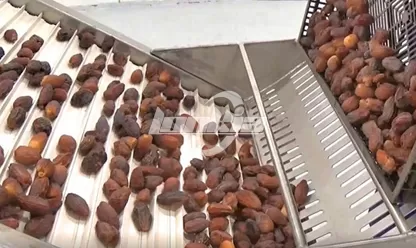
1. What Is a Date Processing Line?
A date processing line is an integrated system of equipment designed to transform raw dates into market-ready products through a controlled sequence of operations. Depending on the final product, a typical line may include sorting, washing, de-watering, pitting, inspection, and packaging.
Unlike batch-based handling, modern date processing lines are usually designed for continuous operation, allowing stable throughput and consistent quality. The level of automation can vary:
Manual or semi-automatic lines for small volumes or specialty products
Fully automatic lines for industrial-scale production with high hygiene requirements
The key distinction is that every stage in a date processing line is interconnected. Poor performance in early steps—such as sorting or washing—will directly affect pitting accuracy, packaging efficiency, and final product quality.
2. Raw Date Characteristics and Pre-Processing Considerations
Before discussing individual machines, it is critical to understand the raw material itself. Dates vary significantly depending on variety, harvest condition, and intended use.
2.1 Moisture Content and Texture Variability
Dates are commonly categorized as fresh, semi-dry, or dry. Each category behaves differently during mechanical handling:
Higher moisture dates are softer and more prone to deformation
Drier dates are firmer but more sensitive to cracking and flesh tearing
A date processing line must be designed around the most challenging condition, not the ideal one.
2.2 Sugar Content and Surface Stickiness
Natural sugars dissolve easily when exposed to water or heat. If not properly controlled, this can lead to:
Sticky buildup on conveyors and guides
Increased friction and product jams
Rapid contamination of washing and transport systems
This is one of the main reasons date processing lines require specialized surface materials, drainage design, and cleaning access.
2.3 Foreign Materials and Contamination Risks
Raw dates often carry:
Sand and dust from harvesting
Stems and leaves
Occasional stones or hard debris
Early removal of these contaminants is essential to protect downstream equipment and maintain food safety standards.
3. Sorting in a Date Processing Line
3.1 Purpose of Sorting
Sorting is the first quality-control step in a date processing line. Its objectives include:
Separating dates by size and quality
Removing damaged, underripe, or contaminated fruits
Creating uniform batches for stable downstream processing
Without effective sorting, pitting accuracy drops and packaging yield becomes unpredictable.
3.2 Sorting Technologies Used
Depending on capacity and quality requirements, sorting may involve:
Manual inspection tables for visual defect removal
Roller or size grading systems to separate by diameter
Optical sorting systems to detect color defects, surface damage, or foreign material
In industrial date processing lines, mechanical and optical systems are often combined to balance efficiency and precision.
3.3 Common Sorting Challenges
Dates tend to overlap and stick together, which can reduce sorting accuracy. Uneven feeding is a frequent issue. Proper infeed design and controlled product flow are critical to maintaining sorting effectiveness.
4. Washing Stage
4.1 Why Washing Dates Is Different from Other Fruits
Washing dates is not simply about removing dirt. The process must:
Clean without dissolving excessive surface sugars
Avoid water absorption that alters texture
Prevent microbial spread through reused water
This makes washing one of the most sensitive stages in a date processing line.
4.2 Washing Methods Used in Date Processing Lines
Common washing solutions include:
Bubble washers, using gentle agitation to loosen debris
Spray washing systems, offering controlled water application
Drum or conveyor washers, providing consistent exposure and throughput
Each method has trade-offs between cleaning efficiency, water usage, and product handling gentleness.
4.3 Process Control Considerations
Effective washing requires tight control of:
Water temperature
Spray pressure
Filtration and water renewal rates
Poor control can lead to sticky residues redepositing on the product surface, creating more problems than the wash stage solves.
5. De-Watering and Pre-Drying Before Pitting
After washing, surface moisture must be carefully reduced. Excess water creates serious issues during pitting, including slippage, misalignment, and increased flesh damage.
Common de-watering methods include:
Air knife systems
Centrifugal dryers
Vibratory de-watering conveyors
The goal is not full drying, but achieving a stable surface condition that allows reliable mechanical pitting.
6. Pitting in a Date Processing Line
Pitting is widely regarded as the most technically demanding stage in a date processing line. It directly affects yield, throughput, and final product appearance. Even small inefficiencies at this stage can result in significant product loss or downstream quality issues.
6.1 Why Pitting Is a Critical Bottleneck
Date pits vary in length, hardness, and position within the fruit. Unlike uniform stone fruits, dates often present:
Off-center pits
Variable flesh thickness
Differences between varieties and harvest conditions
These factors make precise alignment essential. Poor alignment leads to torn flesh, broken dates, or missed pits.
6.2 Types of Date Pitting Machines
Industrial date processing lines typically use one of the following systems:
Mechanical punch-type pitters, where a pin pushes the pit through the fruit
Continuous automatic pitting systems, designed for high-capacity, uninterrupted operation
Advanced systems allow adjustment for different date sizes and textures, improving consistency across batches.
6.3 Yield, Accuracy, and Product Integrity
Key performance indicators for pitting include:
Pit removal accuracy
Percentage of damaged fruit
Throughput stability
Proper feeding orientation and consistent surface condition from upstream washing and de-watering are critical for maintaining high yields.
7. Packaging in a Date Processing Line
Packaging is not simply the final step; it must be designed in coordination with upstream processes.
7.1 Common Packaging Formats
Date processing lines typically support:
Bulk cartons for foodservice or further processing
Retail pouches and trays
Vacuum or modified atmosphere packaging (MAP) for extended shelf life
Each format places different demands on product consistency and moisture control.
7.2 Integration with Packaging Equipment
Effective integration includes:
Multihead or linear weighing systems
Automated filling and sealing
Labeling and traceability features
Smooth transfer from pitting to packaging minimizes handling damage and contamination risk.
8. Common Problems in Date Processing Lines and How to Solve Them
8.1 Product Sticking and Clogging
Often caused by:
Excess surface moisture
Inadequate drainage
Poor material selection
Solutions include improved de-watering, surface coatings, and regular cleaning schedules.
8.2 Excessive Product Loss
Common contributors:
Misaligned pitting systems
Inconsistent raw material quality
Routine calibration and better raw material sorting help minimize losses.
8.3 Inconsistent Throughput
Fluctuations typically result from:
Uneven feeding
Bottlenecks at pitting or inspection stages
Balancing line speed and buffer capacity improves overall stability.