
In food production, pharmaceuticals, and chemical industries, the importance of sanitation cannot be overstated. Buckets are widely used to transport ingredients, store liquids, and handle semi-finished products. However, without consistent cleaning, buckets can quickly become breeding grounds for bacteria, contaminants, or chemical residues. This is where an Industrial Bucket Washer plays a vital role.
Unlike manual cleaning, which is labor-intensive and inconsistent, a bucket washing machine delivers repeatable, high-standard hygiene while reducing water and detergent use. Companies that adopt an automatic bucket washer not only improve safety but also save significant costs in labor and operational resources. This article explores everything you need to know about these machines, focusing on maintenance best practices and cost efficiency strategies.
What Is an Industrial Bucket Washer?
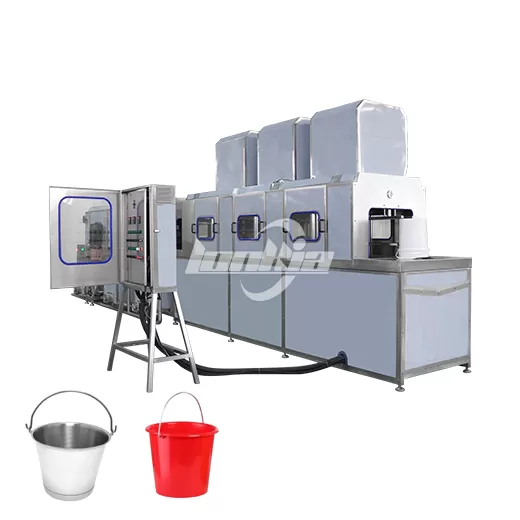
An Industrial Bucket Washer is a specialized cleaning system designed to wash, rinse, and sanitize buckets used in industrial applications. Depending on the industry, these buckets may hold food products, dairy items, chemicals, or even pharmaceutical mixtures. A professional bucket cleaning system ensures that every surface is thoroughly cleaned, reducing the risk of contamination and product recalls.
Key features of modern bucket washer machines include:
High-pressure spray systems for removing stubborn residues.
Automated cycles that wash, rinse, and sanitize in sequence.
Adjustable temperature controls to kill bacteria effectively.
Water recycling units for cost efficiency and sustainability.
These machines are designed to meet stringent industry standards such as HACCP (Hazard Analysis Critical Control Points) and GMP (Good Manufacturing Practice), making them indispensable in regulated environments.
Why Maintenance Is Essential for Bucket Washing Machines
An industrial bucket washer is a major investment for any production facility. While the upfront cost is significant, poor maintenance can lead to costly breakdowns, reduced efficiency, or even hygiene compliance failures. Preventive care ensures that your bucket washer machine remains reliable, durable, and cost-effective over its lifetime.
Common risks of neglecting maintenance include:
Blockages in spray nozzles that reduce washing power.
Pump failures caused by scale buildup or improper lubrication.
Sensor malfunctions that affect cycle timing and water temperature.
Bacterial growth in poorly cleaned or clogged components.
By investing in regular inspections, proper cleaning protocols, and part replacements, manufacturers extend the lifespan of their washers while ensuring consistently high hygiene standards.
Common Issues with Industrial Bucket Washers
Like any industrial equipment, bucket washing machines are prone to specific challenges. Understanding these issues helps companies respond quickly and avoid expensive downtime.
1. Spray Nozzle Blockage
Residues such as starch, fats, or chemical deposits can clog spray nozzles, reducing water flow and cleaning efficiency. This often leads to incomplete washing, requiring additional cleaning cycles and wasting resources.
How to fix it:
Perform weekly nozzle inspections.
Use descaling agents to dissolve buildup.
Replace nozzles if water pressure remains weak.
2. Water Recycling System Failures
Many modern automatic bucket washers use water recycling technology to reduce water consumption. However, filters and tanks can become clogged with dirt and biofilm.
How to fix it:
Schedule filter replacements.
Clean holding tanks with approved sanitizers.
Monitor water quality to avoid recontamination.
3. Pump and Motor Issues
Heavy use can put strain on pumps and motors, leading to overheating or breakdown. This is one of the most common causes of unexpected downtime.
How to fix it:
Ensure proper lubrication schedules are followed.
Keep motors free from dust and moisture.
Replace worn-out seals to prevent leaks.
4. Electrical and Control Panel Errors
Automatic washers depend on advanced control panels with sensors and timers. Electrical malfunctions can stop an entire cleaning cycle.
How to fix it:
Regularly inspect wiring for corrosion or loose connections.
Calibrate sensors every quarter.
Keep control panels away from water exposure.
Preventive Maintenance Checklist for Industrial Bucket Washers
To keep your bucket washer machine in optimal condition, manufacturers should adopt a preventive maintenance routine. A simple checklist can drastically improve reliability and reduce long-term costs.
Daily Tasks:
Inspect spray nozzles for blockages.
Rinse machine surfaces after use.
Check water levels and temperature settings.
Weekly Tasks:
Clean filters in the water recycling system.
Inspect seals and gaskets for leaks.
Test the control panel for errors.
Monthly Tasks:
Perform full pump and motor inspection.
Check for scale buildup in heating elements.
Sanitize tanks and pipes thoroughly.
Annual Tasks:
Replace heavily worn parts such as nozzles, seals, and belts.
Conduct a full system audit with the crate washer manufacturer or service provider.
Review compliance with hygiene standards and adjust settings if necessary.
By adhering to this checklist, companies not only extend equipment lifespan but also ensure uninterrupted production with fewer recalls and shutdowns.

The Role of Proper Training in Maintenance
Even the most advanced industrial bucket washer cannot function optimally without trained staff. Operators need to understand not only how to run the machine but also how to spot early warning signs of wear or malfunction.
Effective training should include:
How to perform daily inspections.
Recognizing unusual noises or leaks.
Proper use of detergents and sanitizers.
Emergency shutdown procedures.
Many bucket washer manufacturers offer on-site training programs or remote support. Investing in staff knowledge reduces repair costs and improves operational efficiency.
Energy and Water Efficiency in Industrial Bucket Washers
One of the biggest concerns for companies investing in an industrial bucket washer is its utility consumption. Traditional washing processes often use excessive water and energy, leading to high operational costs. Modern industrial bucket washers are designed with efficiency in mind, incorporating recirculation systems, filtration units, and heat recovery technologies. These features reduce both water and energy waste while ensuring a consistent hygienic wash.
For example, advanced models feature multi-stage filtration where debris is continuously separated, and water is reused until it reaches contamination thresholds. Heat exchangers recover energy from wastewater and use it to preheat incoming water, cutting down on fuel or electricity consumption. By selecting a bucket washer with these innovations, companies can achieve up to 30–50% savings in utilities compared to older models.
When evaluating different machines, businesses should ask:
- Does the washer include water recycling?
- Is there an energy recovery unit?
- How much water is consumed per cycle?
Answering these questions helps ensure not only lower operating costs but also compliance with sustainability initiatives that are becoming increasingly important across industries.
Safety and Compliance Considerations
An industrial washing machine for buckets must do more than clean effectively—it must also ensure safety and compliance with food safety and industrial hygiene standards. For the food, beverage, and pharmaceutical sectors, equipment should comply with HACCP guidelines, CE marking, and FDA standards where applicable.
Key design features that support compliance include:
Smooth stainless steel construction to prevent bacterial growth.
Easy-to-clean surfaces with minimal dead spots where residues could accumulate.
Automatic monitoring systems that track wash temperature, detergent concentration, and cycle duration.
Emergency stop mechanisms and protective shields to safeguard operators.
Regulatory audits often require companies to present proof of consistent sanitation processes. By investing in a compliant crate and bucket washer, businesses reduce the risk of fines, recalls, or damaged reputations.
Cost Efficiency: Beyond the Purchase Price
When considering an industrial bucket washer, many businesses focus only on the initial investment. However, true cost efficiency must include the total cost of ownership (TCO), which factors in utilities, labor, downtime, spare parts, and maintenance.
Labor Savings: Automated washers replace manual scrubbing, reducing man-hours significantly.
Downtime Reduction: Machines with self-cleaning filters and modular design minimize downtime during servicing.
Detergent Optimization: Automated chemical dosing systems reduce detergent use while ensuring effective cleaning.
Extended Equipment Life: Regular maintenance, as discussed earlier, prevents costly breakdowns and extends service life.
A well-chosen bucket washer can deliver ROI within 1–3 years, depending on washing volume and efficiency features. Businesses should always calculate the long-term financial benefits, rather than being influenced only by the upfront cost.
Choosing the Right Industrial Bucket Washer
With many crate washer manufacturers offering a wide range of designs, selecting the right machine requires balancing cleaning performance, efficiency, and durability. Here are key criteria to consider:
Capacity and Throughput: Match machine size with daily washing needs. A machine too small creates bottlenecks, while an oversized unit wastes resources.
Customization: Some bucket washer machines allow modular add-ons like drying tunnels, stackers, or conveyors.
Footprint and Layout: Consider available factory space. Portable or compact models may be ideal for smaller facilities.
Maintenance Support: Choose suppliers that offer strong after-sales service, spare parts availability, and remote troubleshooting.
Sustainability Features: Machines with low water consumption, energy recovery, and recyclable materials are not just eco-friendly—they often qualify for government incentives.
Selecting the right partner is just as important as choosing the machine itself. A reliable crate washer manufacturer will provide not only equipment but also long-term support, ensuring consistent performance and compliance.
Future Trends in Industrial Bucket Washing
Technology in industrial washing is evolving quickly. Emerging trends include:
IoT Monitoring: Smart sensors track machine performance in real-time, providing predictive maintenance alerts.
AI-Powered Wash Cycles: Adaptive systems that adjust cycle length and water usage based on contamination levels.
Robotics Integration: Automated loading and unloading of buckets to reduce human involvement and improve ergonomics.
Green Chemistry: Use of eco-friendly detergents that clean effectively while reducing environmental impact.
Companies adopting these innovations not only reduce operational costs but also future-proof their facilities against tightening regulations and customer demands for sustainable operations.
Conclusion
An industrial bucket washer is more than a cleaning device—it is a strategic investment that impacts efficiency, compliance, and long-term costs. By understanding common maintenance issues, adopting preventive care, and carefully evaluating cost-efficiency factors, businesses can maximize their return on investment.
Whether you are comparing different washing machines for crates and buckets, negotiating with a crate washer manufacturer, or deciding between models with advanced sustainability features, the key is to balance performance with lifecycle cost.
The right machine ensures not only spotless buckets but also lower water and energy bills, safer workplaces, and stronger compliance with hygiene standards. In today’s competitive environment, these advantages can give your business a critical edge.