
In industries like food processing, beverage production, pharmaceuticals, and chemicals, cleanliness is non-negotiable. Buckets are used daily for transporting ingredients, mixing solutions, or handling waste, and any contamination could jeopardize product safety. That’s why the automatic washing bucket system has become a critical tool—it reduces manual labor, ensures consistent sanitation, and helps companies meet strict hygiene standards.
However, like any piece of equipment, even the most advanced industrial bucket washer will experience operational issues over time. Clogged nozzles, fluctuating water pressure, and inconsistent cleaning results are just a few of the common pain points that can disrupt production. Unresolved, these issues lead to downtime, wasted utilities, and in the worst cases, compliance failures.
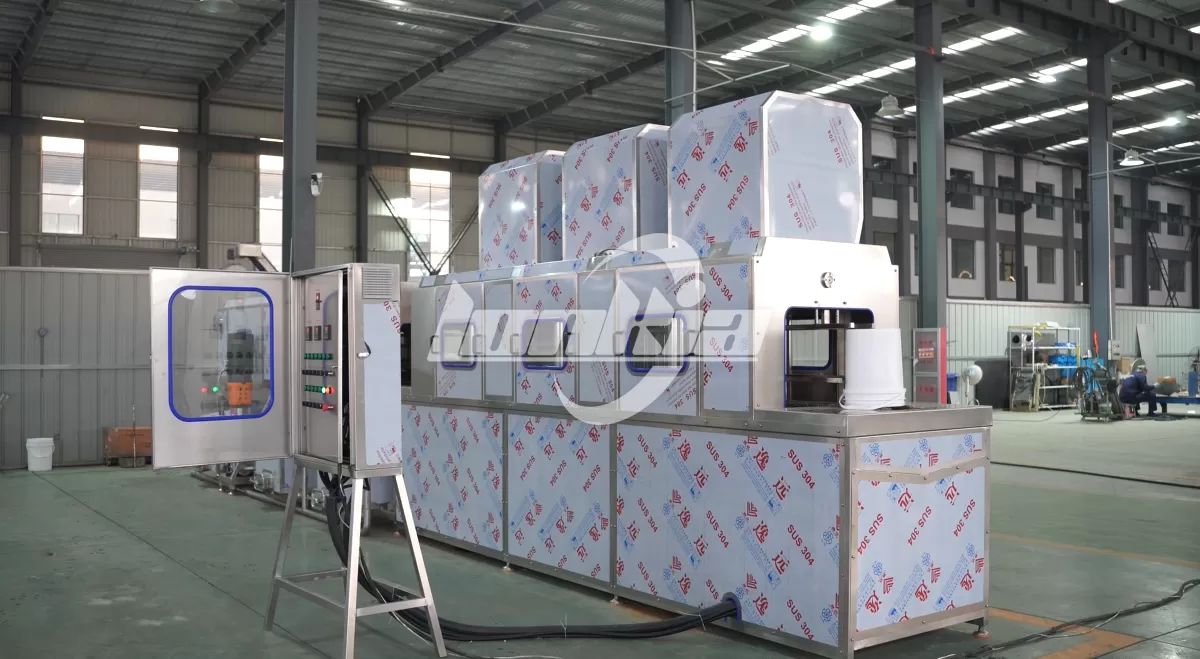
This guide is structured to be both practical and comprehensive. We’ll start by reviewing how bucket washing systems work, then dive deep into the top problems operators face, with step-by-step troubleshooting and quick fixes. By the end, you’ll have a clear framework to keep your bucket washer machine running smoothly while controlling costs and minimizing risks.
1. How Automatic Washing Buckets Work
Before tackling problems, it’s important to understand the fundamentals of how a washing bucket machine operates. While models differ across manufacturers, the cleaning process generally follows a sequence designed to remove visible dirt, dissolve residues, and sanitize the container.
1.1 Core Cleaning Stages
- Pre-Rinse – Buckets are loaded and exposed to high-volume water jets that loosen debris.
- Main Wash – Heated water, often combined with detergent or caustic solution, removes grease and organic material.
- Rinse or Sanitizing Phase – Fresh or recycled water flushes away residues, sometimes with added sanitizers.
- Draining or Drying – Excess water is removed via tilting, centrifugal spin, or air knives.
This staged process ensures that buckets leave the machine not just visibly clean but also hygienically safe.
1.2 Key Components
- Pumps and Spray Nozzles – High-pressure pumps drive cleaning jets. Spray patterns (fan, cone, or solid stream) determine coverage and efficiency.
- Filtration and Recycling – Filters capture debris, while recycling systems reduce fresh water consumption by reusing rinse water.
- Heating System – Water may be heated using electric elements or steam exchangers, critical for killing microbes and dissolving fats.
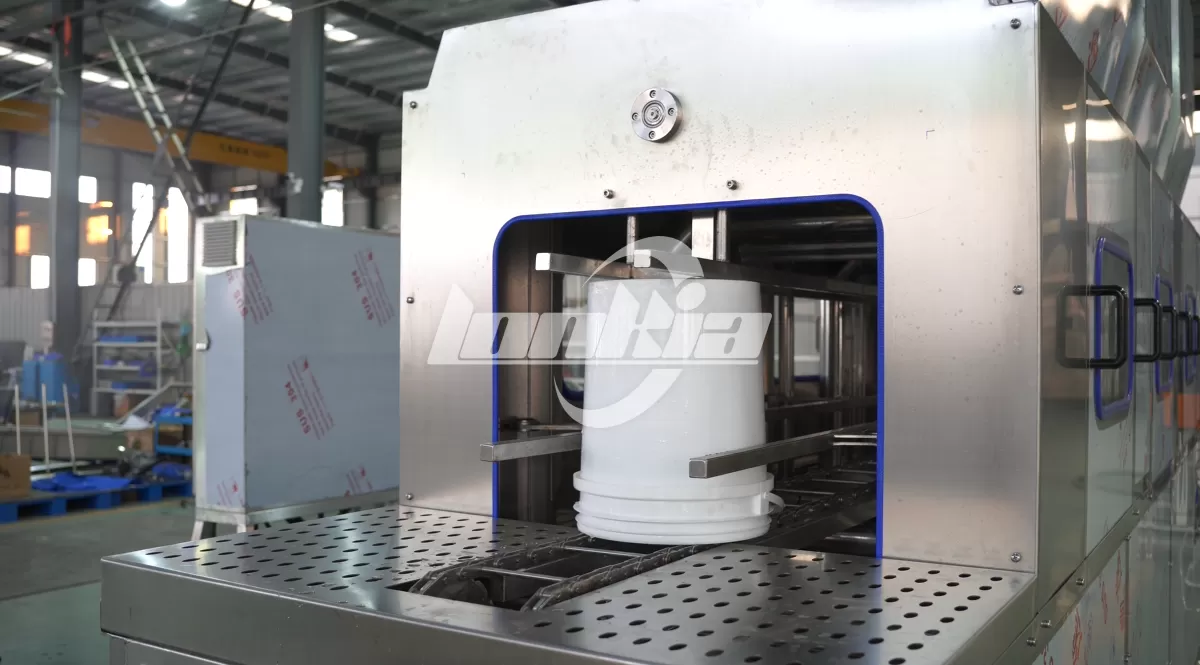
- Conveyor or Rotation Mechanism – Buckets are positioned to ensure every interior and exterior surface is reached.
- Chemical Dosing Units – Detergents or sanitizers are automatically injected at controlled concentrations.
- Control Sensors – Temperature, pressure, and flow sensors maintain system stability and ensure compliance.
Understanding these parts helps operators diagnose where a failure might occur—whether it’s a mechanical issue, a blocked filter, or a miscalibrated sensor.
2. Top 10 Common Problems & Fast Fixes
No equipment runs perfectly all the time. Below are the 10 most frequent issues reported by operators of automatic bucket washers. Each entry outlines symptoms, root causes, quick fixes, and preventive tips.
2.1 Incomplete Cleaning Results
- Symptoms: Visible residues, greasy film, or leftover powders inside buckets.
- Causes: Blocked nozzles, incorrect bucket placement, insufficient pressure, or low wash temperature.
- Quick Fix: Inspect spray nozzles and unclog or replace as needed. Check pump pressure and recalibrate temperature settings. Ensure buckets are loaded according to the SOP.
- Prevention: End-of-shift nozzle inspections and staff training on proper bucket placement.
2.2 Unstable Pressure or Weak Spray
- Symptoms: Spray patterns appear uneven; cleaning cycles take longer than usual.
- Causes: Pump cavitation, clogged intake filter, worn impeller, or leaks in suction lines.
- Quick Fix: Clean intake filters, tighten suction fittings, and replace damaged impellers.
- Prevention: Install pressure gauges at critical points and train operators to log fluctuations.
2.3 Inconsistent Water Temperature
- Symptoms: Wash cycles fail microbial tests; fatty residues remain.
- Causes: Faulty heating elements, steam valve malfunction, or misaligned temperature sensors.
- Quick Fix: Test and replace heating elements, check steam traps, recalibrate or replace sensors.
- Prevention: Schedule quarterly temperature calibration and heat-up curve validation.
2.4 Incorrect Chemical Dosing
- Symptoms: Over-foaming, chemical smell, or inadequate sanitization.
- Causes: Worn dosing pumps, air leaks in suction lines, or incorrect detergent concentration.
- Quick Fix: Replace pump membranes, bleed air from lines, and verify chemical mix.
- Prevention: Monthly titration checks and pump calibration.
2.5 Frequent Filter and Recycling System Alarms
- Symptoms: Frequent downtime, reduced water flow, or overflowing tanks.
- Causes: Filter clogging, sludge accumulation, or scraper malfunctions in the recovery system.
- Quick Fix: Replace filter media, clean tanks, and check scraper drives.
- Prevention: Define filter replacement schedules based on water load and bucket soil levels.
2.6 Conveyor and Fixture Problems
- Symptoms: Buckets tilt, jam, or fall during washing.
- Causes: Misaligned conveyors, worn clamps, or improper speed settings.
- Quick Fix: Re-tension belts or chains, replace clamps, and adjust conveyor speeds.
- Prevention: Weekly alignment checks and lubrication schedules.
2.7 Leaks and Seal Failures
- Symptoms: Water dripping from doors, puddles near pump housings.
- Causes: Aging gaskets, worn shaft seals, or loose flanges.
- Quick Fix: Replace seals, tighten flanges, and inspect shaft packing.
- Prevention: Log seal life cycles and replace them before expected failure.
2.8 Electrical or Sensor Malfunctions
- Symptoms: False alarms, unplanned shutdowns, or erratic cycle control.
- Causes: Moisture ingress, loose connections, or PLC faults.
- Quick Fix: Dry electrical cabinets, re-tighten terminals, and troubleshoot error codes.
- Prevention: Maintain cabinet dehumidifiers and annual sensor recalibration.
2.9 Odor or Microbial Contamination
- Symptoms: Buckets smell musty even after washing.
- Causes: Biofilm buildup in pipelines, prolonged downtime, or insufficient sanitization.
- Quick Fix: Run high-temperature sanitization cycles, perform CIP on pipelines, and flush with disinfectants.
- Prevention: Weekly disinfection routines and draining systems during long idle periods.
2.10 Rising Utility Costs
- Symptoms: Water, electricity, or steam bills increase without higher throughput.
- Causes: Faulty heat exchangers, poor insulation, or bypassed recycling circuits.
- Quick Fix: Repair or replace insulation, service heat recovery units, and optimize water recirculation.
- Prevention: Benchmark consumption monthly against production volume.
Together, these 10 problems account for over 80% of unplanned downtime in bucket washer machines. Operators who apply both fast fixes and long-term preventive measures can often reduce failures by half within a year.
3. Step-by-Step Troubleshooting Workflow
When a bucket washer machine fails, panicked fixes can sometimes make things worse. A systematic workflow ensures efficiency and safety.
3.1 Safety First
Always follow Lockout/Tagout (LOTO) procedures before opening any part of the system. Shut off power, release pressure, and isolate steam or chemical feeds. Ensure operators use PPE such as gloves, goggles, and aprons.
3.2 Three-Step Troubleshooting
- Observation and Readings – Check for visible leaks, strange noises, and verify readings of pressure, temperature, and flow meters.
- Isolate Variables – Test one component at a time: switch pumps, bypass sections, or run cycles with fewer buckets.
- Validate and Restore – Confirm the suspected part is faulty with A/B testing or component replacement before resuming full production.
3.3 Quick Reference Table
| Symptom | First Check | Next Step | Final Step |
|---|---|---|---|
| Buckets not clean | Inspect nozzles | Check pump press. | Verify dosing/temp. |
| Water not heating | Test heating element | Check steam trap | Recalibrate sensors |
| Conveyor jamming | Inspect clamps | Check belt tension | Adjust conveyor speed |
| Frequent alarms | Clean filters | Replace media | Inspect sensors/PLC |
For complex issues such as repeated PLC faults or unexplained shutdowns, contacting the industrial bucket washer manufacturer for remote diagnostics is strongly recommended.
4. Detergent Residue and Hygiene Concerns
Even with a reliable automatic washing bucket, some facilities report detergent residues left behind on buckets. This issue can compromise hygiene standards, especially in food or pharmaceutical applications. The root causes are often incorrect chemical dosing, poor water pressure, or clogged nozzles. To solve this, operators should:
- Regularly calibrate chemical dosing systems.
- Inspect spray nozzles for buildup and replace worn ones.
- Run a rinse cycle with clean water to ensure no chemical traces remain.
Using the right detergent that matches your bucket washer machine specifications is equally critical. A mismatched cleaning solution may foam excessively, leave films, or even damage stainless steel components.
5. Heating and Drying System Failures
Some washing bucket machines are equipped with heating or drying modules to deliver sanitized, ready-to-use buckets. However, failures in these systems are common when heating elements burn out, sensors malfunction, or energy settings are misconfigured. A faulty heating system can mean buckets are not fully sanitized, while drying problems lead to moisture retention and mold risk.
To prevent these setbacks:
- Inspect heating coils or steam injectors regularly.
- Clean temperature sensors to avoid inaccurate readings.
- Schedule preventive maintenance for fans and blowers in the drying unit.
Investing in an industrial bucket washer with automated error alerts for heating/drying modules can reduce downtime and protect hygiene compliance.
6. Control Panel and Automation Errors
Modern crate and bucket washer machines rely heavily on digital control panels for smooth operation. A glitch here can disrupt the entire cycle, leading to downtime and costly repairs. The most common causes include electrical surges, outdated software, or water ingress into the control cabinet.
Solutions include:
- Using surge protectors for the electrical supply.
- Updating software and firmware according to manufacturer schedules.
- Ensuring proper sealing of the control unit to prevent humidity penetration.
Partnering with a reputable crate washer manufacturer that provides remote diagnostics and software support can help keep automation reliable.
Troubleshooting and Preventive Maintenance
Fixing problems after they occur is costly. A preventive approach ensures long-term efficiency and lowers repair bills. Here are key steps for maintaining your automatic washing bucket:
- Daily checks: Look for leaks, misaligned nozzles, or unusual noises.
- Weekly cleaning: Flush detergent lines and remove debris from strainers.
- Monthly inspections: Check drive belts, chains, and bearings for wear.
- Quarterly service: Have a certified technician review critical systems.
Preventive care also extends the lifespan of your washing bucket machine, ensuring it remains energy-efficient while meeting hygiene standards.
When to Contact the Manufacturer or Specialist
While many minor issues can be handled in-house, certain situations require professional support. Examples include:
- Repeated failure of heating or pumping systems.
- Persistent control panel errors that affect automation.
- Structural damage such as cracked frames or corroded tanks.
In such cases, contacting the original bucket washer machine manufacturer ensures genuine spare parts and expert guidance. Many leading crate washer manufacturers also offer service contracts that guarantee timely interventions and minimize downtime.
Keeping Your Bucket Washer Running Smoothly
An automatic washing bucket is a long-term investment for industries that rely on cleanliness and efficiency. By understanding the most common problems—whether it’s poor cleaning, high water usage, or automation failures—you can take proactive steps to fix them before they escalate. Preventive maintenance, proper training, and strong partnerships with equipment suppliers are the keys to maximizing performance.
For businesses considering upgrades, selecting an industrial bucket washer with built-in monitoring, energy-efficient systems, and manufacturer support can significantly reduce operational risks. A well-maintained washing bucket machine doesn’t just clean better; it saves money, ensures compliance, and keeps production lines running without interruption.