
In modern food processing plants, tray washers are no longer auxiliary equipment. They are a critical control point that directly affects food safety, production efficiency, and operational cost. Trays are repeatedly used to transport raw materials, semi-finished products, and finished goods. If they are not cleaned consistently and hygienically, contamination risks can propagate quickly across an entire production line.
Many processors invest in tray washers with the expectation of stable, automated cleaning. However, operational reality often differs. Inconsistent cleaning results, excessive resource consumption, and frequent downtime are common complaints. Understanding the root causes of these problems—and addressing them at a system level—is essential for maintaining reliable and compliant operations.
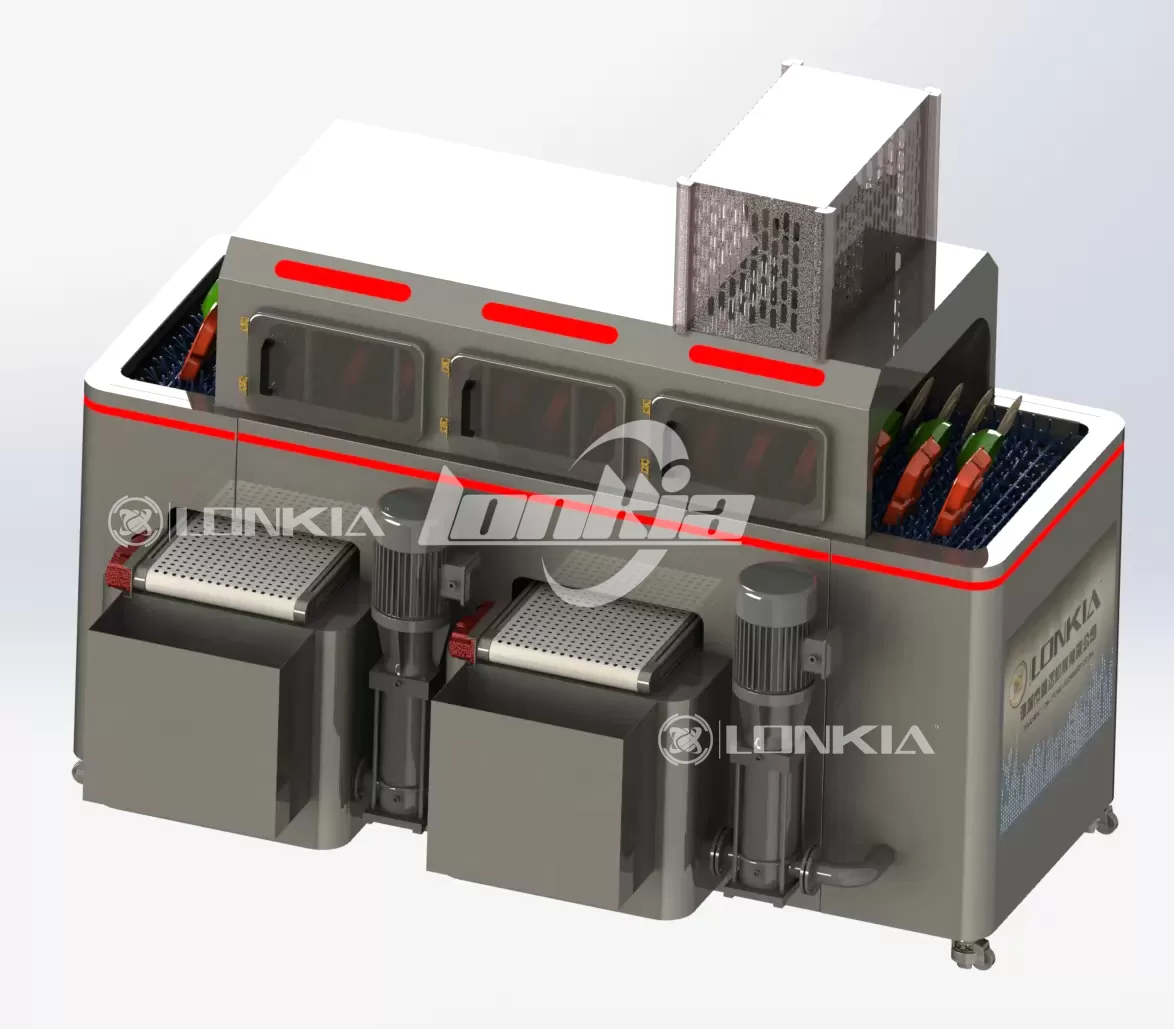
Problem 1: Inconsistent Cleaning Results
One of the most frequently reported issues with tray washers is uneven or incomplete cleaning. Operators may notice residual oil, starch, protein, or seasoning remaining in corners, ribs, or drainage channels of trays even after a full wash cycle.
Common Symptoms
Visible residues after washing
Clean surfaces on flat areas but contamination in corners and edges
Variability between trays within the same batch
Root Causes
Inconsistent cleaning is rarely caused by a single factor. In most cases, it results from a combination of mechanical and operational issues:
Inadequate spray coverage: Poor nozzle positioning or insufficient spray angles fail to reach complex tray geometries.
Insufficient water pressure or flow rate: Low-impact jets cannot remove dried or baked-on residues.
Tray variability: Different tray sizes, materials, or designs on the same line disrupt uniform washing.
Improper tray orientation: Incorrect alignment prevents water from reaching critical contact areas.
Practical Solutions
Implement multi-directional spray systems to ensure full surface coverage.
Design washing zones with independent pressure control for pre-wash, main wash, and rinse stages.
Standardize tray dimensions and stacking orientation wherever possible.
Use guided conveyors or positioning rails to maintain consistent tray alignment during washing.
Problem 2: Excessive Water and Energy Consumption
Tray washers often operate continuously, making them a significant contributor to a plant’s overall water and energy footprint. High utility costs are frequently linked to inefficient system design rather than necessary hygiene requirements.
Key Contributors to High Consumption
Single-pass water usage without recirculation
Overheating of wash water beyond required temperatures
Long idle operation during low production periods
Poor insulation causing heat loss
How to Reduce Resource Waste
Introduce multi-stage filtration and water recirculation, allowing reuse of wash water where hygienically acceptable.
Apply temperature zoning, using hot water only where necessary for soil removal.
Integrate automatic load sensing, adjusting water flow and heating based on tray volume.
Improve thermal insulation in tanks, pipes, and enclosures to minimize energy loss.
By optimizing these factors, many plants reduce water usage by 30–50% without compromising cleaning performance.
Problem 3: Frequent Blockage of Nozzles and Filters
Nozzle and filter blockages are a leading cause of tray washer downtime. Even short interruptions can disrupt upstream and downstream processes, especially in high-throughput operations.
Typical Causes
Accumulation of food residues such as dough, fat, pulp, or packaging fragments
Insufficient pre-cleaning or scraping before washing
Fine particles bypassing coarse filters and clogging spray nozzles
Operational Impact
Reduced spray pressure and uneven cleaning
Increased maintenance frequency
Risk of cross-contamination due to stagnant water zones
Effective Countermeasures
Install pre-wash or debris removal stages before the main wash section.
Use multi-layer filtration systems, progressing from coarse to fine filters.
Select quick-release nozzles for rapid inspection and cleaning.
Establish a preventive maintenance schedule aligned with product type and soil load.
Proactive debris management significantly improves system stability and extends component life.
Problem 4: Poor Drying After Washing
Although washing performance often receives primary attention, inadequate drying is an equally important issue. Wet trays can promote microbial growth and create handling difficulties in automated stacking or conveying systems.
Common Drying Issues
Water pooling in tray recesses
Dripping during transfer to production zones
Inconsistent drying across tray surfaces
Root Causes
Insufficient air velocity from air knives or blowers
Poor air distribution geometry
Mismatch between washing throughput and drying capacity
Technical Solutions
Use high-efficiency air knife systems with adjustable angles.
Match airflow volume and velocity to tray geometry and line speed.
Separate washing and drying zones clearly to avoid moisture carryover.
Problem 5: Tray Damage or Deformation During Washing
Tray damage is often overlooked until it becomes a serious operational issue. Cracked, warped, or deformed trays not only shorten tray lifespan but can also disrupt automated handling systems and compromise hygiene.
Typical Damage Scenarios
Plastic trays warping after repeated exposure to high temperatures
Structural weakening due to excessive spray pressure
Micro-cracks that trap residues and microorganisms
Root Causes
Excessive water temperature, especially during alkaline washing
High-impact spray jets concentrated on thin tray sections
Material mismatch between tray polymer type and washing conditions
How to Prevent Tray Damage
Implement zoned temperature control, reducing heat exposure in rinse or pre-wash stages.
Optimize spray pressure to balance soil removal with mechanical stress.
Match washing parameters to tray material properties (PP, HDPE, ABS, or composite plastics).
Conduct periodic tray inspections to identify early signs of fatigue or deformation.
A well-calibrated tray washer protects both hygiene standards and tray asset value.
Problem 6: Hygiene Risks and Cross-Contamination
Ironically, poorly designed or poorly maintained tray washers can become sources of contamination rather than safeguards against it.
High-Risk Areas
Dead zones with stagnant water
Internal surfaces that are difficult to access for cleaning
Gaps, hollow frames, and horizontal surfaces where moisture accumulates
Key Hygiene Challenges
Biofilm formation on internal components
Cross-contamination between different product batches
Inconsistent sanitation verification
Engineering and Operational Solutions
Apply hygienic design principles, including sloped surfaces and open-frame construction.
Avoid hollow structural elements unless fully sealed and drainable.
Ensure the tray washer is CIP-friendly, allowing full internal cleaning without disassembly.
Implement routine hygiene validation using ATP or microbiological testing.
Tray washers should be treated as food-contact equipment, not just utility machines.
Operational and Maintenance Issues Often Overlooked
Even well-designed tray washers can underperform if operational practices are weak.
Common Oversights
Inadequate operator training
Lack of standardized operating procedures (SOPs)
Reactive maintenance instead of preventive maintenance
Best Practices
Develop clear SOPs for startup, shutdown, and cleaning cycles.
Train operators to recognize early warning signs such as pressure drops or uneven spray patterns.
Maintain detailed service logs to track component wear and performance trends.
Consistent operation and documentation significantly reduce unplanned downtime.
How to Prevent Tray Washer Problems Before They Occur
Many tray washer problems originate during the equipment selection phase, not during operation.
Key Factors to Evaluate During Selection
Tray size, material, and design complexity
Required throughput and line speed
Degree of soil load and product variability
Utility availability (water, steam, electricity)
System-Level Thinking
Design the tray washer as part of the overall production line, not as a standalone unit.
Ensure compatibility with upstream de-stacking and downstream stacking or conveying systems.
Allow for future capacity expansion and product changes.
Proactive planning reduces costly retrofits and operational compromises.