
As hygiene standards tighten and automation becomes a necessity across food processing, healthcare, and manufacturing industries, investing in the right tray washer has become essential in 2025. Whether you run a bakery, a pharmaceutical plant, or an industrial facility, selecting the right equipment affects not only your sanitation levels, but also efficiency, costs, and compliance.
This guide will walk you through everything you need to know to choose the right tray washer in 2025—from capacity needs to energy efficiency, and smart technology.
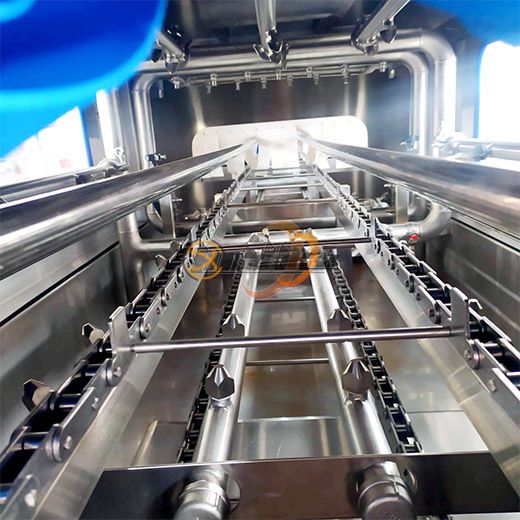
Tray washers are no longer optional in industries where cleanliness and speed are mission-critical. In 2025, with global standards rising and labor shortages continuing, the focus is on:
Reducing manual labor
Maximizing throughput
Improving hygiene and traceability
Meeting food safety and GMP regulations
A tray washer not only saves time but helps standardize cleaning procedures—critical in HACCP-compliant environments.
Step 1: Assess Your Cleaning Volume and Frequency
Before anything else, estimate your daily tray washing volume. Ask yourself:
How many trays need to be washed per hour?
How many shifts does your facility operate daily?
Are trays cleaned immediately or stored before washing?
For example, a small-scale bakery might only need to clean 100 trays a day, while a meat processing plant may require cleaning thousands per shift.
Tip: Oversizing leads to wasted energy, while undersizing causes backlogs and hygiene risks.
Step 2: Choose the Right Washer Type
There are several common types of tray washers available in 2025, each suited to different operations:
1. Batch Tray Washers
Load trays in batches manually or via cart
Ideal for low to medium volume operations
Lower cost and compact footprint
2. Tunnel Tray Washers
Continuous conveyor-style washing
High throughput with minimal manual labor
Suitable for large-scale food processing or packaging facilities
3. Compact or Undercounter Washers
Best for small bakeries or test kitchens
Washes 10–30 trays per cycle
Limited automation
Pro tip: If automation is key, choose tunnel systems with integrated drying and stacking units.
Step 3: Material and Build Quality
In 2025, most tray washers are made of 304 or 316 stainless steel, ensuring corrosion resistance and long-term durability. Key build features to look for:
Double-skinned insulated panels (improve energy efficiency)
Easy-access doors or panels for cleaning and maintenance
High-grade seals and gaskets that withstand high temperatures
Smooth welds and rounded edges to prevent dirt buildup
Ensure the design complies with IP standards and sanitary design principles (especially important in pharmaceutical and food industries).
Step 4: Wash Performance and Water Consumption
Look at key performance specs:
Water flow rate and temperature range
Pump pressure (high-pressure pumps clean better, but may require pre-rinse)
Cycle time per rack or tray
Drying options: integrated blowers or manual dry
A modern washer should allow adjustable settings for different tray materials—plastic, aluminum, or stainless steel.
2025 innovation: Some machines now feature automated soil detection and adaptive wash cycles to save water and energy.
Step 5: Energy Efficiency and Sustainability
With energy prices still volatile in 2025, choosing an efficient model helps reduce operating costs. Look for:
Energy Star or ISO 50001 certifications
Heat recovery systems to reuse hot air
Low-water-use designs with internal filtration
Smart standby modes
Many modern tray washers now include usage dashboards to help you track consumption and optimize efficiency.
Step 6: Automation and Smart Features
2025 tray washers often include intelligent features for easier integration with smart factories:
Touchscreen interfaces with multi-language support
Remote monitoring and diagnostics
Predictive maintenance alerts
IoT compatibility for data tracking and cloud reporting
Programmable cycles for different contaminants
If your facility is part of a smart production line, ensure your washer supports network connectivity (e.g. OPC UA, MQTT).
Step 7: Tray Compatibility and Flexibility
Not all trays are the same. Before purchase, confirm:
Washer fits your tray sizes and shapes
Adjustable or custom tray racks are available
Machine accommodates multiple tray types if needed
No warping or damage occurs to lightweight plastic trays
For non-standard trays, check if the manufacturer offers custom fixtures or inserts.
Step 8: Hygiene, Safety, and Regulatory Compliance
Hygiene is paramount in food, pharma, and medical applications. Ensure your tray washer complies with:
HACCP and GMP standards
FDA and EU Food Contact Material regulations
CE/UL safety certifications
Sanitary design with full internal wash coverage
In hospitals or sterile settings, thermal disinfection (above 82°C or 180°F) may be required.
Step 9: Maintenance and After-Sales Support
Choose a machine with easy access to filters, pumps, and nozzles. Also evaluate:
Are spare parts readily available?
Does the brand offer remote diagnostics or local service teams?
Is there a preventative maintenance plan included?
Long-term support often outweighs small cost differences between brands.
Make a Smart Tray Washer Investment in 2025
Choosing the right tray washer in 2025 is about more than just price. It’s about matching capacity, compliance, efficiency, and automation to your specific operation.
1.For small operations, compact or batch washers are cost-effective.
2.For high-throughput plants, tunnel washers with smart automation deliver long-term ROI.
3.For all buyers, durability, hygiene, and support should remain top priorities.
With smart planning and the right questions, your 2025 tray washer investment will pay off in cleaner operations, lower costs, and greater productivity.