
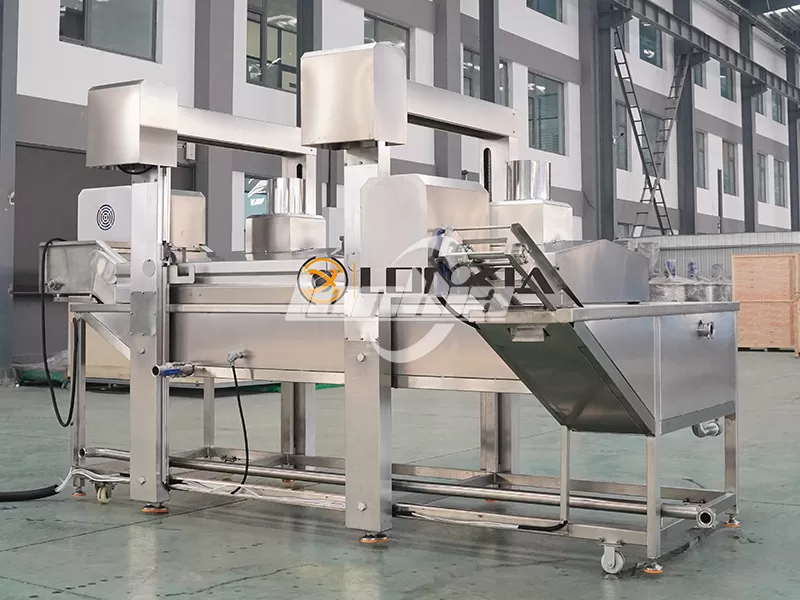
In the potato chip production process, the potato chips deep frying machine is the core equipment that determines product quality and production efficiency. After prolonged continuous operation, inadequate maintenance or malfunctions in key components can not only affect the color and texture of the potato chips but also lead to downtime, thereby increasing production costs.
For food processing companies, understanding the causes of common malfunctions and their solutions can not only reduce downtime but also extend the equipment's service life and improve the stability of the entire production line.
Unstable Oil Temperature Leads to Uneven Potato Chip Color
Oil temperature control is one of the most critical functions of a potato chips deep frying machine. When oil temperature fluctuates significantly, potato chips are prone to issues such as inconsistent color, localized burning, or undercooking.
When this occurs, focus on checking whether the temperature control system is functioning properly, including the temperature sensors, heating elements, and the accuracy of control system parameters. At the same time, observe whether the oil circulation is smooth to prevent localized areas from becoming too hot or too cold.
Using equipment with a high-precision temperature control system and a stable oil circulation design can effectively maintain uniform oil temperature and improve product consistency.
Conveyor System Malfunctions Affect Continuous Production
Continuous deep fryers rely on conveyor belts for stable transport. If the belt drifts off course, becomes jammed, or operates at an abnormal speed, it directly affects the uniformity of heat distribution and may even cause production interruptions.
During routine maintenance, regularly inspect the conveyor chain, bearings, and drive motor to ensure they are functioning properly. Promptly remove starch residue and debris from the belt to prevent foreign material buildup from affecting conveyor efficiency.
A conveyor system with a well-designed structure and convenient maintenance can significantly reduce equipment failure rates and improve continuous production capacity.
Deterioration of Cooking Oil Quality Affects Frying Results
As production time increases, fine particles continuously accumulate in the oil, which can cause the oil to darken and smoke more easily, while also affecting the texture and appearance of the potato chips.
It is recommended to regularly inspect the operating status of the filtration system, promptly remove impurities from the filter units, and replace or replenish the cooking oil as needed based on production conditions to keep the oil circulation system unobstructed.
Potato chips deep frying machines equipped with automatic recirculating filtration can continuously remove residues generated during the frying process, extending the service life of the cooking oil while maintaining more consistent frying results.
Abnormal Noise or Vibration in the Equipment
If the continuous fryer suddenly emits noticeable noise or vibration during operation, it typically indicates that mechanical components have become worn or loose.
Operators should promptly check the lubrication of bearings, inspect fasteners for looseness, and examine the drive mechanism for wear. If necessary, replace wear-prone parts promptly to prevent minor issues from escalating into major mechanical failures.
Proper preventive maintenance can reduce unplanned downtime and improve equipment reliability.
How to Reduce Failure Rates and Improve Equipment Stability?
Establishing a standardized daily maintenance regimen is more important than repairing equipment after a failure occurs. It is recommended that companies develop a regular inspection schedule, focusing on key components such as the temperature control system, heating system, conveyor mechanism, oil circulation, and filtration system to identify potential issues in a timely manner.
Additionally, when purchasing equipment, attention should be paid to whether the continuous fryer's structure facilitates cleaning and maintenance, whether the quality of core components is reliable, and whether comprehensive after-sales technical support is available. These factors directly impact the long-term operational stability of the equipment.
In the design of its potato chips frying equipment, Lonkia has fully considered the demands of continuous production. Through a stable temperature control system, an optimized oil circulation structure, and a maintenance-friendly overall design, Lonkia provides customers with more reliable frying solutions, helping businesses achieve stable and efficient production.
Conclusion
Most malfunctions in potato chip fryers occur in key areas such as the temperature control system, conveyor system, oil circulation, and mechanical drive systems. By implementing standardized daily maintenance, promptly investigating abnormalities, and selecting equipment with a proven design and stable performance, businesses can not only reduce repair costs but also consistently ensure product quality and production efficiency.
For food processing companies seeking long-term, stable production, a well-designed, easy-to-maintain potato chips deep frying machine often delivers a higher return on investment and more reliable production performance.