
In today’s fast-paced food manufacturing environment, efficiency, quality, and sustainability are essential. One technology that is helping processors meet all three goals is flash steam peeling. This innovative method is transforming the way fruits and vegetables—especially potatoes, carrots, and beets—are peeled before further processing. Unlike conventional abrasive or mechanical techniques, flash steam peeling offers superior precision, minimizes waste, and significantly reduces energy and water consumption.
What Is Flash Steam Peeling?
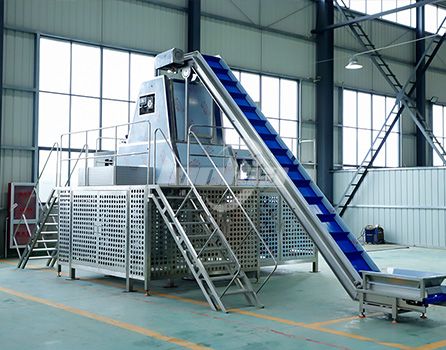
Flash steam peeling is a thermal-based method that removes the outer skin of vegetables and fruits using high-pressure steam. The core concept involves briefly subjecting the product to saturated steam inside a pressurized chamber. Once the steam is released suddenly, the rapid pressure drop causes the outer layers of the food product to expand and burst away from the flesh. This “flash” action loosens the peel almost instantly, allowing for easy removal with minimal damage to the underlying product.
Key components of a flash steam peeling system typically include:
A pressurized steam chamber
A rapid-release valve system
A mechanical or water-based skin-removal unit (after steam treatment)
A waste collection mechanism
This technique is especially effective for products with thin skins and high moisture content.
The Flash Steam Peeling Process: Step by Step
To fully appreciate how flash steam peeling works, it’s useful to understand each stage of the process:
1. Product Loading
Fresh produce is first cleaned and fed into the peeling system via a conveyor or hopper. Uniform sizing is often recommended for optimal results.
2. Steam Exposure
The product enters a high-pressure chamber where saturated steam—usually at 150 to 200°C—is introduced. The exposure time typically ranges from 5 to 20 seconds, depending on the product type and peel thickness.
3. Flash Decompression
Once the exposure is complete, the chamber is rapidly depressurized. This sudden release causes the skin to blister, separate, and partially detach from the core material.
4. Skin Removal
The loosened skins are removed through a combination of high-pressure water sprays, brushes, or gentle friction rollers. The flesh remains intact and minimally affected.
5. Waste Collection and Recycling
Peel waste is collected and often recycled as animal feed or compost, contributing to the plant’s overall sustainability efforts.
Key Advantages of Flash Steam Peeling
Compared to traditional peeling methods, flash steam peeling offers a variety of compelling benefits:
1. Minimal Waste
Flash steam peeling removes only the thin outer skin, preserving the maximum amount of edible product. In contrast, abrasive methods often waste valuable flesh.
2. Improved Product Quality
Because the process is quick and non-abrasive, it prevents bruising and maintains the food’s natural shape, texture, and appearance—crucial for premium product lines.
3. Energy and Water Efficiency
Flash steam systems use less water than wet abrasive peeling and are more energy-efficient over time. Heat recovery units can further reduce operational costs.
4. Higher Throughput
The rapid peeling cycle allows food processors to peel large volumes continuously, increasing productivity without compromising on quality.
5. Enhanced Food Safety
The high temperatures involved in the process help reduce microbial contamination risks, making it a hygienic solution for food-grade operations.
Applications in the Food Industry
Flash steam peeling is widely used across several food segments, especially where root vegetables or fruits are processed at scale.
Potato Processing
In french fry, mashed potato, and chip production, steam peeling is the gold standard due to its minimal yield loss and speed.
Carrots and Beets
Products like baby carrots and sliced beets benefit greatly from the gentle handling and precise skin removal offered by steam peeling systems.
Apples and Pears
While less common than in root crops, some fruit processors also use flash steam technology to prep apples and pears for puree, juice, or sauce production.
Ready-to-Eat Meals and Frozen Foods
Flash steam peeling is often the first step in producing clean, peeled ingredients for soups, stews, and frozen vegetable mixes.
Flash Steam Peeling vs. Other Peeling Methods
| Method | Efficiency | Product Loss | Water Use | Typical Applications |
|---|---|---|---|---|
| Flash Steam Peeling | High | Low | Low | Root vegetables, apples |
| Abrasive Peeling | Moderate | Moderate | High | Thick-skinned vegetables |
| Lye Peeling | High | Low | Chemical use | Citrus fruits, tomatoes |
| Manual Peeling | Low | High | Low | Specialty or artisanal foods |
Flash steam peeling clearly stands out when comparing cost-efficiency, waste reduction, and environmental impact—making it the preferred solution for high-volume processors.
Sustainability and Environmental Impact
Sustainability is a growing concern in the food industry, and flash steam peeling aligns well with eco-conscious practices:
Reduced Peel Waste: Thinner peels mean less biomass to dispose of. Many systems enable peel collection for secondary uses.
Water Conservation: Unlike abrasive peeling, this method requires significantly less water—ideal for regions with water scarcity.
Energy Recovery: Advanced units recover heat from used steam and reintegrate it into the process, lowering fuel consumption.
These factors not only reduce the facility’s carbon footprint but also cut long-term operational costs.
Considerations Before Implementation
While flash steam peeling offers numerous advantages, food manufacturers should consider several factors before upgrading or investing:
Capital Cost: Initial investment is higher than simpler abrasive systems, but ROI is generally achieved through efficiency gains.
Maintenance Requirements: Steam systems require proper sealing, pressure control, and regular safety checks.
Staff Training: Operators should be well-trained in steam pressure handling, sanitation procedures, and emergency response.
Choosing the right equipment supplier and customizing the system to your specific product lines is essential for success.
Future Trends and Innovations
As demand for automation and sustainability grows, flash steam peeling technology continues to evolve:
AI-Controlled Steam Timing: New systems use sensors and AI to adjust exposure time and temperature for optimal peeling.
Modular Designs: Manufacturers are creating compact, mobile systems suitable for smaller facilities or multi-product lines.
Integration with Optical Sorting: Combining peeling with real-time defect detection ensures higher final product quality.
With these innovations, flash steam peeling is set to become even more efficient, scalable, and user-friendly in the coming years.
Flash steam peeling is more than just a modern solution—it’s a game changer in food processing. Its ability to deliver high-quality peeled products with minimal waste, lower energy use, and faster throughput makes it ideal for today’s efficiency- and sustainability-driven food industry. Whether you're processing potatoes, carrots, or apples, this advanced peeling method can help elevate your production line to the next level.
For manufacturers seeking to stay competitive and eco-conscious, investing in flash steam peeling is no longer an option—it’s a strategic necessity.