
In modern food processing, efficiency, hygiene, and product quality are critical factors for success. For potato processing plants, one of the most important steps is peeling. Traditional peeling methods can result in high waste and inconsistent results, while a steam peeling machine for potatoes offers a more advanced and efficient solution.
In this guide, we’ll explore how steam peeling machines work, their key features, and what affects their price—helping you choose the best equipment for your business.
What Is a Steam Peeling Machine?
A steam peeling machine is an industrial device that removes the skin of potatoes using high-pressure steam. Instead of mechanically scraping the surface, the machine briefly exposes potatoes to steam, loosening the skin, which is then removed quickly.
This method is widely used in:
French fries production lines
Potato chip factories
Frozen food processing plants
Large-scale vegetable processing facilities
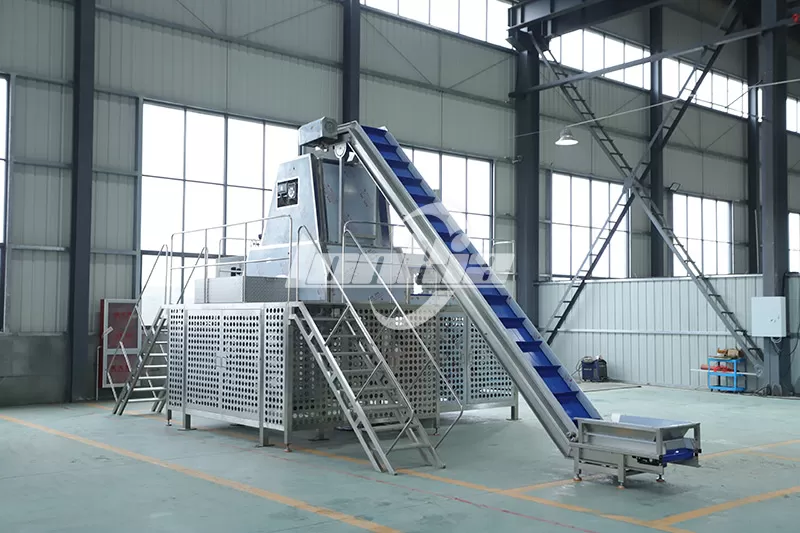
How Does a Steam Peeler for Potatoes Work?
The working process of a steam peeler typically includes the following steps:
Loading – Potatoes are fed into a pressure vessel.
Steam Treatment – High-pressure steam (usually 6–12 bar) is injected for a short time (10–30 seconds).
Rapid Pressure Release – The pressure is suddenly released, causing the potato skins to crack and separate.
Peeling Removal – Brushes or washing systems remove the loosened skins.
This process ensures minimal damage to the potato flesh and maximizes yield.
Key Features of the Best Steam Peeling Machines
When selecting a steam peeling machine for potatoes, several features determine performance and efficiency.
High Peeling Efficiency
Top machines can achieve peeling rates above 95%, ensuring clean and uniform results.
Low Raw Material Loss
Compared to abrasive peeling, steam peeling reduces waste significantly—often keeping loss below 8–10%.
Automatic Control System
Modern machines include PLC control systems that allow operators to:
adjust steam pressure
set peeling time
monitor system performance
Durable Stainless Steel Construction
Food-grade stainless steel ensures:
corrosion resistance
hygiene compliance
long service life
Energy Optimization
Advanced steam peelers are designed to reduce steam consumption, lowering operational costs over time.
Advantages of Steam Peeler for Potatoes
Using a steam peeling machine offers several important benefits:
Higher product yield compared to traditional peeling
Better surface quality for further processing
Reduced labor costs due to automation
Improved hygiene standards
Suitable for large-scale continuous production
These advantages make steam peeling the preferred choice for industrial potato processing.
Steam Peeling Machine Price Guide
The cost of a steam peeling machine varies depending on capacity, automation level, and configuration.
Small Capacity Steam Peeler
Capacity: 500–1000 kg/hour
Price: $15,000 – $40,000
Suitable for small processing plants
Medium Industrial Steam Peeler
Capacity: 1–5 tons/hour
Price: $40,000 – $120,000
Ideal for medium-sized factories
Large Automatic Steam Peeling System
Capacity: 5–20 tons/hour or more
Price: $120,000 – $300,000+
Used in fully automated production lines
Custom systems with integrated conveyors, washing units, and control systems may cost even more.
Factors That Affect Steam Peeler Price
Several factors influence the final price of a steam peeling machine:
Production Capacity
Higher capacity machines require larger pressure vessels and stronger systems.
Automation Level
Fully automated systems with PLC and remote monitoring cost more.
Steam System Configuration
Boilers, steam valves, and pressure systems significantly impact cost.
Material and Build Quality
High-grade stainless steel and premium components increase durability—and price.
Additional Equipment
Integrated lines with conveyors, peel washers, and sorting systems will increase total investment.
How to Choose the Best Steam Peeling Machine
When buying a steam peeler for potatoes, consider the following:
Match Capacity to Your Production Needs
Avoid under-sizing or over-investing—choose equipment that fits your throughput.
Focus on Yield and Waste Reduction
Higher yield means more profit over time.
Check Energy Consumption
Efficient machines reduce long-term operating costs.
Evaluate Supplier Support
Choose a manufacturer that offers:
installation guidance
technical training
spare parts availability
after-sales service
Steam Peeling vs Other Peeling Methods
| Method | Advantages | Disadvantages |
|---|---|---|
| Steam Peeling | High yield, low waste, uniform peeling | Higher initial investment |
| Abrasive Peeling | Lower cost, simple operation | Higher material loss |
| Knife Peeling | Precise control | Low efficiency, high labor cost |
For industrial potato processing, steam peeling is often the most cost-effective solution in the long run.
Conclusion
A steam peeling machine for potatoes is an essential piece of equipment for modern food processing plants. It offers superior peeling efficiency, reduced waste, and consistent product quality compared to traditional methods.
Although the initial investment may be higher, the long-term benefits—such as improved yield, lower labor costs, and better product quality—make it a smart choice for businesses aiming to scale production and remain competitive.